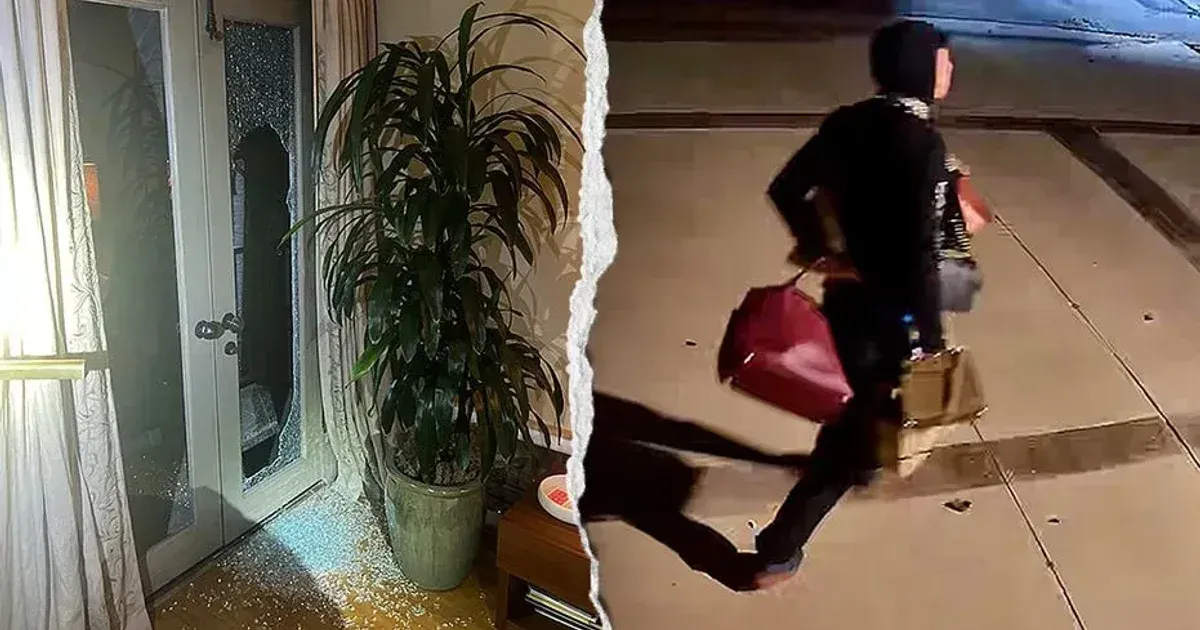
Law enforcement officials in Southern California announced felony charges against seven individuals linked to a sophisticated burglary ring. These crews, described by prosecutors as predatory and calculated, allegedly targeted affluent neighborhoods across Los Angeles County. Los Angeles County District Attorney Nathan Hochman detailed the cases on May 19, 2026, revealing that at least 20 residential break-ins in the San Fernando Valley are tied to the group. Investigators believe the suspects are part of organized South American theft groups that travel to the United States specifically to commit high-end robberies.
Criminals disguised as delivery workers reportedly used fake bags from DoorDash, Uber Eats, and Amazon to approach residences without alarming neighbors. These disguises allowed the crews to conduct visual inspections of security measures and home layouts in broad daylight. Prosecutors claim the suspects also deployed advanced technology, including Wi-Fi jamming devices designed to disable cloud-connected cameras and alarm systems. By neutralizing digital defenses, the groups could enter properties undetected even when homeowners were away.
Delivery Disguises and Signal Jammers
Organized burglary crews targeted families in the places they expected to feel safest, according to investigators. District Attorney Hochman said prosecutors would pursue organized crews that target local neighborhoods. Victims often reported feeling unsafe inside their own homes after discovering the level of planning involved in the break-ins. Some residents only realized their homes had been breached after returning from short errands or work shifts to find jewelry, safes, and electronics missing.
Fake delivery activity provided a plausible excuse for strangers to linger on front porches or drive slowly through residential streets. One suspect, Byron Gonzalo Saez Sotomayor, who also used the alias Kevin Diaz, is accused of leading several of these coordinated efforts. Sotomayor and his associates allegedly focused on homes that appeared vulnerable or unoccupied based on specific indicators. This high-tech approach allows crews to enter properties without triggering immediate alarms or alerting monitoring centers.
Homeowners in wealthier neighborhoods have been particularly exposed as crews look for high-value homes with predictable routines. While traditional burglars might look for unlocked doors, these groups use sophisticated tools to bypass high-end deadbolts and electronic locks. The arrests, however, only address one segment of a much larger regional problem involving international theft networks.
High-Tech Surveillance and Social Media Tracking
Camouflaged cameras hidden within landscaping decorations allowed the crews to monitor household routines for days before striking. Los Angeles County Sheriff Robert Luna warned that the surveillance often extended into the digital sphere. Criminals frequently monitored the social media accounts of potential victims to identify when families were traveling or when they had purchased expensive luxury goods. Surveillance tactics moved from the bushes to the smartphone screen as crews improved their timing for maximum profit.
"Please, whatever you do, don't tell the world you're in Paris when you live in LA," Sheriff Robert Luna said.
Using fake Amazon or DoorDash bags is only the first layer of the deception. Some crews reportedly used landscaping lights that were actually small recording devices powered by solar panels. These hidden tools provided a live feed of resident movements directly to the suspects' phones. This specific case involving Sotomayor highlights the international dimensions of the crime spree as investigators look for ties to broader South American networks.
Many crews conduct extensive surveillance before burglaries, often monitoring victims' social media posts for vacation photos that indicate homes may be empty. The use of Wi-Fi jammers is a particularly troubling development for law enforcement because it renders common DIY security systems useless. If a camera cannot connect to the internet, it cannot send a notification to the homeowner or record footage to the cloud. Security experts suggest that wired systems are more resilient against such interference.
The Pursuit of Legal Accountability
Prosecutors have filed felony charges against the seven suspects, including counts of residential burglary and conspiracy. The district attorney emphasized the predatory nature of the crimes during a news conference held on Tuesday. Victims have expressed a deep sense of violation, noting that the burglars took items with deep sentimental value. Law enforcement agencies are now coordinating to determine if these suspects are linked to similar strings of robberies in neighboring counties.
Affected neighborhoods now face professional crews that treat residential burglary like a repeatable operation. Individual crews often rotate members to avoid recognition by local patrol officers. The scale of the thefts has prompted an inter-agency response involving local police and federal partners. Officials are now examining whether these specific crews have links to similar burglary patterns reported in other high-income enclaves across the West Coast.
The Los Angeles Case Tests an International Theft Pipeline
The prosecution will test whether local agencies can turn a complex theft investigation into durable accountability. Traditional burglary charges can miss the organizational depth of crews that move across jurisdictions, share surveillance methods and target similar neighborhoods. Local judges face pressure to impose substantial bail amounts, as these suspects are frequently identified as high flight risks with limited ties to the United States. If the suspects are convicted, sentencing will likely turn on how prosecutors prove coordination, losses and harm to residents across the San Fernando Valley.
Jurisdictional cooperation will be the deciding factor in whether these arrests lead to a long-term reduction in crime. Law enforcement must treat these incidents as part of an international criminal pipeline rather than isolated property crimes. Increased scrutiny of the methods used to enter the country and move stolen assets will be necessary to dismantle the infrastructure supporting these crews. The crackdown is also a message that Los Angeles agencies are treating high-tech residential burglary as an organized-crime problem, not a series of isolated break-ins. Prosecutors will also need to show how the alleged theft crew moved vehicles, jewelry and cash across county lines without losing the chain of evidence.