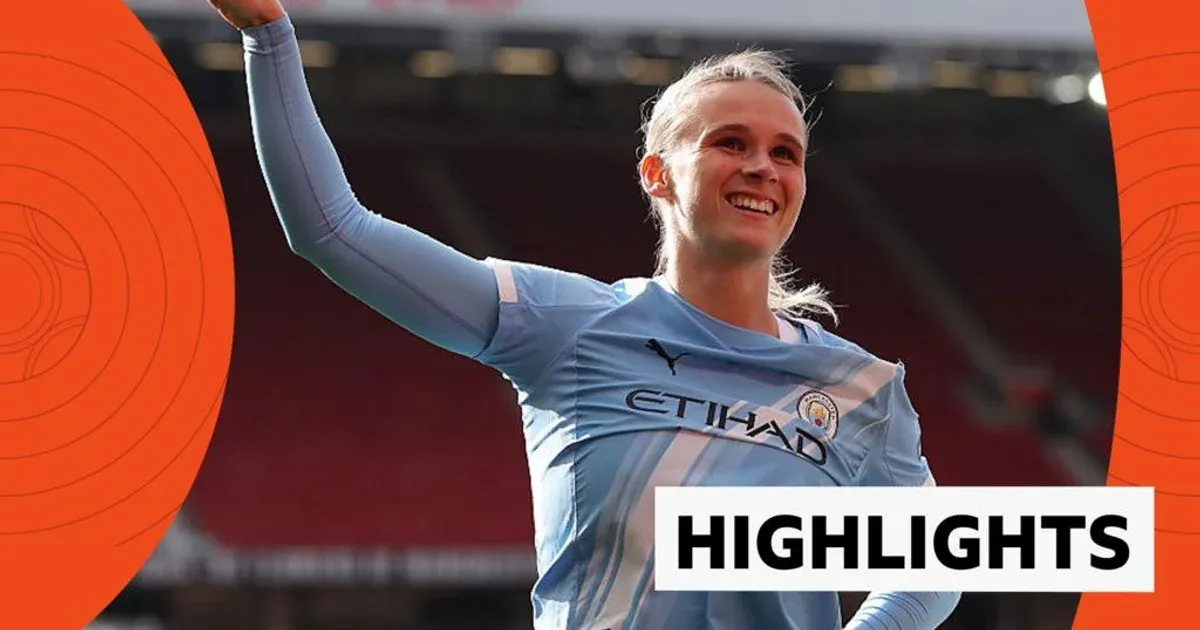
Manchester City made the derby feel less like a rivalry day and more like a title checkpoint. At Old Trafford on March 28, 2026, City beat Manchester United 3-0 in the Women's Super League, with Vivianne Miedema scoring twice in quick succession before Kerstin Casparij added the third early in the second half.
The result pushed City closer to their first WSL title in a decade and left United with a harsher question than one bad scoreline. This was not a match stolen by finishing. City controlled the territory, reached dangerous areas more easily and made United defend the parts of the pitch where the visitors were strongest.
Miedema's two first-half headers gave the match its shape. The first punished United's marking and timing. The second arrived almost immediately, turning early pressure into a lead that changed the emotional temperature of the stadium. United needed the derby to become frantic. City made it orderly.
Miedema Turned City's Control Into Damage
Miedema's value was not only that she scored. It was how little waste there was in her movement. She found the space before United could reset, attacked deliveries with clean timing and gave City the kind of striker presence that converts territorial dominance into scoreboard authority.
That matters in a derby because control without goals can still invite noise. A home crowd can drag an under-pressure side back into the game if the favorite lets chances pass. Miedema prevented that. Her double in two minutes forced United to chase the match before they had established any sustained rhythm of their own.
City could have made the margin heavier. Lauren Hemp hit the bar, and Rebecca Knaak had a goal disallowed in a first half where United's defensive line was repeatedly opened. That detail matters because it corrects the reading of the match: United were not denied a route back through Knaak. City were denied another sign of their superiority.
United Were Beaten Before The Final Actions
For Manchester United, the defeat was damaging because the gaps appeared before the shots. City won first contacts, moved faster after turnovers and found service into areas United could not protect consistently. Those details rarely dominate highlights, but they decide derby matches.
United improved in spells after the break, but by then City had already turned the match into a management exercise. Casparij's goal early in the second half removed any remaining sense that the home side could turn pressure into a comeback. It also underlined City's balance: the goals did not come from one isolated route, but from wide pressure, set-piece threat and penalty-area timing.
The European qualification race made the result more costly for United. Dropping points against elite opposition can be survivable. Being outcontrolled at home is harder to dismiss. The derby did not end United's ambitions, but it exposed how far they still have to travel against the league's strongest sides.
City Looked Like A Team Ready To Finish The Job
Title races are not decided only by arithmetic. They are also decided by whether a team can carry authority into high-pressure settings. City did that at Old Trafford. The venue, the rival and the stakes all invited chaos, yet City kept the match in the zones they wanted.
That is the strongest part of the performance. City did not merely beat United; they made a derby look repeatable. They built through midfield, attacked wide spaces, protected transitions and had enough penalty-area quality to finish the work. That combination is why the win felt like more than three points.
United's problem is that the defeat leaves tactical questions, not just bruised pride. Why did the midfield lose control so quickly? Why did the marking fail when City's delivery points were obvious? Why did the home side need so long to create meaningful pressure?
Miedema's double will headline the derby, and rightly so. But the harder message came from City's collective control. In the closing weeks of a title race, that is the currency that matters. City looked like a side reducing uncertainty. United looked like a side still explaining it.