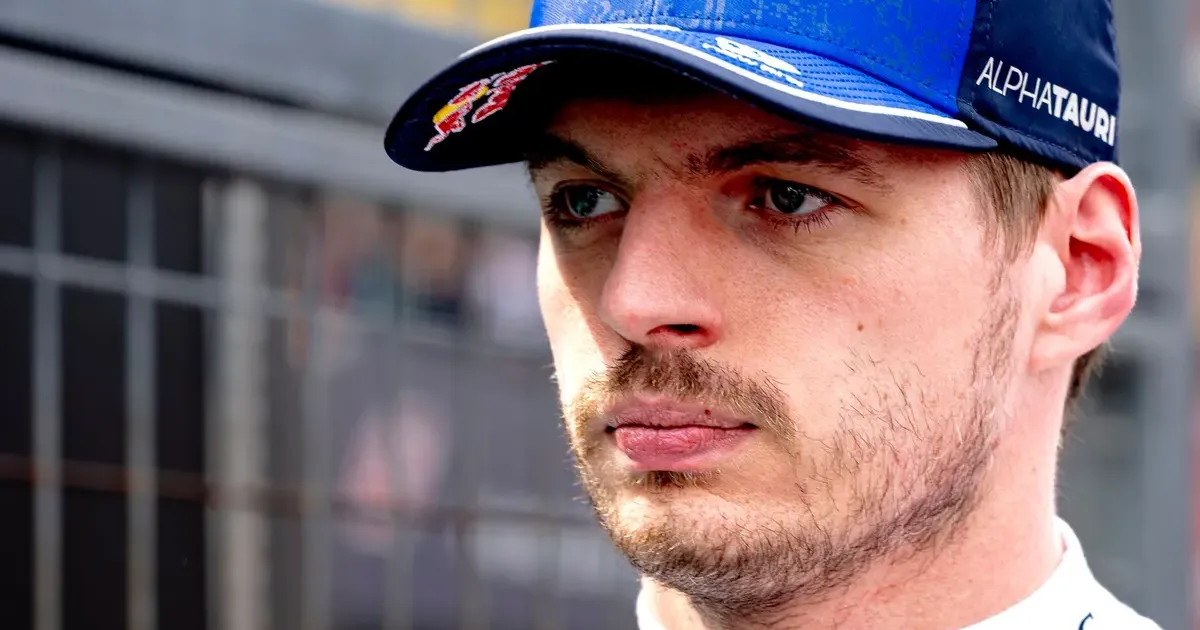
Max Verstappen's retirement comments after the 2026 Japanese Grand Prix gave Formula 1 a problem larger than one angry post-race interview. The Red Bull driver finished eighth at Suzuka, slipped into an early-season chase, and then made clear that the result was only part of the frustration. The deeper issue was enjoyment. He sounded less like a champion demanding a faster car and more like a driver asking whether the sport still gives enough back.
The distinction is important. Verstappen has complained before, and F1 is used to elite drivers using public pressure to shape rules, team decisions and political negotiations. This moment landed differently because the complaint was aimed at the feel of the 2026 product itself. New power-unit behavior, heavier energy deployment management and active aerodynamic demands have made the cockpit more complex. Supporters call that modern efficiency. Verstappen hears a sport moving away from instinct.
The Complaint Is About Feel, Not Just Form
Red Bull's poor start made the story louder, but it did not create the whole story. Verstappen's point was not simply that Mercedes, Ferrari or McLaren had started better. His central objection was that the new cars ask drivers to ration, recover and deploy energy in ways that can make a lap feel managed rather than attacked. In that setting, a disappointing finish becomes evidence for a wider claim: the driver is still important, but the sporting sensation has changed.
F1 cannot easily dismiss the issue. Verstappen's reputation was built on car control, commitment and lap time under pressure. If a driver with that profile says the machinery feels less rewarding, the sport cannot answer only with engineering language. Fans may enjoy closer racing and new technology, but they also want to believe the best driver still wins by driving, not by negotiating a software-heavy energy plan better than everyone else.
A Short Quote Carries The Whole Risk
He said he was "not enjoying the sport" after Suzuka.
The quote is short, but it is commercially dangerous. F1 can absorb complaints about balance, tire degradation, team strategy or a bad upgrade package. It is more difficult to absorb the idea that its defining driver no longer enjoys the job. A driver under contract through 2028 can still destabilize a team if he sounds emotionally detached in March.
Red Bull also has a practical problem. The team has built years of technical feedback, race execution and sponsor identity around Verstappen. If his future becomes uncertain, every other planning question gets more expensive. Driver-market timing changes. Engineers wonder whether development direction still fits the same reference point. Rivals start calculating whether a Verstappen exit, sabbatical or transfer could reopen the competitive order.
Damon Hill's Sabbatical Point Was Not Random
Damon Hill's suggestion that Verstappen might need time away from F1 sounded dramatic, but it fit the human side of the story. Verstappen entered the championship as a teenager, became its dominant force and has carried title-level attention through a period when the calendar expanded and the media machine grew heavier. A 24-race season leaves little room for irritation to cool down privately.
A sabbatical would not need to become permanent to shake the paddock. Even the possibility would change Red Bull's leverage, sponsor confidence and technical planning. It would also give other teams a different kind of hope. They may not need to beat Verstappen on track every weekend if the sport itself is pushing him toward the exit.
The Calendar Makes The Car Debate Worse
The regulation argument and the schedule argument feed each other. If the car is thrilling, the travel burden can feel like the price of elite competition. If the car feels procedural, the same calendar starts to look like a grind. Verstappen's comments therefore cut beyond Red Bull's garage. They question whether F1's growth model is asking drivers to do more public labor while giving them less sporting pleasure.
Liberty Media's version of F1 has been extremely effective at expanding the audience, adding markets and turning race weekends into global entertainment products. But a bigger show is not automatically a better championship. If the cockpit experience becomes too compromised, the sport risks building a premium spectacle around drivers who sound increasingly detached from the act of racing.
F1 Cannot Treat Its Champion As Replaceable Content
Verstappen may stay, win again, and later describe the retirement talk as a pressure tactic from a miserable start to the year. That is possible. It is also possible that his comments helped force technical adjustments, as driver concern around the 2026 rules grew after the opening races. But the warning has already done its work. It exposed how fragile F1's balance has become between technology, entertainment, workload and sporting feel.
The issue is not that Verstappen is bigger than Formula 1. He is not. The issue is that when the sport's most important driver questions whether the product is still worth the life it demands, F1 has to hear more than a champion sulking after eighth place. It has to ask whether its new era is making racing more marketable while making the act of racing less satisfying.