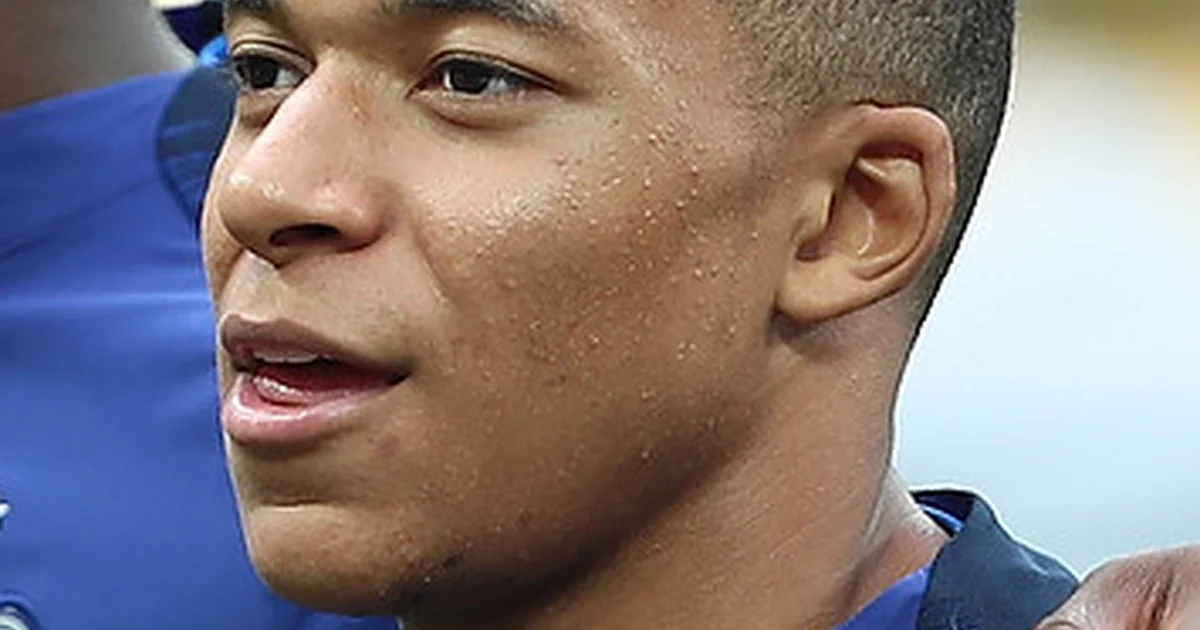
France opened its Group I campaign with a 3-1 win over Senegal, but the result quickly became a record night for Kylian Mbappé. The record mattered because it arrived inside a tournament that France is expected to control. Deschamps still had to manage the minutes, the substitutions and the pressure that follows an early group favorite. Senegal also forced France to defend transitions before the match settled into its final shape. The match was played on June 16, 2026, at MetLife Stadium. The forward scored in the 66th minute and again in stoppage time, turning a tense opener at MetLife Stadium into a statement win for Didier Deschamps' side. Bradley Barcola added France's second goal after coming off the bench, while Senegal briefly cut the margin late in the match. By the final whistle, the most important number was Mbappé's new international total: 58 France goals.
The brace moved Mbappé past Olivier Giroud as the leading scorer in the history of the French men's national team. Giroud's record had stood at 57 goals, built across 137 appearances and a long run as the focal point of France's attack. Mbappé reached the mark at 27, and reports from the match listed his new total at 58 in 99 appearances. The speed of that climb matters because France is no longer treating him as only an explosive match-winner; he is now the statistical center of the national team's modern era.
Senegal made that milestone harder than the scoreline suggests. Nicolas Jackson struck the post before halftime, and Ismaila Sarr sent another chance over the bar as France struggled to connect its attacking pieces. The first half exposed loose spacing between Mbappé, Ousmane Dembélé and Michael Olise, leaving France with possession but little rhythm. Senegal's compact midfield forced hurried decisions and gave the African side enough counters to make the opener uncomfortable.
That changed after halftime on June 16, 2026, when France adjusted the angles around Olise and pushed Senegal deeper. Mbappé's first goal came when he accelerated beyond Kalidou Koulibaly, took Olise's pass and slid a finish past Édouard Mendy. Barcola then scored almost immediately after entering, giving France control before Senegal's late response restored tension. Mbappé ended it with the final strike, a goal that turned a difficult opening hour into a clean tournament launch.
France Record Belongs to Mbappé
Passing Giroud also resets the hierarchy of French attacking history. Thierry Henry, Michel Platini and Giroud all defined different versions of France's forward line, but Mbappé has built his case through a rare combination of tournament production and week-to-week captaincy pressure. He is not simply accumulating goals in qualifiers or friendlies. His biggest numbers are arriving in matches that shape World Cup campaigns.
The timing gives the record more weight. France entered this tournament with expectations of another deep run, and a slow opener would have invited questions about whether the squad's attacking balance had become too crowded. Instead, Mbappé gave the team a familiar route out of trouble. When the passing patterns were poor, his pace changed the game. When Senegal tried to compress the final third, his finishing settled it.
His World Cup numbers moved at the same time. Mbappé now has 14 World Cup goals, level with Gerd Müller and one behind Ronaldo Nazário. Miroslav Klose's all-time record of 16 is suddenly within reach, and the group stage gives Mbappé more opportunities before the knockout rounds raise the stakes. That chase will not be the only story around France, but it will follow every match he plays from here.
Senegal Exposes Early French Friction
France should still treat the win as a warning. Senegal's first-half pressure showed that the defending European power can be disrupted when its midfield support arrives late and the front three try to solve everything through individual movement. Deschamps will welcome the final score, but the opening 45 minutes gave future opponents a practical scouting note: France can be forced into disconnected possessions if Mbappé is isolated from the first pass.
Senegal's own performance should not disappear beneath the record. The side competed physically, created the clearer chances before halftime and kept enough belief to make the final minutes matter. A 3-1 defeat leaves no points, yet the performance suggests Senegal can still influence Group I if it carries that intensity into the next fixtures. The problem was efficiency. France had Mbappé when the match opened up; Senegal did not have the same finisher when its best chances arrived.
Group I Pressure Now Shifts
France's win immediately changes the pressure on Norway and Iraq, the other teams in the section. Three points and a positive goal difference allow Deschamps to manage the next match from a stronger position, especially if he wants to adjust minutes around Barcola or other attacking options. The result also gives France breathing room in a group where one bad night could complicate the path to the knockout rounds.
Mbappé's record will dominate the reaction, but France's staff will care just as much about the split between the two halves. The first half showed a team still searching for clean chemistry. The second half showed why that search may not need to be perfect when the captain can decide a game by himself. France leaves New Jersey with a win, a new national scoring leader and enough unresolved details to keep training sharp.
What This Record Changes
The record moves Mbappé from heir to reference point. France no longer has to frame his place through comparisons to Giroud or Henry because the men's scoring table now runs through him. That status will increase scrutiny, not reduce it. Every missed chance will be measured against a record holder's standard, and every tactical decision will be judged by whether it gets the best version of Mbappé into scoring zones.
For France, that is still a useful pressure. A tournament favorite needs a clear attacking identity, and Mbappé provides one. The challenge is making sure the rest of the side does not become passive while waiting for him to rescue difficult spells. If Deschamps can turn the second-half structure into a repeatable pattern, this record night may become more than a personal milestone. It may become the opening signal of another serious French run.