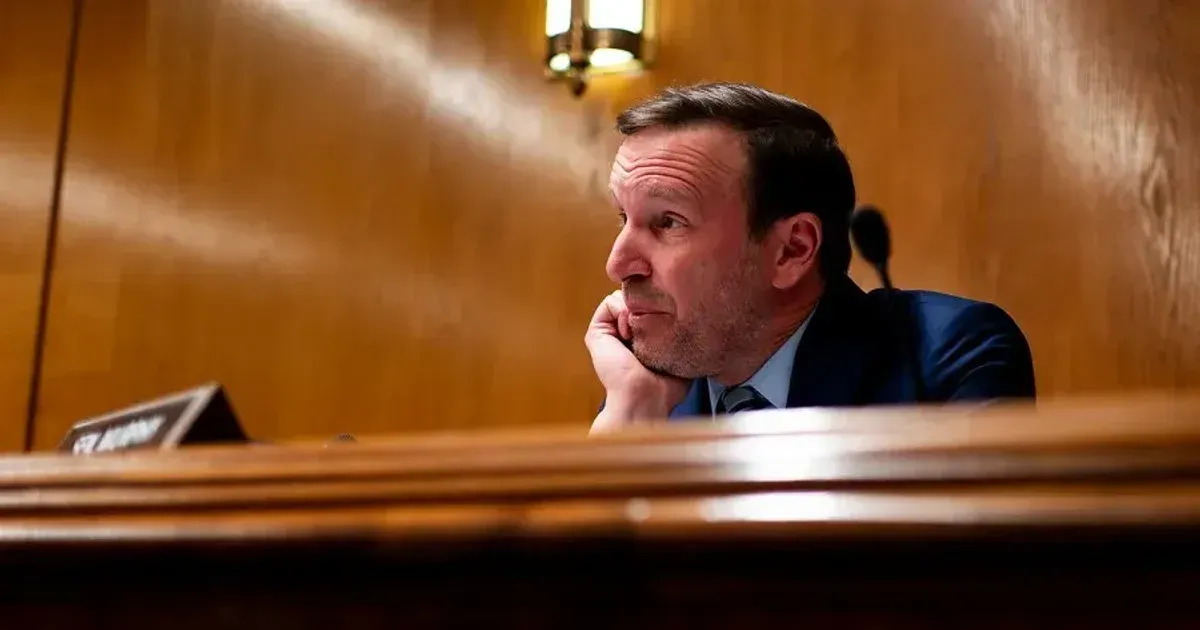
Murphy's vow to dismantle media information oligarchs put ownership concentration and platform power at the center of a broader democratic argument. The phrase was deliberately confrontational. It framed a handful of media and technology actors not simply as businesses, but as gatekeepers with the power to shape what voters see, trust and ignore.
Across the campaign debate, the remarks drew attention on March 27, 2026, because concern about media concentration now crosses several political lanes. Some critics focus on billionaire ownership of news outlets. Others focus on social platforms, search distribution, advertising markets or the way algorithms reward outrage. Murphy tried to gather those concerns under one banner.
Media information oligarchs is not a neutral phrase. It is campaign language meant to identify an enemy and promise structural action. That makes it politically potent, but it also raises the question of what dismantling would actually mean in law.
What Dismantling Could Mean
The most concrete route would be antitrust enforcement. Regulators could challenge mergers, examine platform self-preferencing, scrutinize advertising dominance or force divestitures if courts agree that competition has been harmed. That path is slow and evidence-heavy.
Another route is transparency. Lawmakers could require clearer disclosures about ownership, algorithmic ranking, political ad targeting and content moderation. Transparency does not break up companies, but it can reduce the hidden power of distribution systems.
Public-interest rules are a third option. Governments can support local journalism, limit cross-ownership or create bargaining frameworks between platforms and publishers. Those policies may help pluralism, but they can also trigger fights over state influence on media.
The Free Speech Problem
Any campaign against concentrated media power runs into a constitutional and cultural problem: governments should not decide which voices are too influential simply because officials dislike them. That is especially sensitive when political leaders attack media owners or platforms that criticize them.
Free speech protections do not prevent antitrust law, but they do require precision. A policy aimed at market structure is different from a policy aimed at punishing editorial viewpoint. Murphy's proposal will be judged partly on whether it can keep that line clear.
The same issue applies to algorithms. Requiring platforms to explain ranking systems may be defensible. Ordering them to elevate favored political content would be far more dangerous. The details are not secondary; they are the policy.
Why the Message Resonates
Voters often experience the information system as chaotic and rigged at the same time. Local news has weakened, national outlets are polarized, and social feeds can make rumor travel faster than correction. That creates demand for someone to blame.
The oligarch language speaks to that frustration. It suggests that democracy is not only threatened by false information, but by the concentration of the pipes through which information flows. That argument can appeal to people who distrust both corporate media and technology platforms.
The risk is oversimplification. Media power is real, but the information crisis also includes audience behavior, partisan incentives, foreign influence, collapsing local revenue and the economics of digital advertising. Breaking up one company would not solve all of that.
Reform Must Target Concentration Without Becoming Censorship
Murphy's pledge is useful as a campaign marker because it separates him from politicians who talk about misinformation only after a crisis. It offers a structural target. The harder test is whether the proposal becomes a serious regulatory agenda or remains a slogan.
If he wants the argument to last, Murphy will need to define which companies or ownership patterns he means, which legal tools he would use and how he would protect editorial independence while reducing concentration. Without those details, the phrase will energize supporters but leave courts and regulators with little to apply.
The strongest version of the idea is not government control of speech. It is a more competitive information system in which no small group can dominate distribution, advertising and political attention at once. That goal is defensible. Getting there without damaging press freedom is the real test.
A serious agenda would also have to distinguish between different kinds of concentration. A family-owned newspaper chain, a search engine, a social video platform and a political cable network do not exercise power in the same way. Each may require a different tool. Antitrust law can address market dominance, but it cannot rebuild local reporting by itself. Transparency rules can expose ranking systems, but they cannot make citizens trust institutions they already reject. Platform accountability is therefore only one part of the problem. Murphy's rhetoric is effective because it names a real anxiety. Its durability will depend on whether he can turn that anxiety into policies precise enough to survive courts, elections and the inevitable accusation that reform is censorship.
The speech also reflects a larger shift in how politicians talk about information. The old debate focused on biased newspapers or hostile television channels. The newer debate includes recommendation systems, ad exchanges, influencer networks and data brokers that most voters never see directly. Any credible reform has to account for that hidden infrastructure. Otherwise, the loudest targets will absorb the blame while quieter centers of power remain untouched.
The same is true for local journalism. Any reform that attacks national platforms while leaving local news deserts untouched will miss a major part of the democratic problem. Concentrated distribution matters, but so does the disappearance of reporters who once covered councils, courts and school boards.
Murphy's challenge is to keep the critique from becoming a license for political control. Concentrated information power can damage democracy, but state retaliation against disfavored media can damage it too. The policy line has to be drawn around competition, transparency and accountability rather than ideological loyalty. That is the only way the argument can survive outside a rally speech.
A reform agenda that can hold those tensions together would be more than anti-oligarch rhetoric. It would be a serious test of whether democratic information markets can be made more open without becoming state-managed.
That distinction will decide whether the pledge matures into policy or remains a campaign line.