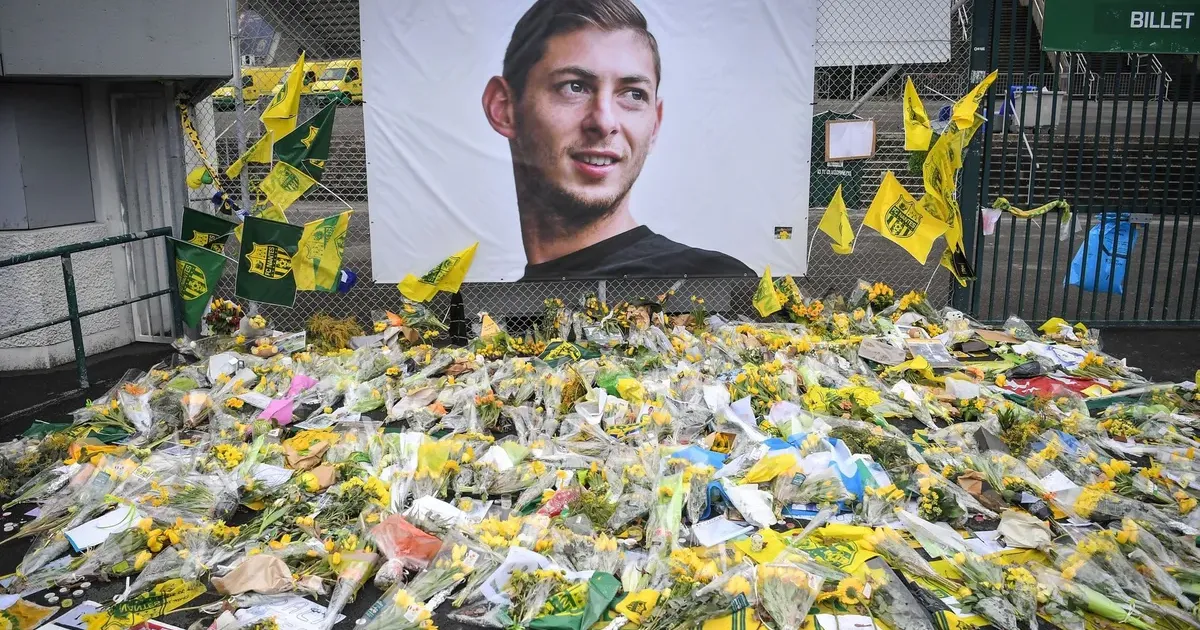
The Emiliano Sala case remains a football tragedy before it is a legal file. The latest French ruling carries weight without needing exaggeration. The Nantes commercial court rejected Cardiff City's compensation claim against FC Nantes over Sala's death, closing a major route for the Welsh club to seek damages tied to the 2019 plane crash.
Cardiff had sought about EUR122.2 million, arguing that Sala's death damaged its sporting and financial position. The court rejected that claim and ordered Cardiff to pay Nantes EUR480,000: EUR300,000 for moral damage and EUR180,000 in legal costs.
The Ruling Separated Grief From Liability
Sala died while travelling from France to Wales after his transfer from Nantes to Cardiff. The aircraft crashed near Guernsey, killing Sala and pilot David Ibbotson. The human loss sits at the center of the case no matter how many courts have handled the money dispute.
The French ruling did not erase that grief. It separated it from the commercial argument Cardiff tried to make against Nantes. The court's task was not to measure sorrow. It was to decide whether Nantes bore legal responsibility for the losses Cardiff claimed.
Cardiff's Sporting-Damage Theory Was Difficult
Cardiff argued that losing Sala harmed the club's Premier League survival chances, revenues and broader financial position. That theory had emotional force for supporters because Sala had been signed to fill an obvious need.
Legally, it was harder. Football outcomes are not clean commercial calculations. A striker might score the goals that keep a club up. He might also struggle, get injured or join a team whose problems run deeper than finishing. Courts are cautious about turning an imagined league table into a nine-figure award.
Nantes Was Not Held Responsible For The Flight
Cardiff also tried to connect Nantes to the flight through the role of intermediaries around the transfer. The court was not persuaded. Reports of the ruling said the Nantes tribunal found the French club had not committed wrongdoing in the transfer operation or in relation to the flight.
The distinction matters because earlier criminal and safety scrutiny focused on the organization and operation of the flight, including the qualifications of those involved. It did not create a simple liability line back to the selling club.
The Transfer Fee Fight Had Already Moved Elsewhere
The compensation case sat on top of an older dispute over whether Cardiff owed Nantes the transfer fee. FIFA and the Court of Arbitration for Sport had already sided with Nantes on the transfer obligation, and Cardiff has been ordered to pay the fee in stages.
The French court ruling did something different. It rejected Cardiff's attempt to recover a much larger damages award from Nantes. The decision narrows the legal path left to Cardiff and strengthens Nantes' position after years of litigation.
The case will be read closely because modern transfers involve agents, intermediaries, travel plans, insurance assumptions, medicals, registration documents and public announcements. When something goes wrong, every participant looks back at the paperwork.
The Sala tragedy showed how dangerous informal arrangements can become when a high-value player is moving quickly between countries. Clubs are likely to document travel responsibility more carefully, especially between agreement and safe arrival.
The Legal Answer Was Cold But Clear
Cardiff's legal strategy could not convert a sporting tragedy into a massive recovery from Nantes. That may feel brutal to supporters who still connect Sala's death with the club's collapse that season.
But the court's job was not to replay the Premier League table with a missing striker added back in. It was to decide liability. On that question, Nantes prevailed, and football received another cold reminder that grief, money and legal responsibility do not always point in the same direction.