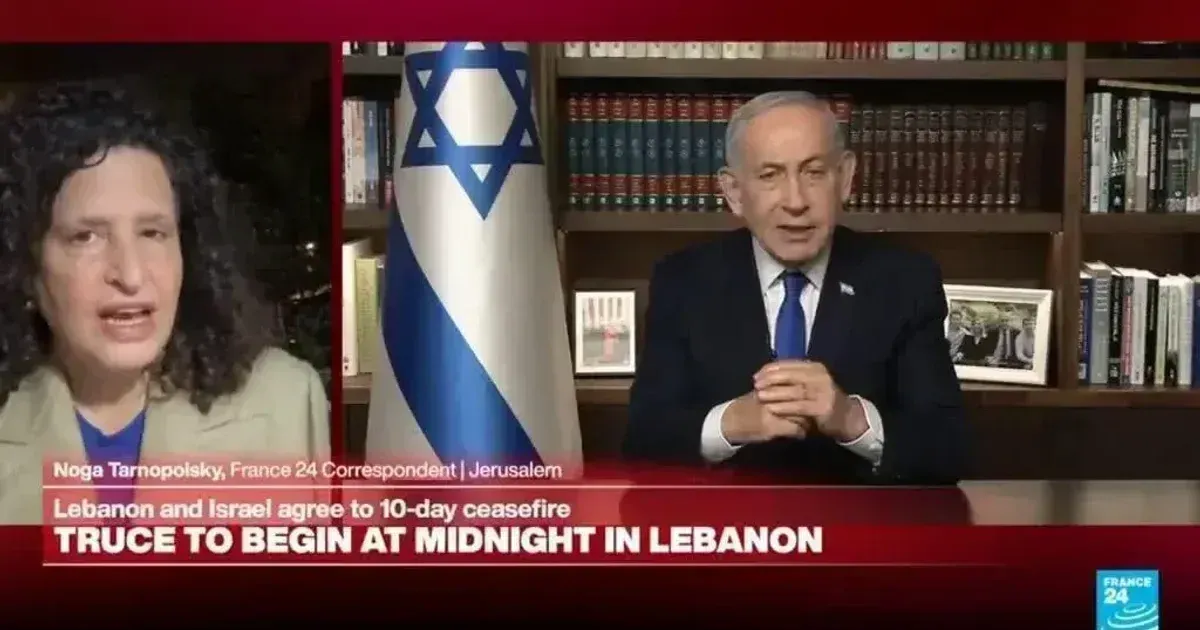
Benjamin Netanyahu ordered the Israeli military to widen its offensive against Hezbollah positions deeper inside Lebanese territory. The pledge signals that Israel is preparing for a longer pressure campaign along the northern front. It also narrows the space for mediators trying to keep Lebanon from becoming the main battlefield. The Israeli Prime Minister confirmed the shift on May 25, 2026, during a high-level briefing with security cabinet members. This escalation follows months of cross-border skirmishes that have displaced tens of thousands of residents on both sides of the frontier. Netanyahu stated that current military pressure was insufficient to restore security.
Israeli military units hit targets in eastern Lebanon shortly after the announcement.
Defense officials described the targets as logistics hubs and weapons storage facilities. These sites, located far from the southern border, serve as critical nodes for long-range missile capabilities. Israel Defense Forces commanders indicated that the strikes were part of a broader strategy to degrade the group's infrastructure. Precision munitions were used to minimize collateral damage in the mountainous terrain.
Benjamin Netanyahu insisted that increased military pressure remains the necessary path to forcing a withdrawal of militant forces. Netanyahu said restraint was no longer viable. He told a gathering of military leaders that the objective is the safe return of northern residents to their homes.
"We will continue to strike Hezbollah with a force they have not yet felt," Netanyahu said during a televised address from the Kirya military headquarters in Tel Aviv.
Israeli aircraft penetrated deep into the Bekaa Valley to execute these latest orders. The Bekaa Valley is a known stronghold and logistical artery for the organization. Local reports from Lebanon indicated that several infrastructure points were hit during the morning hours. Plumes of smoke were visible from the outskirts of Baalbek as the sorties concluded.
Security analysts suggest that striking eastern Lebanon is intended to sever the land bridge between Syria and Beirut. This route allows the flow of military components to assembly factories. Severing these lines could sharply delay the replenishment of rocket stockpiles. Intelligence officials monitored the movement of heavy transport vehicles in the region for several days prior to the engagement.
Expanding the combat zone increases the risk of a regional conflict involving multiple state actors.
Government officials in Jerusalem supported the Prime Minister's stance, noting that the military is prepared for all scenarios. The cabinet faces intense domestic pressure to address the persistent threat from the north. Some ministers have called for a ground incursion if the air campaign fails to achieve its strategic goals. Defense Minister Yoav Gallant briefed the cabinet on the readiness of ground forces stationed near the Blue Line.
Bekaa Valley Operations and Logistic Disruption
International diplomats remain focused on United Nations Security Council Resolution 1701. The resolution, adopted in 2006, calls for the disarmament of all armed groups in Lebanon and the withdrawal of Hezbollah forces from the border region. Western diplomats have spent months attempting to broker a deal that honors these terms. However, the lack of progress on the ground has led to the current spike in kinetic activity.
Tunnel networks and rocket stockpiles discovered near the frontier serve as evidence of ongoing violations according to Israeli diplomats. They argue that the resolution has never been fully implemented by the Lebanese government or the international peacekeeping forces. Tensions have reached a level where diplomatic solutions appear increasingly distant. Intelligence reports suggest that the militant group has integrated its weaponry into civilian infrastructure throughout the valley.
Israeli Air Force pilots have increased their sorties over Lebanon to levels not seen in years. Maintenance crews at northern airbases are working around the clock to sustain the high tempo of operations. The frequency of flights suggests a sustained campaign rather than a one-off retaliatory strike. Radar activity in the region confirms that dozens of aircraft are involved in the current wave of missions.
Diplomatic Deadlock and Resolution 1701
Militant units responded to the incursions by launching their own drone and rocket barrages toward the Galilee. The militant group maintains that its actions are linked to the ongoing situation in the Gaza Strip. Most of these projectiles were intercepted by the Iron Dome system or landed in uninhabited areas. Shrapnel from the interceptions caused minor property damage in several border communities.
Residents in the region are fleeing further north as the sound of explosions nears major population centers. Local authorities in Lebanon reported that the strikes on May 25, 2026, damaged non-residential buildings. Many families have sought refuge in schools and public buildings in Beirut. The Lebanese Red Cross has mobilized teams to provide emergency assistance to those displaced by the widening conflict.
Officials have not provided a specific timeline for how long this intensified phase will last. The Prime Minister's office indicated that the duration of the campaign depends on the achievement of specific military milestones. These milestones include the destruction of key command centers and the neutralization of long-range launch sites. Defense analysts at the Institute for National Security Studies suggest that Netanyahu is attempting to establish a new security reality. By striking the Bekaa Valley, Israel is signaling that no part of Lebanon is immune from retaliation.
Caretaker government leaders in Lebanon have condemned the attacks as a violation of national sovereignty. Prime Minister Najib Mikati called for an emergency session of the UN Security Council to address the escalation.