The New York Times puzzle suite keeps its daily audience by making small wins feel repeatable. The habit matters because puzzle pages create repeat visits without requiring a full news session. A reader can spend five minutes with Wordle, Strands or Pips and still feel a clear sense of progress.
On March 29, 2026, players moved through the same mix of routine, hint hunting and social comparison that has turned short games into a durable media habit. Wordle supplied the familiar elimination ritual. Strands added a themed word-search layer. Pips shifted the work toward domino-style logic.
The business value is obvious, but the design value is the real reason the loop holds. Each game asks for enough attention to feel satisfying without demanding the emotional weight of a major story.
Wordle Remains the Anchor
Wordle still offers the clearest daily ritual: one five-letter answer, six attempts and a shareable result. The pressure comes from choosing guesses that test vowels, consonant placement and possible double letters without wasting a turn.
That structure is simple enough for casual players but still demanding for streak chasers. The game rewards calm elimination more than speed, which is why it keeps traveling outside the app through screenshots, group chats and morning routines.
The best daily puzzle gives the player a small decision that feels bigger than it is.
That is Wordle's lasting trick. It turns a few letters into a controlled daily risk, then lets the player leave with either relief, irritation or a reason to try again tomorrow.
Strands and Pips Broaden the Habit
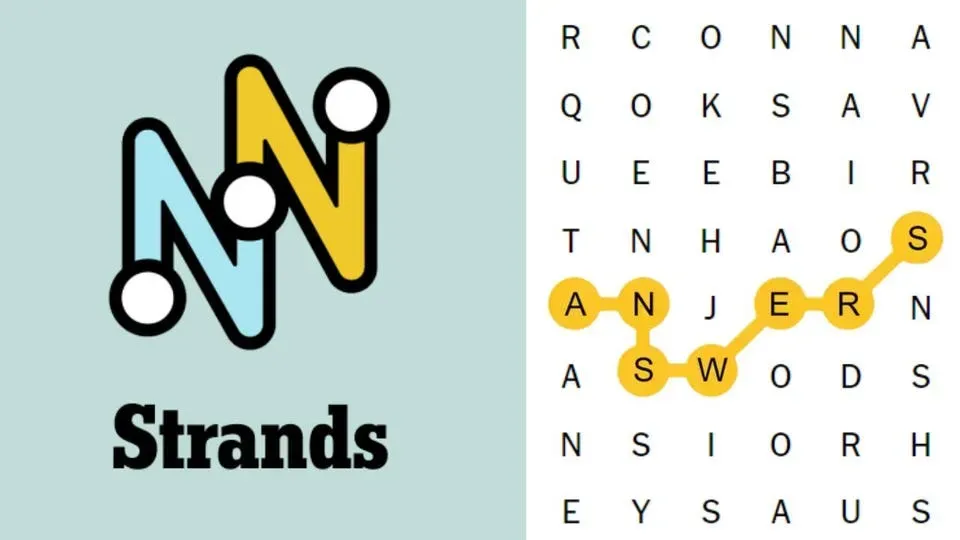
Strands asks for a different kind of attention. Instead of narrowing one answer, players scan a letter grid for words tied to a theme. The March 29 Strands puzzle used the clue "A bit peckish," with answers tied to bird food rather than human snacks.
The Spangram is the crucial turn in that format. Finding it can reveal the puzzle's structure and make the remaining words easier to see. Missing it leaves players wandering through the grid without a map.
Pips gives the portfolio another rhythm by moving from language to visual logic. Its domino-style boards ask players to place numbers inside zones with specific conditions. That makes the suite feel broader than a cluster of word games alone.
The Habit Is Commercial, but It Has to Stay Fair
The larger business point is that these games create a daily reason to open a New York Times product even when a reader is not starting with the front page. The engagement is brief, but it is consistent. For a subscription publisher, that kind of repeat visit has real value.
The risk is inflating the games into more than they are. They are not substitutes for journalism, and a streak is not a measure of civic engagement. Their importance is practical: they create a low-friction habit loop that many readers treat as part of the morning.
The hard read is that the Times' advantage is not one spectacular game. It is a ladder of small, well-edited constraints that lets a player stop after five minutes or stay longer without feeling pushed. That balance is difficult to copy because it depends on editing discipline as much as interface design. A fair hard day strengthens the habit. A sloppy hard day breaks it.