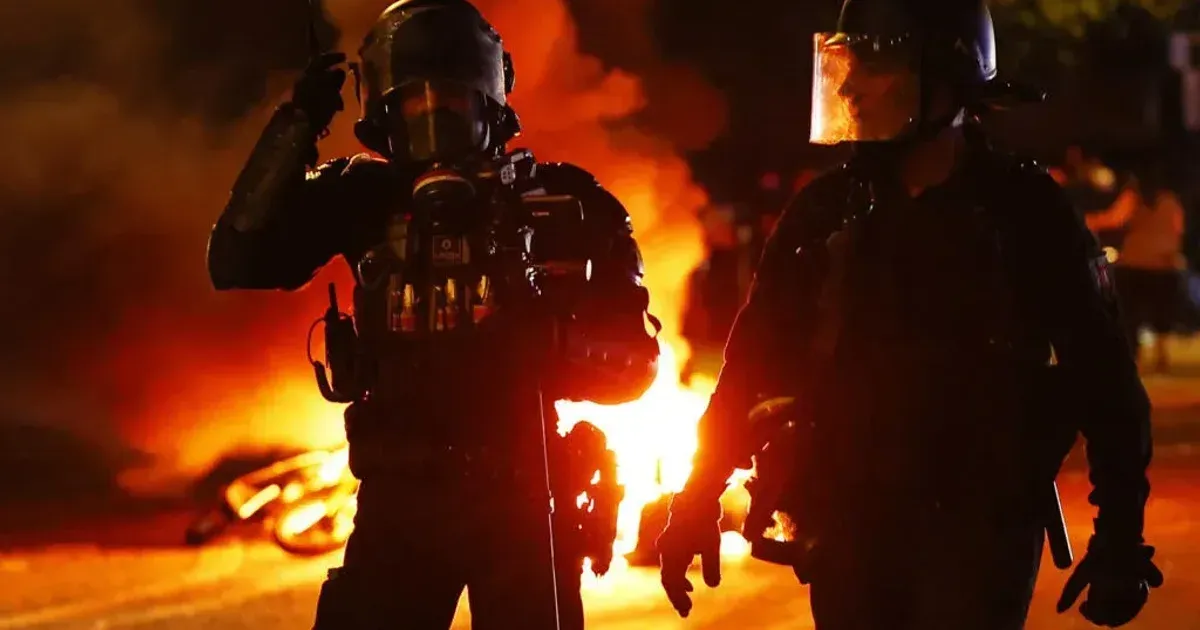
French authorities reported 416 arrests nationwide, including 283 in Paris, after PSG beat Arsenal in the Champions League final. The arrest count shows how quickly a football celebration can become a public-order operation. Paris officials now have to separate ordinary fan gatherings from the smaller groups that turned the night violent. The arrest total also gives city officials a public-safety problem after a night that many supporters viewed as historic. The detentions were announced on May 31, 2026, after celebrations spilled into clashes in the capital and several other cities. Paris Saint-Germain's victory gave the club another European title, but the night also produced fires, crowd-control operations, and a large police response.
Paris was the center of both celebration and disorder. Supporters poured into major gathering points after the final whistle, including areas near the Champs-Elysees, the Trocadero, and other central districts. Many fans celebrated peacefully, but authorities said smaller groups threw projectiles, damaged property, and confronted police units trying to keep movement under control. The scale of the crowds meant that even isolated disorder required a broad security footprint.
The unrest followed PSG's win over Arsenal in Budapest, a result that drew thousands of supporters into the streets almost immediately. For many fans, the night was a historic celebration. For police, it became a public-order operation that stretched from post-match gatherings into the early hours of Sunday.
Arrests Follow Paris Street Clashes
The Interior Ministry's arrest count showed the scale of the security operation. Paris accounted for most of the detentions, while the rest were spread across other French cities where supporters also gathered. Police had prepared for unrest because previous PSG title celebrations produced serious incidents, and the club's Champions League profile made another large turnout likely.
Reports from the capital described burning vehicles, fireworks, and riot police using crowd-control tactics to disperse groups. The situation was not uniform across the city. Some areas stayed festive, with fans singing and waving flags, while other pockets became tense as police tried to prevent gatherings from blocking streets or damaging storefronts. That mix made the night difficult to summarize as either celebration or riot.
The timing also mattered. The unrest stretched late Saturday night into the early hours of Sunday, when public transport, nightlife traffic, and post-match crowds overlapped. That made dispersal harder and increased the number of people moving through already crowded streets. Prosecutors are expected to review individual cases before deciding which arrests lead to charges.
French reports also described injuries among police officers during the disturbances, including one officer seriously hurt outside Paris. Those reports will add weight to the post-event review because officials must separate ordinary crowd pressure from targeted violence against emergency personnel. The distinction will matter when prosecutors decide which cases deserve the most serious treatment.
PSG Win Brings Security Burden
PSG's victory was a major sporting milestone for French football, but it also created a predictable security challenge. Large football celebrations can shift quickly when alcohol, fireworks, traffic pressure, and crowd density combine. Authorities must allow public celebration while also preventing a few violent groups from turning central districts into unsafe zones.
The city had reason to prepare for a difficult night. PSG title celebrations have produced major police deployments before, and this final carried added emotional weight because the club was facing Arsenal for the European trophy. Large screens, fan zones, bars, and central boulevards all became pressure points once the match ended.
The 416 nationwide arrests do not mean every celebration became violent. They show that police encountered enough disorder in enough places to require a coordinated national response. Officials will likely study where trouble started, how quickly units arrived, and whether pre-planned cordons worked as intended. That review will shape security planning for future PSG matches and public celebrations.
For Paris, the practical work continues after the crowds leave. Municipal crews must repair damaged street furniture, transit stops, and storefronts, while courts sort through the legal aftermath. The broader lesson is familiar: a landmark sports victory can become both a civic celebration and a public-order test within the same night. PSG's win will be remembered for the trophy, but the official response will also be measured by how quickly the city returns to normal.
That balance is difficult because the same public spaces that make a football celebration visible also make it harder to isolate troublemakers. Police can close streets and move crowds, but they cannot turn a citywide victory into a controlled indoor event. The next security plan will likely start from that reality.
The arrests give PSG and Paris a complicated aftermath. The victory remains a major achievement, but its public story now includes damaged property, injured officers and questions about policing a citywide sports celebration. Police commanders will review whether pre-positioned units, transport shutdowns and crowd routes matched the scale of the gathering. Future victory events will likely require clearer fan zones, staggered transit plans and faster separation between peaceful crowds and groups seeking confrontation.