Cherry blossom tourism is becoming a race against a narrower spring window. Washington, D.C., remains the best-known draw, but cities from Macon to Newark and Seattle now treat bloom timing as a serious visitor-economy signal.
Peak bloom updates on April 7, 2026, showed how a short botanical event can drive hotel bookings, transit planning and cultural programming across several U.S. cities.
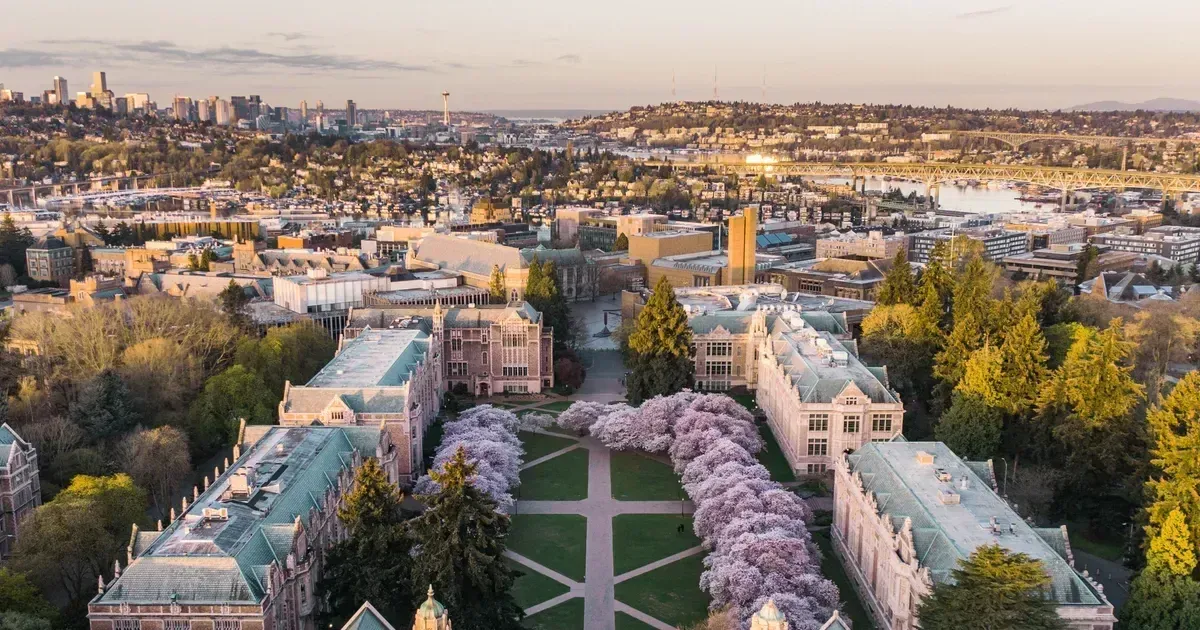
Seattle Campus Becomes Floral Destination
Arborists at the University of Washington in Seattle maintain 30 Yoshino trees that have become an academic and civic centerpiece. These specific specimens were moved from the Washington Park Arboretum in 1964 to create the iconic Quad display. Academic schedules often shift as students and residents gather beneath the heavy boughs of the older trees. Unlike the sprawling groves in other cities, the compact nature of the Seattle display creates a unique density of color. Preservation efforts intensified last year to protect the root systems from soil compaction caused by the thousands of visitors who congregate on the lawn. This high density of foot traffic is a persistent challenge for campus maintenance teams.
Historically, the Pacific Northwest provides an ideal temperate climate for these Japanese varieties to thrive. Cool springs usually extend the life of the blossoms, provided heavy rains do not prematurely strip the branches. Local enthusiasts track the development of individual buds through university-managed webcams. University officials state that the trees are now reaching an age where replacement strategies are becoming necessary to ensure the Quad retains its character for the next century. Funding for such projects typically comes from private donations and dedicated endowments for campus greenery.
Brooklyn Botanic Garden Records High Attendance
Botanical experts at the Brooklyn Botanic Garden report that their Cherry Esplanade contains one of the most diverse collections outside of Japan. Their collection includes two dozen different varieties, extending the viewing season beyond the typical Yoshino window. Kanzan trees, known for their deep pink, double-petaled flowers, often bloom later than their white counterparts. This staggered sequence allows the garden to manage visitor flow over several weeks. Garden membership usually spikes during the month of April, reflecting the high-value residents place on accessing the Cherry Walk and Japanese Hill-and-Pond Garden. Security personnel often have to enforce strict rules against touching the delicate branches during the peak weekends.
Interactive maps on the garden website provide real-time updates on which specific trees are in bloom. Such digital tools have become essential for residents trying to time their visits to avoid the heaviest crowds. Cultural programming, including tea ceremonies and traditional performances, supplements the natural display. Financial reports indicate that ticket sales during this period account for a meaningful portion of the annual operating budget for the institution. Curators emphasize that the garden is more than a scenic backdrop; it is a repository for rare cultivars that require specialized care and protection from invasive pests.
Macon, Georgia, currently holds the distinction of being the cherry blossom capital of the world with over 350,000 Yoshino trees. The sheer volume of blossoms in this Southern city dwarfs even the famous groves in Japan or Washington, D.C. This large population of trees began with a single discovery by William A. Fickling Sr. in 1949. Expansion continued through the decades as the Fickling Family Foundation donated thousands of trees to the community annually. International visitors flock to the city for a 10-day festival that combines Southern hospitality with Japanese aesthetic appreciation. Local commerce relies heavily on the $10 million injection that the festival provides to the regional economy.
Elsewhere, the city of Newark, New Jersey, manages an even larger collection than the nation’s capital at Branch Brook Park. More than 5,000 cherry trees spanning 18 varieties create a pink ribbon through the Essex County park system. Recent renovations to the park infrastructure have improved accessibility for the growing number of visitors coming from New York City and Philadelphia. While the National Park Service in D.C. manages the most famous trees, Newark’s collection offers a more varied botanical experience. Staffing levels at the park increase fourfold during the peak bloom period to manage traffic and site protection. Success in maintaining these trees depends on specialized pruning and the mitigation of road salt runoff from nearby highways.
San Francisco’s Japantown is the anchor for the Northern California Cherry Blossom Festival, one of the oldest such events in the country. Thousands of people gather in the streets of the Western Addition to witness the parade and the blooming trees. The urban setting provides a sharp contrast between the delicate blossoms and the brutalist architecture of the Japan Center. Unlike the vast parks of the East Coast, San Francisco’s display is integrated directly into the commercial and residential fabric of the neighborhood. The integration creates a unique challenge for crowd control and sanitation during the height of the festivities. Local business owners report that the festival is the single most important event for their annual revenue.
Tourism Depends on a Shorter Window
The contemporary obsession with the cherry blossom peak bloom has devolved into a frantic exercise in aesthetic consumption that ignores the unstable biological reality of these trees. Cities have turned a delicate biological event into a hard-nosed commodity, leveraging ephemeral beauty to plug holes in municipal budgets. The commercialization creates a perverse incentive for cities to prioritize high-visibility blooms over the long-term ecological health of their urban forests. The record confirms a dangerous prioritization of Instagram-friendly vistas at the expense of genuine botanical stewardship. When a city views its trees primarily as a $100 million revenue stream, the pressure to force results leads to unsustainable management practices.