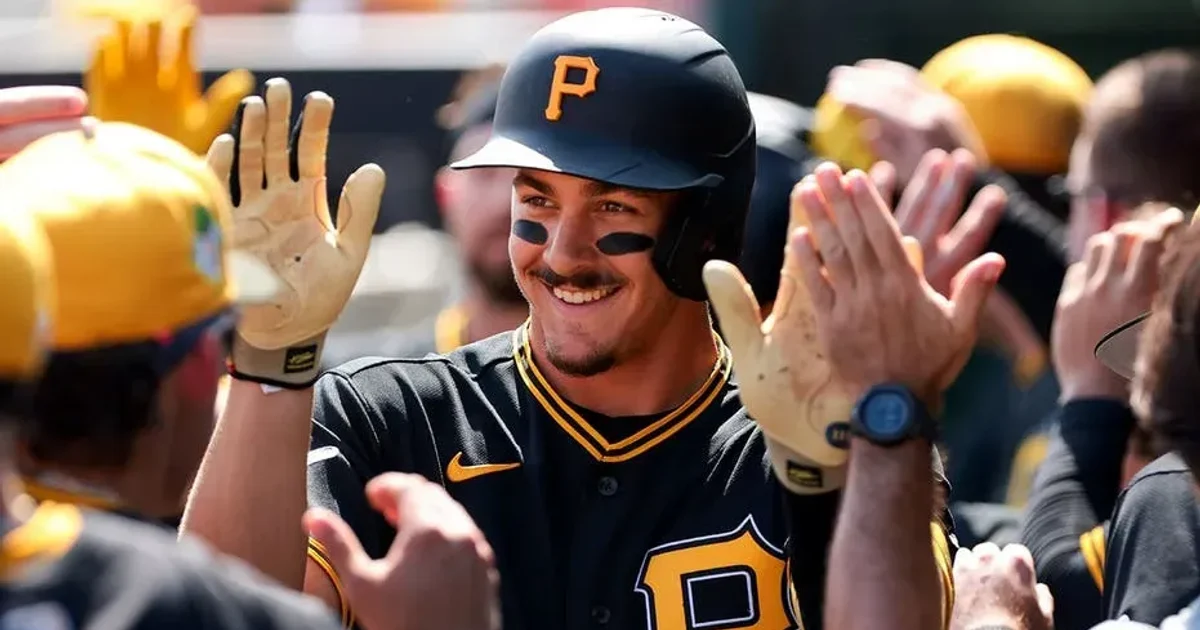
Konnor Griffin's early Pirates extension turned a prospect promotion into a franchise argument. Pittsburgh did not simply bring a 19-year-old shortstop to the majors and ask fans to dream on tools. It moved to tie that player to the organization through 2034 on a reported nine-year, $140 million deal, a commitment that changes how every at-bat, slump and defensive adjustment will be read.
This commitment makes sense only if the Pirates are ready to act like builders, not collectors of future trade chips. Griffin's talent gives the club a rare chance to put a young position-player centerpiece beside Paul Skenes and the next wave of roster planning. The money also creates pressure. A franchise that has often asked fans for patience has now bought a public deadline for its own player-development system.
A promotion became a franchise statement
Griffin's call-up was already aggressive by Pirates standards. A high-school draft pick from 2024 reaching the majors in 2026 signals unusual belief in the player and some urgency from the front office. Pittsburgh was not waiting for the safest possible development calendar. They were betting that his athleticism, defensive tools and power-speed profile could survive a fast jump.
In Pittsburgh, the distinction carries weight because the fan base has watched too many rebuilds turn into longer rebuilds. A top prospect arriving in April gives the season energy. A top prospect signing the largest reported commitment in club history tells fans the club is not only showcasing him for later value.
Reported $140 million buys certainty
For Griffin, the extension provides life-changing security before a long major league track record exists. For the Pirates, it buys cost certainty and potential surplus value if he becomes the player scouts expect. Cost certainty is the logic behind early-career extensions across MLB: pay before arbitration and free agency become more expensive, then live with the risk that projection may outrun production.
The figure is large because the timing is early. Pittsburgh is paying for upside, age and control. If Griffin grows into an All-Star shortstop, the deal can look disciplined within a few seasons. If major league pitching exposes holes that take years to close, the same contract becomes a reminder that tools are not standings.
Development does not end in the majors
A promotion often gets treated as a finish line for prospects. For a teenager, it is closer to the start of a tougher curriculum. Opposing pitchers will test Griffin with velocity above the zone, breaking balls that finish off the plate, sequencing designed from fresh data and defensive positioning that adjusts every week.
Pittsburgh has to manage that education without turning him into a symbol before he becomes a complete player. Managing his development requires steady at-bats, clear defensive expectations, protection from panic benching and honest coaching when the league finds a weakness. The size of the contract should not change the baseball work. It does change the noise around it.
Prospect incentives shaped the timing
MLB's Prospect Promotion Incentive system gives teams a reason to carry elite rookies early if they believe the player can win major awards or place high in voting. It was designed to reduce service-time manipulation and reward clubs that put top talent on the roster instead of hiding it in the minors for control reasons.
Griffin fits that environment. If he produces quickly, the Pirates gain on the field and may benefit from the league's incentive structure. If he struggles, they still own the larger lesson: the rules now encourage aggression, but they do not make a 19-year-old immune from adjustment cycles.
Small-market discipline is not the same as caution
Pittsburgh has often been judged by whether it keeps its best players long enough to build around them. The Griffin deal attacks that reputation directly. It tells fans that Pittsburgh is willing to spend early when it believes in the player and the price.
Early spending, however, cannot be the whole plan. A shortstop and an ace can change the mood, but they cannot carry a roster alone. Next comes the tougher roster test: whether the Pirates add enough around Griffin to make the deal part of a winning cycle instead of a marketing headline.
Hope now has a cost attached
Griffin may become the cornerstone Pittsburgh has needed: a dynamic everyday player with star tools, defensive value and years of control. He may also hit the normal turbulence that comes for young hitters asked to learn in public. Both outcomes are possible, which makes the contract interesting.
Pittsburgh chose the riskier but more serious path. They did not wait for certainty because certainty would have been more expensive or unavailable. Now the organization has to support the player, absorb the risk and prove the deal was the beginning of a roster plan rather than the moment fans were asked to believe again.