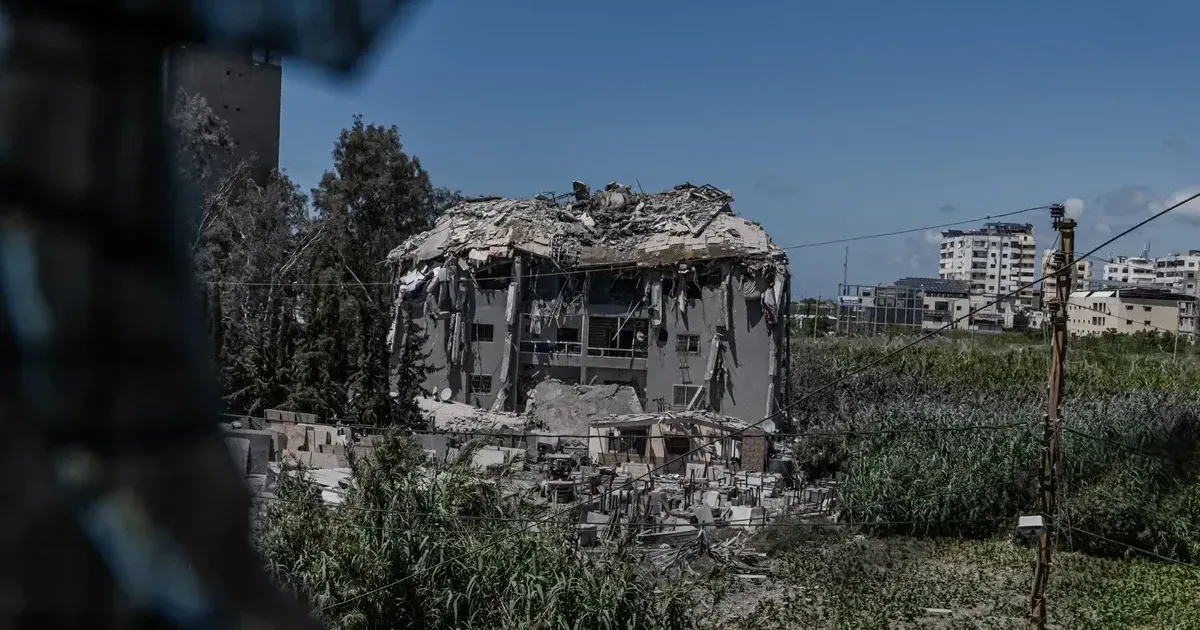
Diplomats in Washington and Tehran now shape the trajectory of the escalating conflict in southern Lebanon. Any resolution to the fighting between Israel and Hezbollah is tied to broader regional negotiations rather than local political dynamics alone. Negotiators identified a potential understanding between the United States and Iran as one possible vehicle for stabilizing the border on May 24, 2026. That dependence highlights the limited agency of the Lebanese state in determining its own security outcomes.
Success in de-escalating the violence depends on a delicate alignment of interests between three primary actors. Officials in Washington seek to prevent a wider regional fire, while Iranian leaders weigh the strategic value of Hezbollah against potential sanctions relief. Israeli security officials, meanwhile, prioritize the return of displaced citizens to northern communities through either diplomatic or military means. Efforts to decouple the Lebanese front from the broader Middle Eastern shadow war have largely failed.
Foreign influence is currently the dominant variable in the Levant. Strategic calculations in foreign capitals dictate the intensity of missile exchanges across the Blue Line. While local commanders manage tactical maneuvers, the overall rules of engagement are set through back-channel communications involving intermediaries in Qatar and Oman. Intelligence reports suggest that Iran maintains an oversight role regarding Hezbollah's long-range capabilities. By contrast, the United States provides logistical and diplomatic cover for Israeli operations, creating a deadlock that only high-level international intervention can break.
External Control of the Lebanese Border
Iran has long used its relationship with Hezbollah to project power across the Mediterranean. This partnership provides Tehran with a deterrent against Israeli aggression, but it also ties the fate of Lebanese civilians to Iranian foreign policy objectives. When Tehran indicates a willingness to engage in regional talks with Washington, the frequency of border skirmishes can decrease. Analysts observe that Hezbollah rarely initiates major escalations without considering the position of its primary benefactor.
Israeli military strategy is similarly influenced by the level of support provided by the United States. Direct military aid and diplomatic protection at the United Nations allow Israel to pursue its security objectives with greater autonomy. However, the White House has increasingly used this leverage to urge restraint and promote a negotiated settlement. The balance of power shifts whenever Washington adjusts its rhetoric or delivery schedules for precision-guided munitions.
Economic conditions in Lebanon further worsen this lack of autonomy. Collapsing infrastructure and a paralyzed central government leave the country unable to enforce sovereignty or patrol its borders effectively. Local politicians frequently wait for signals from foreign embassies before making policy declarations. The vacuum of domestic power ensures that decisions made by outside actors carry more weight than any decree issued in Beirut.
Roadblocks to a Sustainable Ceasefire
Negotiations for a ceasefire face major hurdles involving territorial disputes and security guarantees. Israel demands the withdrawal of Hezbollah forces to the north of the Litani River to ensure the safety of its citizens. Iran, however, views any retreat by its proxy as a sign of weakness that could embolden regional rivals. The United States must find a middle ground that satisfies Israeli security needs without appearing to dismantle Iran's regional influence.
Security protocols at the border require a credible international presence to monitor any future ceasefire. Existing peacekeeping missions face constant challenges from both sides of the conflict, leading to calls for a more empowered monitoring force. Establishing such a force would require a UN Security Council resolution, which again depends on cooperation among major powers. Without consensus between permanent members and regional stakeholders, any truce is likely to be temporary.
For Lebanese officials, the immediate challenge is practical as much as diplomatic. Border villages need predictable security conditions before residents can return, schools can reopen normally and damaged municipal services can be repaired. Without a credible ceasefire structure, even small exchanges can delay reconstruction and keep local authorities dependent on foreign mediation.
Projections for the coming months suggest a continued stalemate unless the proposed U.S.-Iran framework gains substantial momentum. Both sides have fortified positions and increased stockpiles of advanced weaponry. The cost of a full-scale war is high enough to deter total mobilization, yet the absence of a formal agreement prevents a return to normalcy. Final authority over the peace process still rests with leaders outside Lebanon who will decide the terms of the next regional order. Any workable pause will therefore need Lebanese buy-in even if the decisive pressure comes from Washington and Tehran.