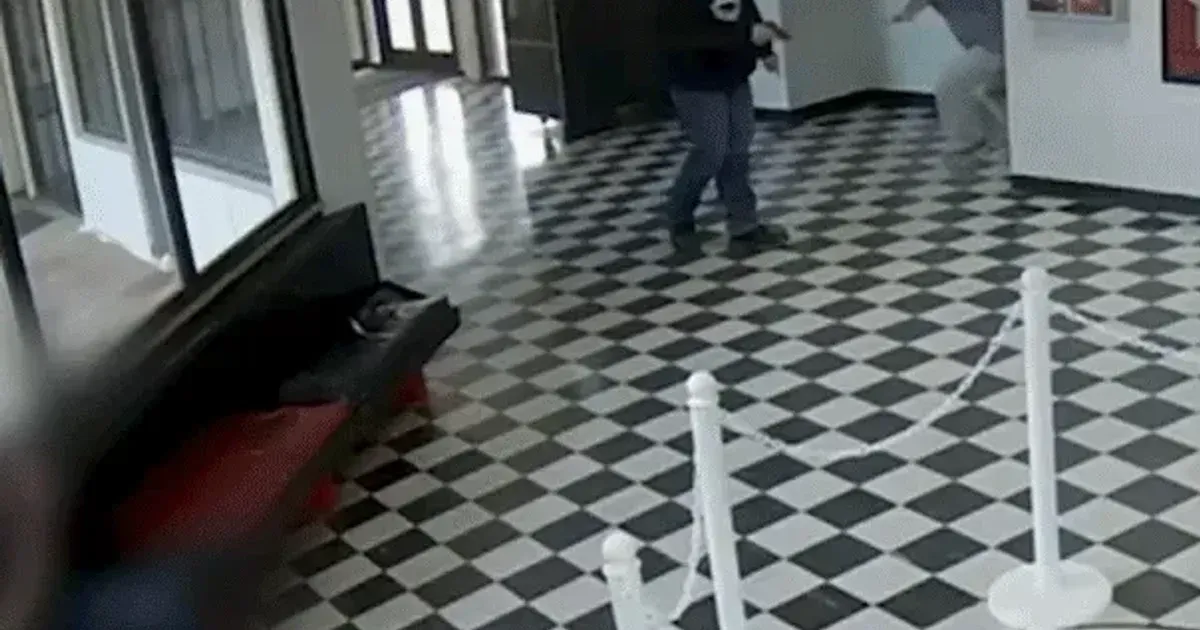
Kirk Moore, the principal of Pauls Valley High School, was identified as the staff member who confronted and helped stop an armed former student during a shooting at the Oklahoma campus. The episode quickly became both a story of individual action and a review of how the attacker reached the building. The April 15, 2026, account placed Moore at the center of a fast and dangerous response inside the school entrance.
Authorities said the gunman entered the building with loaded weapons and opened fire before Moore moved toward the threat. The principal was wounded during the confrontation but continued struggling with the attacker until the situation was brought under control. His actions likely prevented a wider attack.
The case has drawn attention because it shows both courage and vulnerability. A school leader acted quickly, but the gunman still reached the building, raising questions about access controls, door procedures, and how an unauthorized person entered.
Principal's Response Stops the Attack
School shootings unfold in seconds, and staff members often make decisions before police arrive. Moore's response reflected that reality. He did not have the luxury of waiting for a perfect plan. He moved toward danger because students and staff were at risk.
The physical struggle also underscores how close the attack came to becoming worse. A firearm inside a school foyer leaves little margin for error. Even when a responder acts bravely, a single locked door, delayed warning, or missed signal can shape the outcome.
Students and staff will now have to process the trauma of the attack as well as the relief that the gunman was stopped. Schools often reopen physically before a community feels emotionally safe again.
Access Controls Under Review
Investigators are expected to examine how the former student entered the building and whether security protocols were followed. Secure doors, visitor procedures, cameras, and staff training all matter, but they depend on consistent use during ordinary school hours and routine staff habits.
The question is not only whether Pauls Valley High had safety rules. It is whether those rules worked under real conditions. Many schools have upgraded hardware, but human decisions still determine whether a door is opened, a visitor is challenged, or an alert is sent quickly.
The attack will likely renew debate over armed staff, police presence, mental-health intervention, and building design. None of those measures is a complete answer. The strongest school-safety plans combine prevention, controlled access, rapid communication, and practiced emergency response.
Moore's actions will be remembered because they were immediate and personal. The policy work that follows will be slower, but it matters just as much. A principal should not have to be the final barrier between a gunman and a school community, even when his courage prevents a larger tragedy.
The review should therefore separate heroism from prevention. Moore's response deserves attention because it stopped the attack, but the more durable lesson is about reducing the chance that any educator faces the same choice. Door discipline, visitor verification, rapid alerts, and practiced lockdown procedures are not dramatic. They are the quiet systems that determine whether a threat is contained at the edge of campus or reaches students and staff inside.
The community response will also matter after the immediate investigation ends. Students may need counseling, teachers may need time to review emergency procedures, and parents will want clear answers about what changes before the next school day feels normal. Public praise for Moore can help a community recognize courage, but it should not become a substitute for a careful safety review. The strongest outcome would honor his actions while reducing the chance that another principal has to make the same decision in a hallway, lobby, or classroom entrance. The investigation should also look at communication speed inside the building. In school emergencies, seconds determine whether classrooms lock down, offices call police, and students move away from danger. Moore's intervention was decisive, but a strong system should not depend on one person reaching the attacker first. The goal now is to turn a narrow escape into better prevention. The district will also need to communicate those changes without creating fear. Parents want transparency, but students need routines that feel stable enough for learning to continue. That balance is difficult after violence. Moore's actions gave the school a chance to pursue it from a place of survival rather than loss. Families will judge whether the campus is safer by the safeguards they can see and understand after the praise fades. The district now has to make that progress concrete by improving the quiet systems that failed on a day when one person had to act faster than any policy document could.