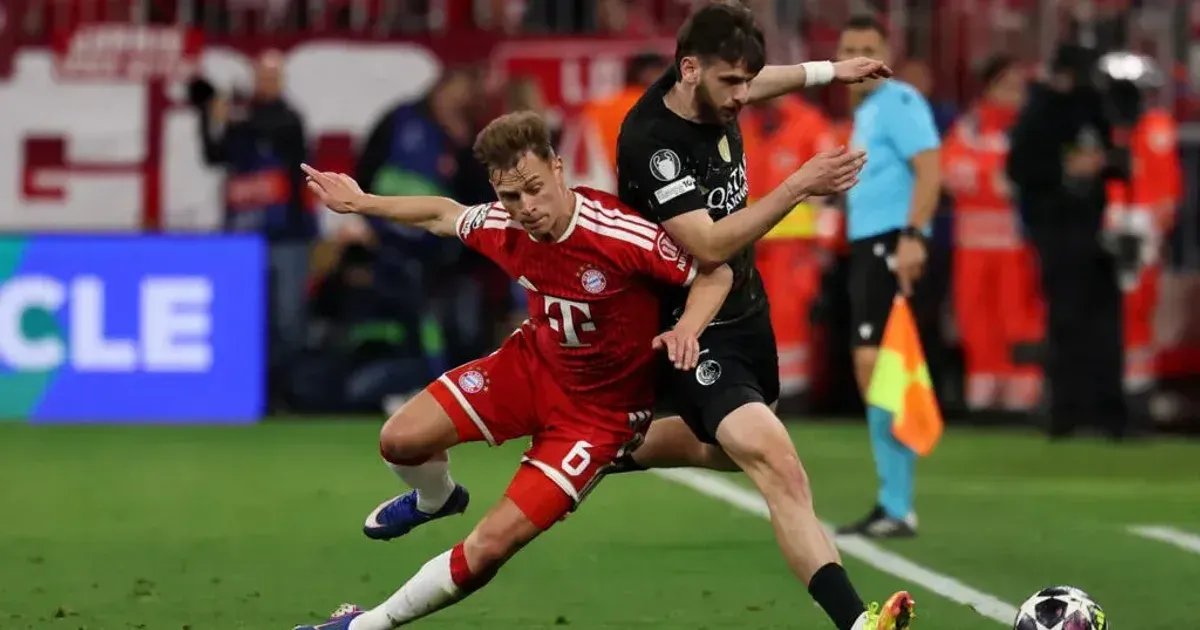
PSG reached the final through control rather than spectacle. Bayern had enough of the ball to create tension, but Paris managed the decisive moments better. The draw also gives PSG a chance to turn years of European spending into the trophy it has chased. On May 6, 2026, the result sent Paris into another Champions League final. Paris Saint-Germain reached the Champions League final after a 1-1 draw at Bayern Munich completed a 6-5 aggregate semifinal victory. The holders survived the second leg in Munich on May 6 and will face Arsenal at the Puskas Arena in Budapest on May 30. UEFA's match report and multiple international accounts put the tie at 6-5 on aggregate, removing the uncertainty that appeared in some early copy.
The result sent PSG into a second straight final and kept alive the club's bid to defend the European title it won last season. Bayern, playing at home with a one-goal aggregate deficit to erase, needed a sharper attacking night than it produced. The pressure came in waves, but PSG managed the tie with enough control to keep the semifinal from turning into another open shootout. That maturity mattered because the first leg had already shown how quickly both sides could trade chances when the game became stretched.
Ousmane Dembele's early finish gave Paris the start it wanted and widened the aggregate margin before Bayern could settle. The home side eventually found an equalizer on the night, yet the goal did not change the larger shape of the tie. PSG could afford to protect the aggregate lead, while Bayern had to chase without leaving itself even more exposed. That game state explains why the second half felt controlled even when Bayern had the ball: Paris was defending a scoreboard, not trying to win an aesthetic argument.
The final whistle confirmed a 6-5 PSG win over two legs.
Munich Draw Protects Paris Lead
Bayern tried to turn the Allianz Arena atmosphere into an early advantage, pressing high and forcing PSG's defenders to make quick decisions under pressure. That approach carried risk. Paris broke through the first line often enough to remind the hosts that one failed press could decide the tie.
Once PSG scored, the match became a test of nerve as much as technique. Bayern still had long stretches of possession and enough territory to keep the crowd engaged, but Paris defended the central lanes and limited the clean looks that would have changed the semifinal. The visitors were not passive; they simply chose their attacking moments more carefully. Dembele's goal gave them the ideal platform, and the midfield then worked to deny Bayern the central combinations that usually turn pressure into clear chances.
France 24 reported that the 1-1 second-leg draw sealed a 6-5 aggregate victory for the defending champions.
The pattern suited Luis Enrique's side. PSG no longer looked like a team dependent on individual flashes alone. The away performance was built on repeatable habits rather than one highlight: midfield cover, quick support around the fullbacks and enough threat up front to keep Bayern honest. It protected spacing, slowed Bayern's momentum after turnovers and used the clock intelligently in the final stages. Bayern Munich had chances to force a more frantic finish, but the German side could not build the sustained pressure required to overturn the tie.
Arsenal Final Sets Up Tactical Contrast
Arsenal's place in the final gives PSG a different kind of challenge. Bayern's threat came from urgency, home pressure and the need to force a comeback. Arsenal will arrive with a more balanced structure and the chance to prepare specifically for a one-match final rather than a rescue mission.
The date also gives both squads three weeks to manage fitness, tactical planning and domestic obligations. PSG will spend that period protecting rhythm after a draining semifinal, while Arsenal will look for ways to disrupt the French side's controlled buildup. The final could hinge less on possession totals than on which team handles transitions and second balls with greater discipline. Arsenal can press with speed, but PSG just proved in Munich that it can survive hostile stretches without losing its structure. That matters in a final, where long spells without the ball can become decisive if a team loses patience or shape.
For Paris, another final is evidence that the post-superstar rebuild has matured into a working European model. Paris Saint-Germain has found a more collective identity under Luis Enrique, and the Munich result showed how useful that identity can be away from home under pressure.
PSG Now Has a Credible Path to Back-to-Back Titles
Bayern's exit will renew scrutiny of its European ceiling. A domestic campaign can still soften the disappointment, but the Champions League remains the standard by which the club's season is judged. Falling short in a semifinal decided by fine margins will put attention on squad balance, chance creation and whether the attack has enough variety against elite opponents.
PSG leaves Munich with the opposite question. The club is no longer trying to prove that it belongs on this stage; it is trying to prove that last season's title was not an isolated peak. Beating Bayern over two legs gives that argument real weight, especially because the second leg demanded patience rather than spectacle.
The Arsenal match now becomes a test of durability. If PSG can carry the same defensive discipline into Budapest while keeping Dembele and its other forwards dangerous in transition, it will have a credible path to back-to-back European titles. That is the difference this semifinal made: Paris did not just reach another final, it looked like a team capable of winning one again. The performance was not flawless, but it carried the qualities that usually travel well in finals: early efficiency, compact defending and enough composure to manage the hardest minutes without panicking.