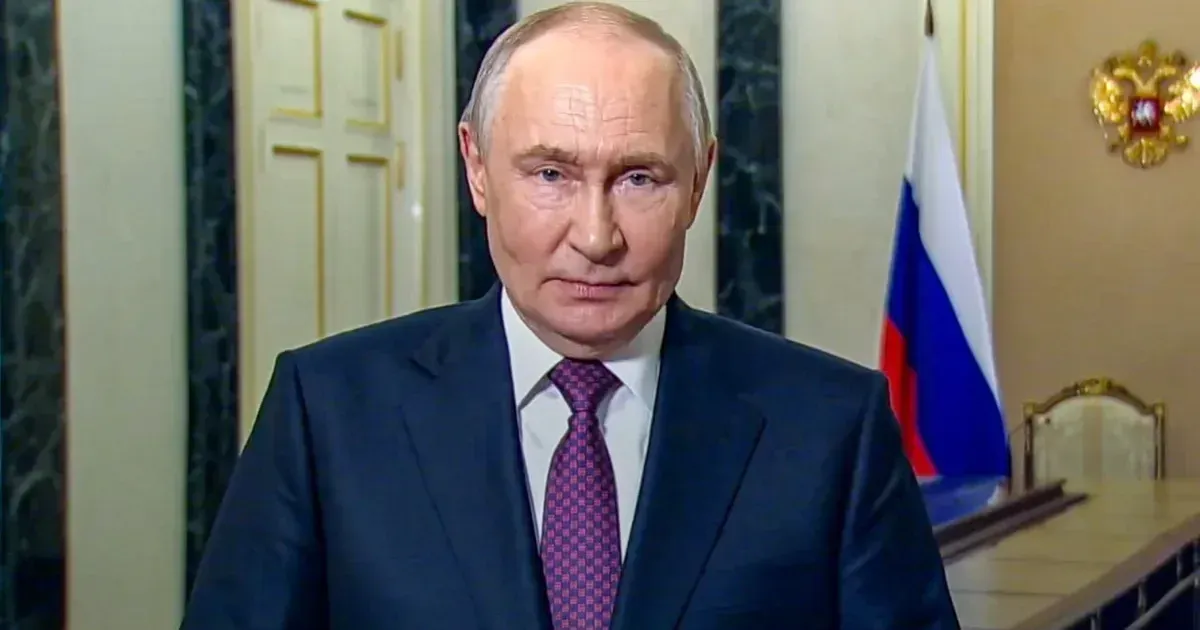
Russian President Vladimir Putin landed in Beijing on Tuesday for a two-day summit that seeks to consolidate a partnership he described as reaching a never-before-seen level. The arrival on May 19, 2026, occurred just hours after US President Donald Trump concluded a high-profile state visit to the Chinese capital. This transition from Western diplomacy to a Eurasian alliance highlights the complex balancing act Xi Jinping maintains as he manages competing global interests.
Economic cooperation and regional stability are expected to dominate the agenda as both leaders prepare for a series of high-level meetings. Putin pledged mutual support on core interests including sovereignty and national unity before his plane touched down. The timing of the trip carries considerable weight, as the Kremlin seeks to project a sense of steady solidarity despite ongoing international pressure related to the conflict in Ukraine. Recent reports suggested Xi had shared private concerns about the invasion with Donald Trump earlier in the week.
Xi told Trump that Putin might regret the invasion of Ukraine, according to reporting from The Independent. While those private remarks indicate a degree of pragmatism in Beijing, the public display of unity remains a central foundation of Chinese foreign policy. Both capitals view their coordination as a necessary counterweight to American influence in the Indo-Pacific and European theaters. Discussions are set to include key international issues that require a unified stance between the two neighbors.
Personal Rituals and Strategic Rapport
Xi and Putin have cultivated a relationship that goes beyond traditional diplomatic protocol through a series of highly personal interactions. The Chinese leader once described his Russian counterpart as his best and most intimate friend. This rapport is built on a catalogue of rituals involving shared meals, boat rides, and sports events. Such personal touches are rare for Xi, who typically maintains a reserved public persona when hosting foreign dignitaries. These activities serve as a visual shorthand for the depth of the bilateral connection.
Previous encounters between the pair involved drinking vodka and riding a bullet train together. They have celebrated birthdays in each other’s company, reinforcing a bond that state media frequently portrays as unique among world leaders. These gestures provide a layer of stability to a relationship that must navigate the volatile realities of global trade and military tension. Analysts observe that these personal ties often smooth over bureaucratic friction that could otherwise stall major energy or infrastructure projects.
President Vladimir Putin said that Russia’s relationship with China had reached a truly new level, pledging mutual support on core interests including sovereignty and national unity just hours before his arrival in Beijing.
Mutual support on sovereignty is a recurring theme in the rhetoric of both governments. Putin has consistently aligned himself with China regarding its territorial claims, while Beijing has provided a critical economic lifeline to Moscow. The resilience of these ties has surprised some Western observers who expected the Ukraine conflict to create greater distance between the two powers. Instead, trade volumes continue to show powerful growth as Russian energy finds a steady market in the Chinese industrial sector.
Economic Coordination and Regional Issues
Investment in technology and energy infrastructure forms the backbone of the current discussions. Russian officials emphasized that the two-day trip will focus heavily on economic cooperation. As the US moves to tighten trade restrictions on various Chinese sectors, Beijing sees the Russian market as a strategic alternative. The alignment is more than a reaction to Western pressure; it is a long-term goal of the $240 billion annual trade relationship. Both nations are working to reduce their reliance on the US dollar for bilateral transactions.
Security concerns in Central Asia and the Middle East will likely feature in the private sessions between the leaders. Moscow and Beijing share an interest in preventing instability along their extensive borders. These shared security goals often lead to joint military exercises that serve to demonstrate their combined capabilities to a global audience. The focus on sovereignty ensures that neither side interferes in the domestic political arrangements of the other, a principle that anchors their strategic trust.
Xi’s Dual-Track Diplomacy Cannot Erase the Limits of the Partnership
The endurance of the China-Russia axis depends more on external pressure than internal ideological alignment. When the United States adopts a more confrontational stance toward both nations, as seen during the recent Trump state visit, Moscow and Beijing naturally gravitate toward one another. Xi Jinping is playing a sophisticated game of geopolitical chess. By hosting the US president and the Russian president within the same week, he positions China as the essential mediator of the 21st century. The dual-track diplomacy allows Beijing to extract concessions from Washington while maintaining a secure northern flank through its alliance with Putin.
However, the limits of this intimacy may be tested if the costs of the Ukraine war begin to outweigh the benefits of the partnership for China. Xi's alleged comments to Trump about Putin's potential regrets indicate that Beijing is not blind to the risks of Moscow's military ambitions. Strategic patience is the defining characteristic of Chinese policy. For now, the visual of Xi and Putin standing together provides the necessary optics of a multipolar world. The question is not if the relationship will change, but how long the personal rapport of two men can sustain a global power shift. Power remains centralized and personal.