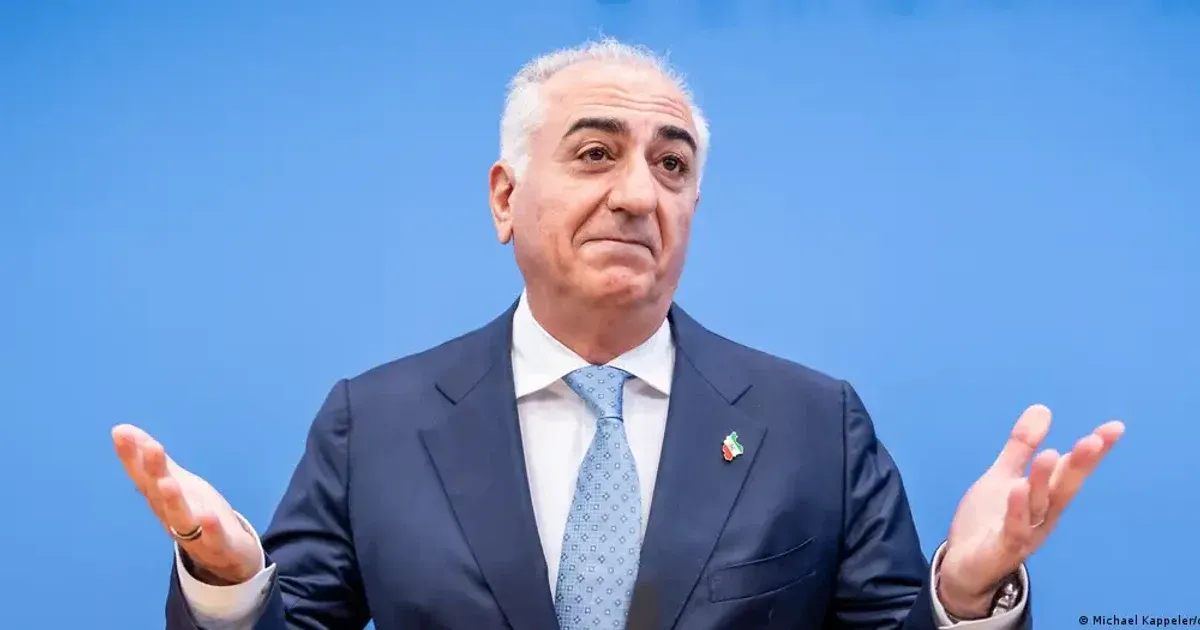
Reza Pahlavi remains the most recognizable Iranian opposition figure outside the country, yet recognition has not settled the harder question of whether he can organize a credible transition. Analysts interviewed by DW divided sharply over his standing. In an assessment published August 4, 2026, some saw a movement that still connects opposition groups; others saw a campaign too dependent on foreign backing and too weak inside the power structures it would need to change.
The debate sharpened after a Reuters investigation reported in July that Pahlavi's candidacy had lost momentum following a high point earlier in 2026. He has repeatedly said he is ready to guide Iran through a transitional period. Senior U.S. officials, however, have publicly distanced Washington from a U.S.-backed effort to install him. That gap between personal ambition and government support frames the current argument over his relevance.
The dispute separates three tests that are often blended together: acceptance by Western governments, tactical value to Israel and genuine support among Iranians. Pahlavi can perform differently on each measure, which makes a single verdict about whether his influence is rising or falling unreliable. The analysts disagree not only about Pahlavi but also about the route to political change in Iran.
Foreign Pressure Changed the Language of Transition
Pahlavi welcomed international pressure during periods of heightened conflict. In January, he encouraged street protests as Trump publicly signaled that assistance would follow. After military conflict failed to bring down Iran's government and criticism grew over the cost of war, his language placed greater responsibility on Iranians themselves. Critics interpreted that shift as a retreat from earlier expectations of outside assistance.
That change matters because foreign intervention became a test of political judgment, not merely a dispute over rhetoric. Researcher Mojtaba Najafi argued that Western governments have never treated Pahlavi as a viable option capable of gaining power, managing it and influencing existing institutions. Arash Azizi of Boston University similarly said Pahlavi had not demonstrated the political skill required for his ambitions and had relied on foreign powers that were unwilling to support him decisively.
The Western calculation is not uniform. Najafi described European governments as primarily concerned with stability, migration, security and the containment of radicalism. In the United States, he said, pragmatic officials could seek terms with parts of the current Iranian establishment when that serves American interests. Amir Taheri, a Paris-based activist who supports constitutional monarchy, also described Washington as divided: part of the Republican Party backs Pahlavi, while another faction favors a new order emerging from within Iran's existing system.
Israel, Western Capitals and Iranians Apply Different Tests
Israel occupies a different position because of its long confrontation with the Islamic Republic. Najafi's assessment was that Pahlavi's organization could serve some Israeli officials as another instrument of pressure against Tehran. Azizi acknowledged Pahlavi's ties with Western and Israeli figures but argued that those contacts had not produced decisive backing. The distinction is important: usefulness in a pressure campaign does not automatically amount to support for leading a post-government transition.
Taheri offered a more favorable reading of Pahlavi's movement, saying it had connected different opposition groups and kept him the most visible Iranian opposition figure abroad. He still called meetings with right-wing European politicians a strategic error because they were poorly received by governments and traditional political parties. On this view, visibility remains an asset, but the alliances used to expand it can also narrow the audience willing to work with him.
Support inside Iran is harder to measure. Repression, economic hardship and inflation limit reliable political measurement, while the consequences of war complicate claims that outside military pressure can accelerate change. Najafi said failed change through foreign intervention could damage Pahlavi's popularity. Taheri also saw a decline tied to conservative and right-wing associations abroad and to support for a war that many Iranians consider unjust.
One dissenting assessment came from Mehrdad Bozorg, an analyst in Germany who supports Pahlavi. He argued that Pahlavi's credibility had increased after a severe crackdown on anti-government protesters and that his legitimacy came from Iranians rather than foreign governments. His position identifies the central evidence problem: supporters treat continued recognition and protest-era leadership as proof of a mandate, while critics want a demonstrable organization capable of uniting domestic forces and handling a transfer of power.
A Transition Network Must Be Broader Than One Name
No analyst in DW's report identified a clear replacement if Pahlavi continues to lose political weight. Azizi and Najafi emphasized civil society and forces operating inside Iran instead of another personality. Taheri warned against repeating a system in which political change transfers power to one dominant figure. That leaves coalition capacity as the unresolved measure: Pahlavi's name can attract attention, but a transition would require domestic organization, institutional reach and partners able to manage competing interests.
The competing assessments therefore do not reduce to popularity. Western governments are testing stability and strategic fit; Israel may test pressure value; Iranians must weigh legitimacy, war and the ability to organize at home. Pahlavi remains present in all three debates, which prevents his campaign from being dismissed. Yet none of those audiences has supplied an uncontested mandate. His next political gain would have to be visible in a durable network, not another round of foreign meetings or declarations of readiness.