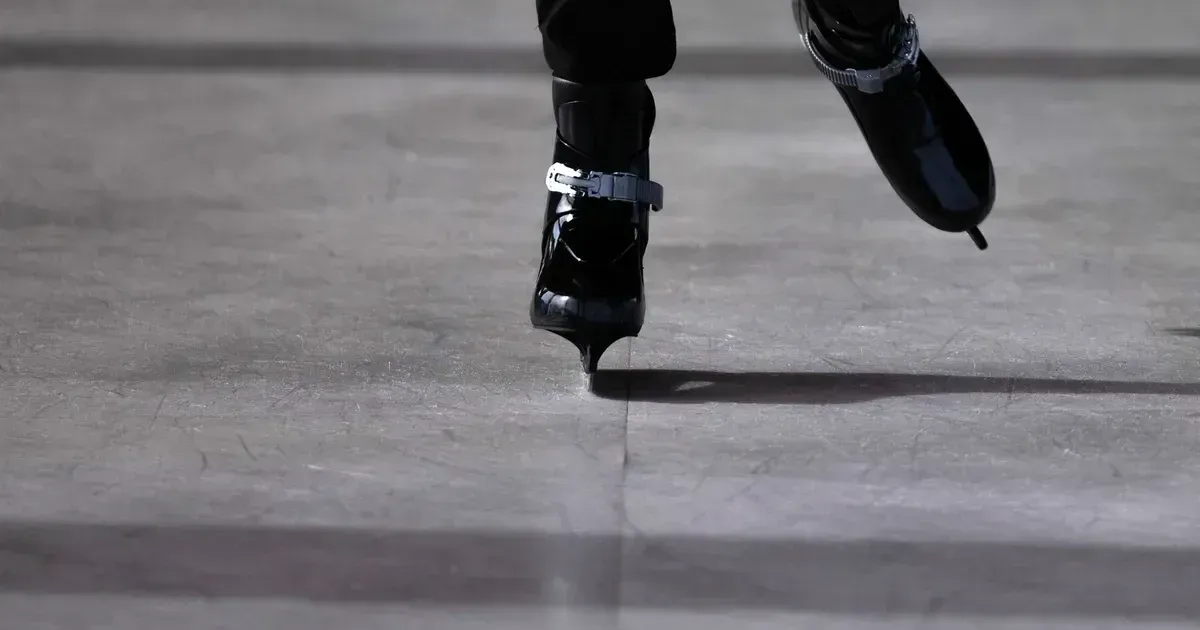
Rink operators across North America accelerated a shift toward synthetic ice as refrigeration costs, warmer winters and energy bills changed the economics of skating facilities. Owners have to keep ice usable for hockey, skating lessons and public sessions while utility costs keep rising. Traditional ice also requires staff time, water management and constant temperature control. Synthetic panels offer a different cost structure. The plastic-panel alternative drew new attention on April 5, 2026, as managers weighed lower operating costs against player feel and environmental concerns. The business case is clear, but the material tradeoff is still contested.
Traditional rinks require huge amounts of electricity to power industrial chillers that keep ice at optimal temperatures. Warmer winters have forced facility managers to run these machines longer and at higher intensities to prevent the surface from softening. Many municipal budgets can no longer absorb the five-figure monthly utility bills associated with year-round ice maintenance. Switching to high-density polyethylene eliminates the need for any electricity for cooling, which transforms the financial outlook for small-town community centers. The upfront investment in plastic panels is often recouped within three years through energy savings alone.
Synthetic Ice Adoption Grows as Temperatures Rise
Environmental groups have raised concerns about the long-term ecological impact of replacing ice with fossil fuel-derived polymers. While plastic rinks do not consume electricity for cooling, they introduce microplastics into the surrounding environment. Skaters shave off tiny fragments of plastic with every sharp turn or sudden stop. Critics argue that swapping one environmental problem for another does not constitute a sustainable solution for a warming planet. Proponents of the technology, however, point to the enormous reduction in carbon emissions that results from shutting down industrial compressors.
Glice, a leading manufacturer of synthetic ice, reports a 40 percent increase in orders for community centers and professional training facilities. These panels interlock like a giant jigsaw puzzle to create a seamless skating surface that requires no water or chemicals. High-end variants include integrated lubricants that mimic the glide of natural ice with surprising accuracy. Manufacturers are also experimenting with bio-based plastics to address the concerns of environmentalists who worry about petroleum dependency. These newer materials offer similar durability while reducing the carbon footprint of the production phase.
Economic Realities of Refrigeration Costs
Skaters often notice a distinct difference in friction when moving from real ice to synthetic alternatives. Standard steel blades bite deeper into the plastic, requiring more physical effort to maintain speed. Coaches believe this added resistance helps develop stronger leg muscles and improves skating technique during off-season training. Elite athletes use these surfaces for specialized skill development, even if they still prefer natural ice for competitive games. The increased friction also means that skates must be sharpened more frequently, which adds a minor cost for the individual player.
"The shift to synthetic surfaces is a matter of economic survival for small-town arenas facing rising power bills," according to a spokesperson for the International Ice Hockey Federation.
$11 billion is the estimated annual cost to operate all professional and amateur ice rinks across the northern hemisphere. Reducing this figure by eliminating energy costs could preserve thousands of youth programs that would otherwise face closure. Financial viability often outweighs the aesthetic preference for natural ice in cash-strapped municipalities. Facility directors are increasingly choosing the reliability of plastic over the risk of catastrophic chiller failure. A broken compressor in mid-August can cost a facility its entire summer revenue in a matter of days.
Ecological Concerns Regarding Polymer Microplastics
Maintenance for traditional ice involves regular resurfacing with heavy machinery like Zamboni or Olympia machines. These vehicles, often powered by propane or natural gas, add to the carbon footprint of the facility through exhaust emissions. Synthetic rinks require only occasional vacuuming and the application of a topical glide solution to stay functional. This simplicity reduces the need for specialized staff and eliminates the dangers associated with handling refrigerants like ammonia. Moving away from these chemicals makes the rinks safer for urban environments where a gas leak could trigger a mass evacuation.
Manufacturers claim that their newest generation of polymers can last for over a decade with proper care. These surfaces are reversible, effectively doubling their lifespan before they need recycling. Proponents point to the meaningful water savings in drought-prone regions where maintaining a rink was previously viewed as an extravagance. A standard regulation-size rink requires thousands of gallons of water for the initial freeze and subsequent resurfacing sessions. Plastic alternatives eliminate this demand entirely, allowing desert cities to maintain hockey programs without depleting local aquifers.
Recent surface-engineering improvements have narrowed the performance gap, though many skaters still notice differences in glide, edge response and fatigue.
Skepticism remains high among professional athletes who demand the precise feedback of a frozen water surface. National Hockey League scouts frequently warn that reliance on synthetic surfaces might alter the fundamental mechanics of the game. Precision turns and sudden stops feel different on a surface that does not yield to a blade in the same way ice does. Young players who train exclusively on plastic may struggle to adjust their balance when they eventually transition to a professional frozen rink. This technological gap remains the primary barrier to total market dominance by synthetic manufacturers.
Chemical runoff from these plastic surfaces is currently undergoing scrutiny by federal regulators in both the US and UK. Rainwater can carry shed plastic particles from outdoor installations into local waterways. Regulators want to determine if the abrasion from skates creates a high volume of airborne microplastics. Early studies suggest that indoor rinks with proper filtration systems can reduce most of this risk. Outdoor rinks, however, remain a point of contention for local conservation boards concerned about aquatic life in nearby streams.
Supply-chain volatility for petroleum products directly impacts the price of synthetic rink panels. As oil prices fluctuate, the cost of installing a new synthetic facility can jump by 20 percent in a single quarter. Volatility makes long-term planning difficult for recreational departments that operate on fixed three-year budget cycles. Despite these price swings, the long-term operational savings continue to lure investors who are wary of future energy price spikes. The predictability of a non-refrigerated floor is a powerful incentive for risk-averse municipal planners.
Private homeowners represent the fastest-growing segment of the synthetic ice market. Basement and backyard rinks have become a status symbol in suburbs where freezing temperatures are no longer guaranteed during the winter months. Sales of home kits have doubled since the beginning of 2024. This trend suggests that the cultural definition of a rink is changing from a seasonal community hub to a year-round personal utility. Amateur hockey is becoming less dependent on the weather and more dependent on chemical engineering.
The NHL has not yet approved synthetic surfaces for official competition use.
Large-scale commercial installations are now appearing in shopping malls and urban plazas that once hosted temporary frozen ponds. These locations benefit from the lack of heavy refrigeration equipment, which reduces noise pollution and structural load requirements. Commercial landlords prefer the simplicity of plastic panels over the risk of leaks and water damage. Urban developers are integrating these dry rinks into multi-use complexes to provide year-round entertainment without the logistical headaches of ice management. The move ensures that skating remains a visible part of the urban landscape regardless of the climate.
Rink Economics and Polymer Tradeoff
Does the world really need plastic rinks, or are we just unwilling to accept that climate changes have consequences for our pastimes? The industry is currently patting itself on the back for saving energy while simultaneously drowning the planet in more non-biodegradable polymers. What is unfolding is the slow-motion death of an authentic winter sport, replaced by a sanitized, chemically-coated simulation. If a community cannot naturally sustain ice, perhaps it is time to admit that hockey shouldn't be played there anymore; trading atmospheric carbon for ground-level microplastics is a classic example of corporate shell games. Municipalities are being sold a "green" solution that is actually just a different flavor of environmental degradation. The long-term cost of cleaning up these plastic fragments will likely outweigh the temporary savings on the electric bill.
Hockey purists must decide if the spirit of the game can survive on a surface that feels like a giant cutting board. By prioritizing economic convenience over physical reality, we are raising a generation of athletes who have never felt the unique, fleeting magic of real ice under their blades. It isn't innovation. It is surrender.