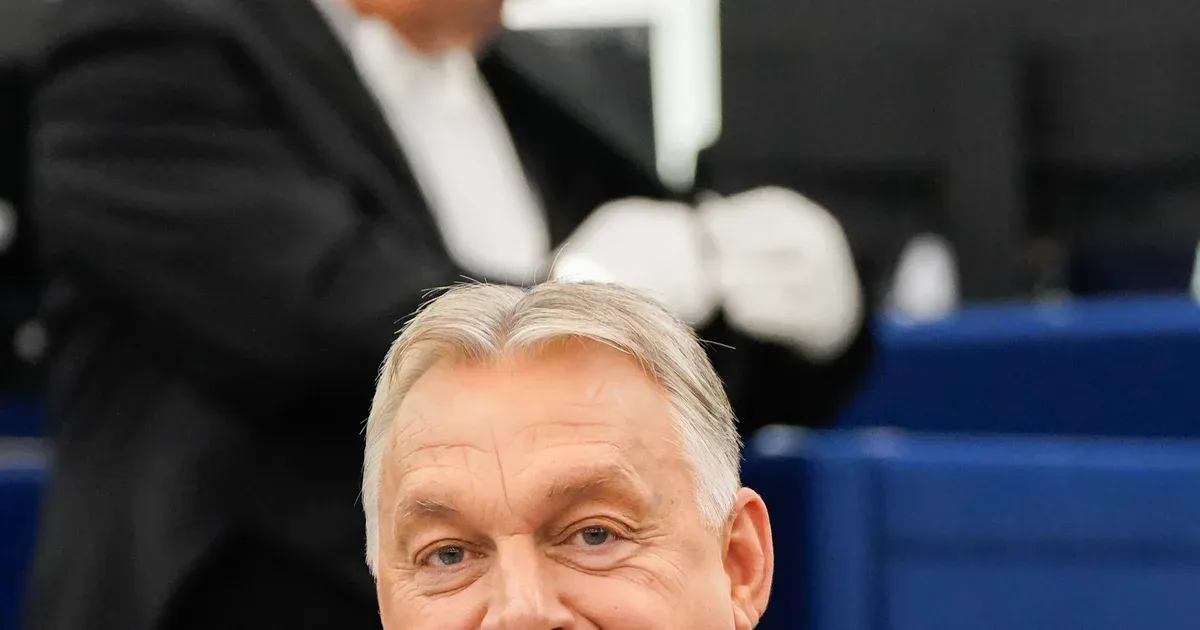
Viktor Orbán faced a deepening fiscal squeeze as Hungary struggled with inflation, budget pressure and frozen European Union funding. Markets were watching whether the government could stabilize the forint without imposing politically costly austerity. Brussels had tied major funds to rule-of-law conditions. The pressure intensified on April 5, 2026, as deficit concerns and EU disputes narrowed Budapest's room for stimulus. The crisis placed Orbán between domestic political survival and the financial demands attached to European support.
Brussels continues to withhold approximately $22 billion in cohesion and recovery funds intended for Hungary. Official statements from the European Commission indicate that the disbursement of these billions depends on strict adherence to twenty-seven judicial and anti-corruption milestones. Total funding for university exchange programs and research initiatives has also been halted. Access to these resources is restricted until Budapest satisfies the European Union regarding the independence of its courts. Judicial reforms remain at the center of this multi-year stalemate between the sovereign state and the continental bloc.
Economic isolation now looms over Budapest.
Food prices in Hungary rose faster than in any other member state during the previous calendar year. Real wages fell for many workers, leaving Fidesz supporters in rural areas particularly vulnerable to rising living costs. Households have adjusted their spending habits by reducing consumption of imported goods. Statistics show that domestic retail activity contracted by nearly four percent in the last reporting period. Pressure on the middle class has prompted rare public criticism from traditionally friendly business circles.
EU Funding Freeze and Rule of Law Conflicts
Administrative blocks on the recovery funds have created an enormous hole in the Hungarian national budget. Negotiations with the European Commission reached a standstill after auditors identified persistent transparency issues in public procurement processes. Legal experts in Brussels argue that the conditionality mechanism is working as intended by protecting the financial interests of the union. Corruption investigations involving high-profile infrastructure projects have further delayed any potential thaw in relations. Public sentiment toward the European Union has grown increasingly polarized as the financial squeeze intensifies.
"Compliance with democratic standards is not an optional suggestion but a requirement for membership in the single market," stated a spokesperson for the European Union.
Institutional gridlock has forced the Hungarian government to seek alternative financing from non-Western sources. Recent agreements with Chinese development banks have provided some relief for energy projects. Inflation, however, continues to erode the value of these loans. The forint experienced a three percent drop against the euro in the first week of April. Currency instability makes it more expensive for the state to service its existing euro-denominated obligations.
Hungarian Inflation and Forint Volatility
Investors expressed concern that the central bank might lack the foreign exchange reserves necessary to defend the forint during a prolonged sell-off. Debt servicing costs now consume a larger portion of the annual budget than education or healthcare. Sovereign bond yields rose to levels unseen since the 2008 financial crisis. Credit rating agencies have placed Hungary on a negative outlook, citing the lack of progress on EU fund releases. Analysts at major European banks suggest that the current path is unsustainable without a meaningful policy shift.
Capital flight is a distinct possibility for the forint.
Political leaders in the Fidesz party have responded by blaming external actors for the domestic economic woes. State-controlled media outlets frequently cite sanctions against Russia and bureaucratic overreach in Brussels as the primary drivers of inflation. Critics of the government argue that this narrative ignores a decade of loose monetary policy and public spending on prestige projects. Public opinion polls suggest that while the Fidesz base remains loyal, younger voters in Budapest are increasingly frustrated with the cost of living. Urban centers have hosted several demonstrations calling for immediate judicial reform to unlock the frozen funds.
Fidesz Party Strategies for Political Survival
Media control remains a central foundation of the Viktor Orbán strategy to maintain power during periods of economic distress. Pro-government foundations manage the majority of local newspapers and television stations, ensuring a unified message regarding the causes of the crisis. State advertising budgets provide a critical lifeline to these organizations. Private businesses that openly criticize the government often find themselves the target of tax audits or hostile regulatory scrutiny. Funding for opposition parties is heavily restricted through laws that limit foreign campaign contributions.
Legislative changes enacted during the pandemic have given the Prime Minister broad powers to rule by decree. Energy subsidies, once a flagship policy of the Fidesz government, have been scaled back for most households. Foreign direct investment into the automotive sector has slowed as German manufacturers reconsider their exposure to Hungarian political risk. The labor market is tightening, with many skilled professionals choosing to migrate to Western Europe for higher wages and better working conditions.
Budget Deficit Projections and Sovereign Debt Risks
Fiscal targets for 2026 appear increasingly out of reach as tax revenues fall below projections. Central bank officials have cautioned that interest rate cuts would be premature while price growth stays above target. Borrowing costs for the Hungarian state have increased by two hundred basis points since the start of the fiscal year. The government recently issued a new series of retail bonds to encourage citizens to fund the national debt. Infrastructure projects, including high-speed rail links and hospital upgrades, have been put on indefinite hold to conserve cash.
Hungary faces a reckoning that cannot be solved by political rhetoric alone. Financial reality is beginning to override the populist narratives that have sustained the current administration for over a decade. European leaders seem unwilling to blink in this game of fiscal chicken. Future growth depends entirely on whether the ruling party prioritizes its ideological independence or its economic survival. National reserves are being depleted at a rate that suggests a decision must be made before the end of the second quarter.
Funding Freeze and Fiscal Risk
History often punishes leaders who mistake temporary populist fervor for permanent economic immunity. Viktor Orbán has spent years perfecting a model of illiberal democracy that relies on two unsustainable pillars: constant external enemies and a steady flow of European Union subsidies. Now that the subsidies have evaporated, the enemies no longer pay the bills. This fiscal wall is not a bureaucratic error but the inevitable consequence of trying to participate in a single market while rejecting the legal framework that governs it.
Brussels has finally discovered that the only language Budapest understands is the ledger. By withholding the $22 billion, the commission is conducting a live experiment in whether a populist regime can survive a prolonged period of self-inflicted austerity. Fidesz may own the media, but it does not own the mathematics of sovereign debt. If the forint collapses, the nationalist rhetoric will fail to heat homes or fill grocery shelves.
Orbán is out of time. He can either surrender the judicial independence he worked so hard to dismantle or watch the Hungarian economy transform into a stagnant satellite of Eastern capital. The bluff has been called. The price of illiberalism is bankruptcy.