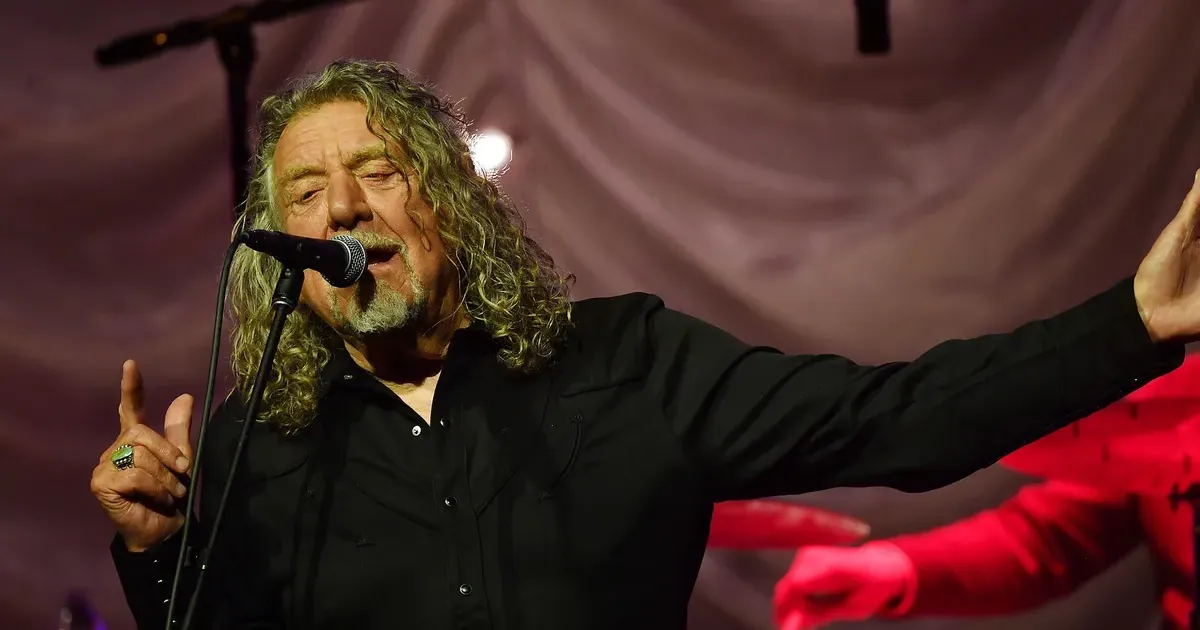
Robert Plant's spring 2026 Saving Grace dates and Phish's nine-show return to Sphere showed two different ways scarcity now shapes live music. One was built around smaller rooms, roots arrangements and a legendary voice deliberately avoiding arena scale. The other was a destination residency for a fan base trained to treat every night as different.
The events were not the same business model, but the ticket logic overlapped. Capacity was limited, loyalty was deep, and the venue itself mattered. When those three conditions meet, resale markets do not price only the artist. They price the room, the date, the travel plan and the fear of missing a version of the show that will not repeat.
Plant Made Intimacy the Premium
Saving Grace is not a Led Zeppelin nostalgia machine. The project with Suzi Dian leans into folk, blues, country, gospel and quieter arrangements. The quieter arrangements change the venue calculation. A cathedral, theater or historic room can serve the music better than a large arena because the point is texture, atmosphere and restraint.
Plant's spring route included places such as Nashville's Ryman Auditorium, Philadelphia, Red Bank and New York's Cathedral of St. John the Divine. The New York date listed face-value tickets from $99 to $475, which already reflected a premium room. Secondary prices then had a simple story to sell: Robert Plant, not in a stadium, in a room with its own acoustic and visual identity.
Phish Made Repetition Feel Scarce
Phish scarcity works in the opposite direction. Nine Sphere shows across April 16-18, April 23-25 and April 30-May 2 looked like a large supply on paper. For Phish fans, it was not enough because the band has spent decades making each night feel distinct. Setlists change, jams stretch and multi-night attendance becomes part of the culture.
Sphere added another layer. The venue's wraparound visuals, spatial audio and high production costs turned the run into a trip, not only a concert. By early April, all nine shows were reported sold out through official primary channels. The sellout pushed late demand toward resale platforms and made weekend blocks, opening nights and final shows especially easy to premium-price.
Resale Platforms Price Narrative
Secondary markets do not price music in isolation. They price timing, city, capacity, seat location, platform fees, fan anxiety and the story attached to the event. A Robert Plant cathedral show and a Phish Sphere weekend trigger different emotions, but both are legible to resale algorithms: limited inventory plus committed buyers.
The pricing logic does not mean every inflated listing becomes a sale. Prices can soften near showtime when sellers need to move inventory. But the strongest events retain leverage because the buyer is not simply comparing songs. The buyer is deciding whether to miss a specific cultural moment.
Venue Character Became Part of the Artist
The live market increasingly rewards shows where the room feels inseparable from the performance. Plant in an intimate historic venue tells one story. Phish inside Sphere tells another. In both cases, the setting is not background. It is part of the product.
Artists therefore and promoters keep leaning into residencies, special rooms, limited runs and destination formats. The recorded catalog may be available everywhere. The specific night in the specific building is not. Scarcity becomes easier to defend when the venue changes what the show can be.
Access Remains the Weak Point
The industry likes scarcity because scarcity protects margins. Fans tolerate it when the event feels special. The tension starts when resale prices and fees move so far above face value that the most loyal audience is priced out or forced into opaque buying decisions.
Plant and Phish are not villains for creating demand. The harder question belongs to artists, venues and ticketing platforms: how much of that demand should be allowed to turn into secondary-market extraction? Anti-scalping tools, verified fan systems, ticket limits and face-value exchanges can help, but each has tradeoffs and loopholes.
The Concert Economy Sells Moments
live music now sells access to moments as much as performances. Plant's scarcity came from scale and room character. Phish's came from variation, fandom and immersive venue technology. Both made resale markets stronger because both made absence feel expensive.
That is the modern ticket problem in miniature. Fans are not only paying to hear songs. They are paying to be able to say they were in the room when that version happened. Once the room becomes part of the memory, scarcity stops being a side effect and becomes the business.