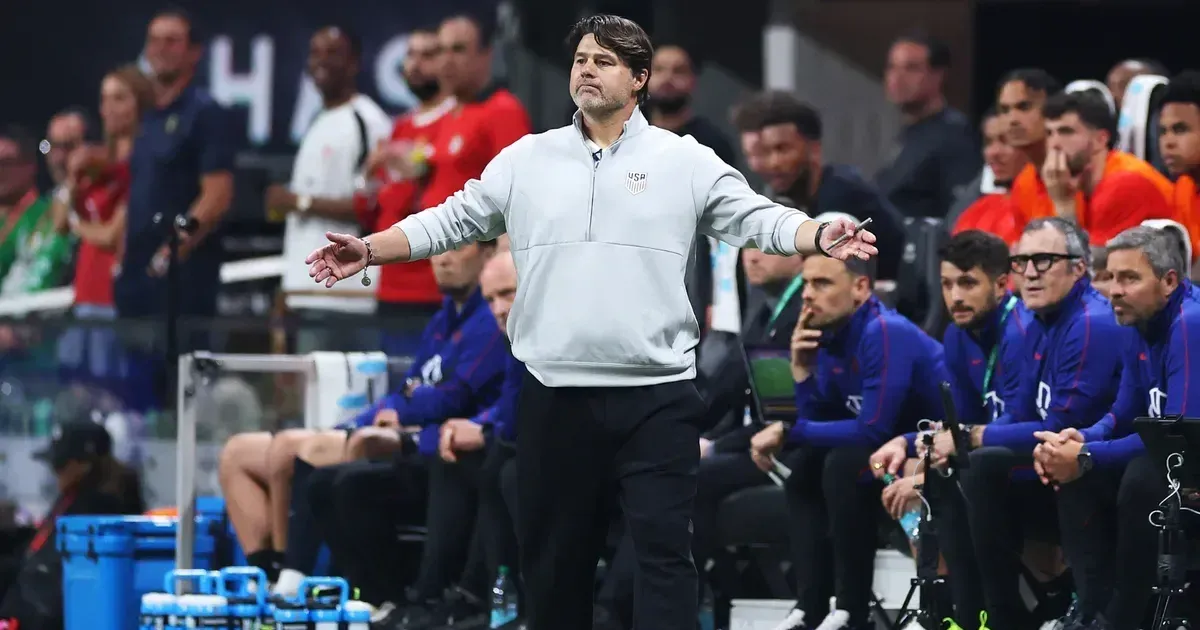
Mauricio Pochettino saw his careful World Cup launch plans unravel early after a complete list of selected players circulated on social media. The leak undermined a carefully staged marketing moment before the federation could control the story. It also shifted attention from roster excitement to internal security and media planning. News of the 26-man roster surfaced on May 24, 2026, just forty-eight hours before a planned primetime television event intended to showcase the squad for the upcoming tournament. Organizers had coordinated a multi-platform media blitz to introduce the team, but those efforts were largely undermined by the digital breach.
Instead of a controlled reveal, the US Soccer Federation spent the morning struggling with the fallout of the unauthorized disclosure. Officials originally envisioned a televised ceremony on Tuesday to build national momentum. This early leak forced the federation to adjust its communication strategy as fans and media outlets began dissecting the choices long before the official broadcast time. Security surrounding the final list failed at a crucial point for the organization's marketing department.
Plans for a high-production broadcast now face the challenge of engaging an audience that already knows the final results. Major sponsors and television partners typically rely on the suspense of the reveal to drive viewership numbers and social engagement. Reports indicate the leak originated from an internal document, though the federation has not named any specific individual responsible for the security failure. Such a breach complicates the administrative lead-up to the federation's most important tournament cycle in decades.
Roster Leaks Spoil Marketing Spectacle
Leaked documents appear to confirm the final composition of the squad that will represent the host nation. The 26-man roster includes a mixture of established European-based stars and domestic league standout players. Every position group was detailed in the circulating report, leaving no room for the surprises usually reserved for the official announcement. Commercial partners expressed frustration privately as the leak drained the impact of their planned tie-in campaigns.
Technical staff members frequently keep these lists under tight restriction to prevent exactly this type of distraction. Mauricio Pochettino had emphasized the importance of a unified front heading into the training camp, yet the premature release shifted the conversation toward individual snubs. Players who did not make the list learned of their exclusion through social media trends rather than direct communication in some instances. This breakdown in the professional chain of command creates an immediate hurdle for the coaching staff.
The United States had planned a major reveal of the 26-man World Cup roster on Tuesday, but the leak forced the federation to adjust before the broadcast. Oversight of the tournament logistics remains a priority for the US Soccer Federation as the home World Cup cycle approaches.
Public interest remains high despite the lack of mystery. The sheer scale of the World Cup ensures that even a spoiled announcement generates heavy traffic and debate. Media outlets quickly pivoted from speculating on the names to analyzing the tactical implications of the leaked selections. Tactical analysts noted that the squad leans heavily on defensive versatility, suggesting a specific game plan for the group stages.
Pochettino Struggles with Selection Backlash
Three prominent players were omitted by the manager, according to early analysis of the leaked files. These high-profile snubs generated immediate controversy among the fan base and former players. Supporters questioned the decision to leave out veteran leaders who played central roles in the qualifying cycle. Pochettino appears to have prioritized current form and physical data over historical contributions to the national team program.
Supporters of the omitted players launched online campaigns to express their disapproval of the tactical direction. Critics argue that ignoring established chemistry could hinder the team during the high-pressure environment of a home tournament. The manager now faces the difficult task of justifying these departures during his first official press conference following the leak. Defending selection choices is a standard part of the job, but doing so under the cloud of a security breach adds a layer of institutional tension.
Pochettino has historically favored a high-intensity pressing system that requires specific athletic profiles. Some of the excluded veterans may have lacked the mobility required for this demanding style of play. Younger players with higher physical ceilings seem to have taken their places, signaling a generational shift in the squad's core. Success on the field will eventually determine if these personnel gambles were correct, but the initial reception has been polarized.
Discussions regarding the three snubs dominated sports talk radio and digital forums throughout the day. Coaches often face criticism for roster choices, but the scale of the reaction suggests these particular omissions touched a nerve within the soccer community. The focus remains on how the remaining 26 athletes will gel during the final weeks of preparation before the opening match.
What the Leak Changes
Institutional control is the currency of major sports federations during a World Cup cycle. The leak extends beyond a local PR headache and reflects the immense pressure and scrutiny placed upon US Soccer as it prepares for a home tournament. When a multi-million dollar marketing rollout is bypassed by a single digital file, the narrative shifts from the players to the competency of the governing body. Pochettino must now manage a locker room where the first interaction with the World Cup reality was dictated by a leak instead of his own voice.
The three shocking snubs identified in the reports will haunt the manager if the team struggles in the opening rounds. Choosing potential over proven experience is a gamble that defines coaching careers during major international windows. If the youth-heavy roster delivers results, the leak will be forgotten as a minor clerical error. However, a group-stage exit would transform these selection choices into the primary evidence against the current leadership. The margin for error has narrowed sharply before a single ball has been kicked in official competition. The federation will also need a tighter document trail before future sponsor events.