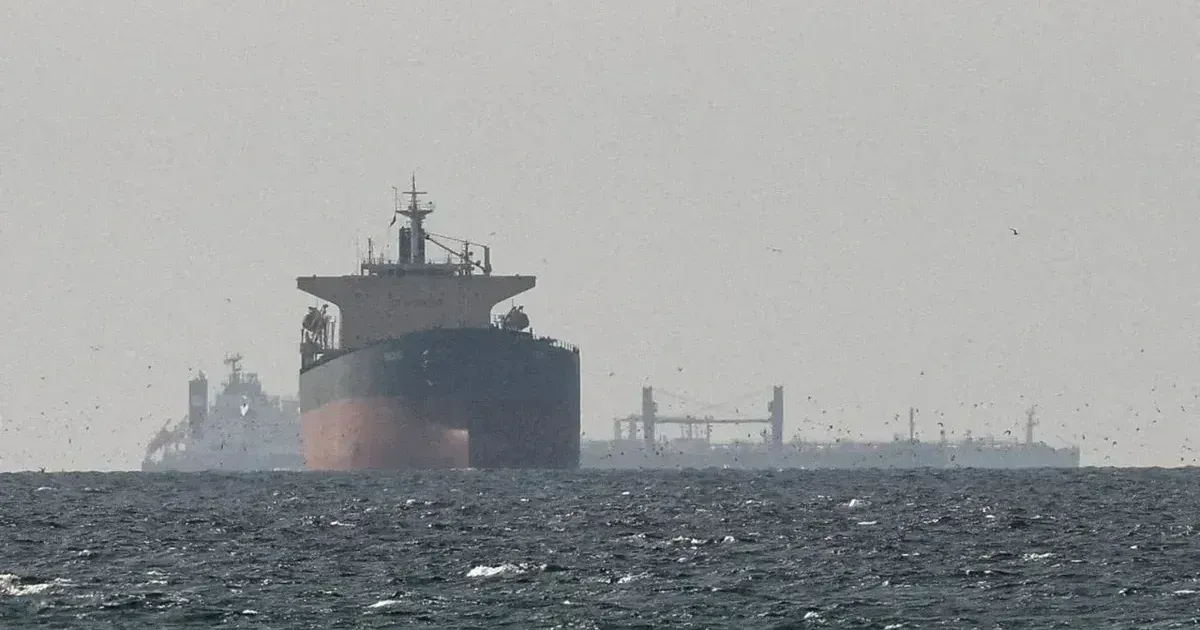
Saudi Arabia is using geography and pipeline capacity to turn the Hormuz crisis into a market advantage. The Red Sea route gives Riyadh an option many Gulf exporters do not have. That logistical edge is now visible in pricing, insurance and customer confidence. Energy buyers are watching whether the rerouting can hold if the conflict deepens. Saudi Arabian energy planners are moving large volumes of crude through internal pipelines to bypass the Strait of Hormuz. Updated logistics reports released on May 1, 2026, show that Riyadh is maximizing its East-West Pipeline to maintain export continuity. While most Gulf producers remain dependent on the narrow waterway, the kingdom is using its Red Sea terminals to gain a substantial revenue advantage over neighboring states. The pipeline choice also changes how buyers view reliability. A cargo leaving from Yanbu avoids the most exposed Gulf transit point, which can reduce delay risk even when benchmark prices remain high. That makes the route valuable for refiners that need delivery certainty as much as a lower headline price. For Japan, the rerouting story intersects with refinery planning because alternative crude grades require operational adjustments. A shipper can find a safer route and still face processing, timing and contract problems at the receiving terminal. Those details explain why energy security is a logistics problem as much as a diplomatic one. Saudi planners can use that reliability argument in contract talks even when benchmark crude prices remain volatile. For Riyadh, that strengthens the case for keeping spare route capacity available.
Yanbu, an expansive industrial hub on the western coast, is the primary exit point for these rerouted barrels. This logistical shift allows Saudi Arabia to avoid the rising insurance premiums and physical threats currently affecting ships in the Persian Gulf. By transporting oil 1,200 kilometers across the peninsula, the state-owned energy company can fulfill European and Mediterranean orders without entering contested waters.
Neighboring exporters such as Kuwait, Iraq, and the United Arab Emirates lack similar overland alternatives of this scale. Revenue figures suggest a widening gap between Saudi Arabia and its regional peers as shipping lanes through Hormuz remain volatile. According to industry tracking data, Riyadh now moves a majority of its daily output via the Red Sea corridor.
"Saudi Arabia is gaining a revenue edge over most of its Gulf Arab neighbors as it is able to divert the bulk of crude exports to the Red Sea," reported NDTV on the current market shift.
Red Sea Advantage
Japan, meanwhile, is pursuing an independent energy security strategy to protect its domestic refining sector. Energy procurement records indicate a return to Russian sources to fill gaps left by Middle Eastern disruptions. Taiyo Oil, a known Japanese refiner, is the latest entity to accept a shipment from Far Eastern ports to bypass the Hormuz bottleneck.
The oil tanker Voyager is scheduled to arrive at the port of Kikuma on Shikoku Island on May 3. Shipping manifests confirm the vessel is carrying Russian crude intended for the Taiyo Oil refinery located at the terminal. Diversifying supply sources helps Tokyo maintain its strategic petroleum reserves despite the instability in traditional trade routes.
Kikuma remains a critical node for Japanese energy distribution. Refineries in the region have adjusted their technical specifications to process various grades of crude as global availability fluctuates. By securing Russian oil, Japanese importers are prioritizing refinery continuity, while analysts note that island economies with few natural resources often weigh supply security against political costs.
Tehran maintains a presence near the Strait of Hormuz, which continues to drive up freight costs for any vessel attempting the passage. Saudi Arabia’s Petroline, however, provides a strategic bypass that limits the impact of these maritime threats on the kingdom’s fiscal health. Total capacity for the East-West line is estimated at 5 million barrels per day, providing a buffer that most Gulf Cooperation Council members cannot replicate. That capacity gives Riyadh room to keep long-haul customers supplied even when Persian Gulf tanker routes become more expensive or politically exposed.
Security along the Red Sea route has therefore become a central focus for energy analysts. The more Saudi exports move from Yanbu toward the Suez Canal, the more global benchmarks depend on a corridor outside the Persian Gulf rather than on tankers passing directly through Hormuz.
Regional Stakes
Will the current infrastructure advantage permanently shift the balance of economic power within the Middle East? The physical geography of Saudi Arabia has long been a strategic asset, but the current crisis has transformed that geography into a decisive financial weapon. While Riyadh collects a premium for its secure supply, its neighbors are forced to absorb the costs of risk and delay. This divergence suggests that the political unity of oil-exporting blocs could be tested by their differing levels of vulnerability to maritime blockades.
Nations that fail to invest in overland bypasses may find themselves sidelined in a world where maritime security can no longer be guaranteed. The Saudi model proves that energy security is now as much about the destination of a pipeline as the volume of the reservoir. For Japan, the decision to return to Russian oil is a pragmatic admission that geography dictates energy policy. In the coming months, the global market will likely see a permanent bifurcation between those who can reach the open ocean and those trapped behind a single, narrow gate.