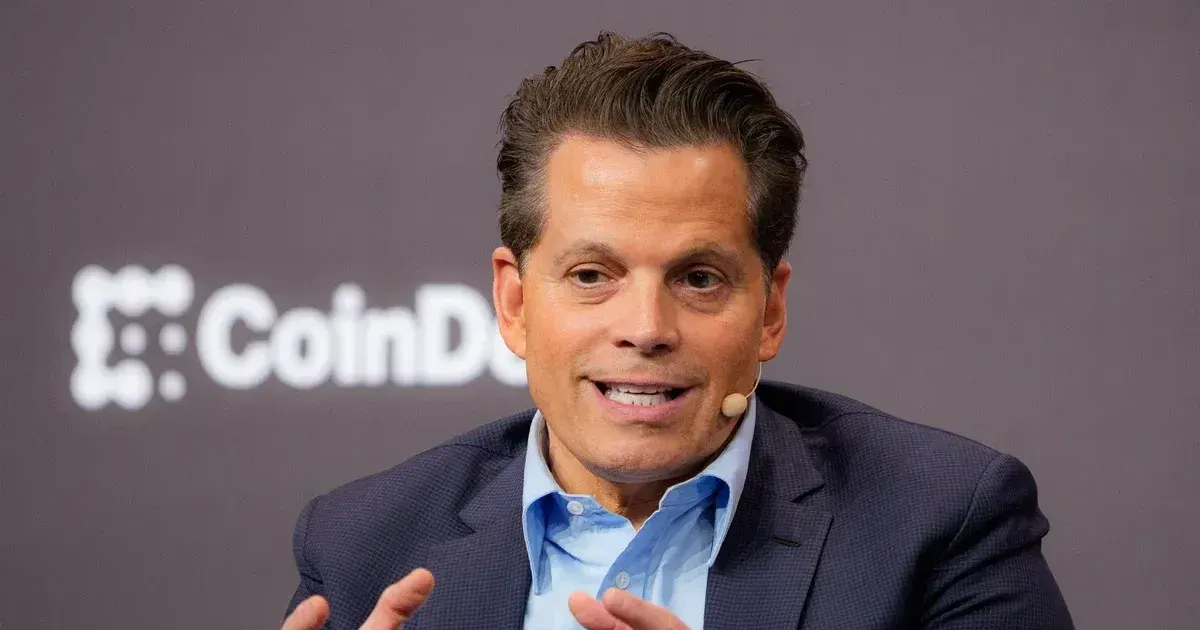
Anthony Scaramucci endorsed the Trump administration's blockade of the Strait of Hormuz, aligning himself with a hard-line maritime strategy that has already raised questions about taxpayer costs and energy prices. His endorsement gives the blockade a political and market-facing defense. For taxpayers, the endorsement matters because it ties military pressure to ordinary prices. The April 15, 2026, debate connected foreign policy to the everyday budget pressures facing U.S. households.
The blockade is presented by supporters as a way to pressure Iran without a larger ground conflict. Critics see it as a risky move that can raise fuel costs, disrupt trade, and pull taxpayers deeper into military spending.
Scaramucci's support matters because he often speaks to financial audiences that watch geopolitical risk closely. His argument is likely to focus on leverage, deterrence, and the belief that a strong maritime posture can shorten the crisis.
Blockade Support Meets Taxpayer Concerns
The timing is politically sharp because tax season makes federal priorities visible. Households do not pay a separate line item for a blockade, but defense operations are funded through the same budget that shapes taxes, deficits, and spending tradeoffs.
Naval deployments are expensive. Ships, aircraft, munitions, maintenance, fuel, hazard pay, and logistics all carry costs. Even if the operation avoids a wider war, it is not financially neutral.
Supporters argue that the cost is justified if the blockade prevents a more dangerous regional escalation. Opponents argue that the policy creates the very escalation risk it claims to manage.
Energy Markets Carry the Signal
The Strait of Hormuz is not an abstract location for energy markets. It is a chokepoint that traders, insurers, refiners, and governments watch constantly. Any sign of prolonged disruption can move crude prices and shipping costs.
Higher energy prices can then reach households through gasoline, groceries, airline tickets, and utility bills. That is why a foreign-policy decision can become a domestic economic issue within days.
Scaramucci's endorsement gives the blockade a financial-world defense, but it does not settle the policy question. The key test is whether pressure produces a diplomatic result before costs spread too widely.
If the blockade remains open-ended, the political burden will grow. Americans may accept temporary costs for a clear objective. They are less likely to accept rising prices and military spending if the administration cannot explain what success looks like and when the operation ends.
Scaramucci's intervention also shows how former political insiders can shape market narratives. When a figure with Wall Street connections defends a blockade, the argument is not only about military strength. It is also about whether investors should view the operation as disciplined pressure or destabilizing risk. That distinction can influence how companies hedge fuel costs, how traders price oil, and how political donors interpret the administration's strategy. The taxpayer frame will keep the issue alive. A blockade can be sold as a limited alternative to a larger war, but limited does not mean cheap. If the operation continues through multiple budget cycles, lawmakers will ask what measurable result it has produced. Supporters need to show that the pressure is moving Iran toward a deal. Critics need only point to higher costs and uncertain timelines. That asymmetry makes the policy harder to defend the longer it lasts. The market reaction will depend on whether the blockade looks temporary, targeted, and disciplined. If it does, investors may treat it as a forceful bargaining tactic. If it looks open-ended, they may price in a wider risk premium across energy, shipping, and defense. That is the distinction Scaramucci's endorsement cannot resolve by itself. Public support from a finance-world figure can shape opinion, but the operational facts will shape costs. Households may not follow maritime strategy closely, but they recognize the effects. A few cents more at the pump, higher delivery costs, and federal spending fights all make the blockade visible in daily life. The administration needs to connect those costs to a concrete outcome. Otherwise, critics can argue that taxpayers are funding a pressure campaign whose benefits remain abstract while its bills arrive in real time. The fiscal debate will sharpen if Congress is asked to approve additional defense money while households face higher energy prices. Supporters will say that maritime pressure is cheaper than a wider war and necessary to protect strategic interests. Critics will ask why taxpayers should finance an operation without a clear end date. Scaramucci's endorsement gives the policy a prominent defender, but the defense still depends on results. If the blockade produces negotiations and lower risk, the argument strengthens. If it produces only higher costs, the political ground shifts quickly. The debate will sharpen if fuel prices rise while officials continue describing the operation as limited and controlled. The administration can still defend the operation, but it has to define success in terms that taxpayers can understand before the costs become the story. If that definition is missing, even supporters will struggle to separate discipline from drift. A vague endpoint would leave taxpayers with the bill and policymakers with the blame.