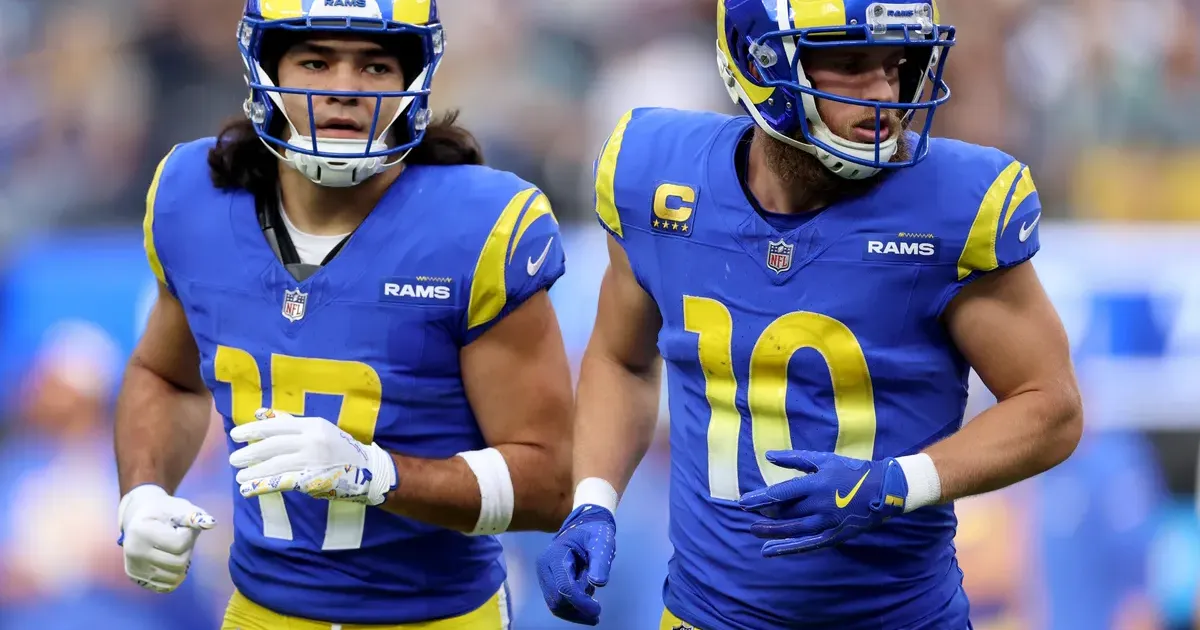
Sean McVay's message on Puka Nacua was carefully balanced because the Rams are dealing with two different questions at once. One is legal: a civil lawsuit alleges that Nacua made an antisemitic remark and bit a woman during a New Year's Eve incident in Los Angeles, allegations his attorney has denied. The other is organizational: how much trust can a team place in a young star when off-field judgment keeps becoming part of the story?
McVay did not need to decide the lawsuit from a podium. He needed to show support without sounding dismissive, and seriousness without treating allegations as verdicts. That is a narrow lane for an NFL coach, especially when the player is one of the offense's core assets and potentially headed toward a major contract conversation.
The Allegations Require Careful Language
The civil complaint is serious. It involves alleged antisemitic language and biting, and it followed earlier scrutiny of Nacua's judgment in public online spaces. Nacua's attorney has denied the accusations, disputed the account and signaled a possible defamation response. A judge also did not grant a temporary restraining order sought in connection with the matter.
Careful wording matters because the public conversation can move faster than the legal record. A lawsuit is not a conviction. A denial is not a dismissal. The responsible frame is to say what has been alleged, what has been denied and what remains unresolved. Anything stronger risks turning a sports story into either character assassination or public-relations cover.
McVay Offered Support With A Boundary
McVay's strongest position is not blind defense. It is the idea that Nacua can be supported while still being expected to grow up quickly. Reports around the Rams described the coach as wanting Nacua to learn from off-field incidents. The phrasing is important. It does not clear him, but it also does not abandon him.
Coaches often speak about accountability in soft terms because they do not want to damage a player publicly. The harder part is making the standard real inside the building. If the Rams treat growth as a slogan, it will mean little. If they connect it to conduct, trust, preparation and contract timing, it becomes part of the team's evaluation.
The Rehab Step Changed The Frame
Nacua's decision to seek treatment at a rehabilitation facility added another layer. It suggested that at least part of the response was personal and behavioral, not only legal. Publicly, he later presented the period as something he needed to learn from and said he was in a better place mentally.
Rehabilitation can be meaningful, but it should not be used as a shortcut. Treatment, counseling or personal-development work matters when it produces durable behavior. It does not make allegations disappear, and it does not remove the need for the legal case to proceed. For the Rams, the question is whether Nacua's response shows maturity that can last beyond the immediate crisis.
Football Value Raises The Stakes
Nacua's production is why this scrutiny lands so heavily. He is not a fringe player the Rams can quietly move past. His route strength, contested-catch ability, toughness after the catch and connection with the quarterback make him central to the offense. A receiver with that profile changes game plans and contract planning.
His value creates the temptation to minimize problems. It also creates the need to confront them. The more important a player is, the more the team has to know whether he can handle the attention, money and behavioral expectations that come with being a franchise piece. Talent gives Nacua a platform. It does not remove the standard.
The NFL Conduct Question Is Still Open
The league can review behavior under its personal conduct framework even when criminal charges are not filed. That authority exists to protect the NFL's workplace standards and public credibility. It is also a source of inconsistency, because civil allegations, public pressure and evidence quality do not always line up cleanly.
If the league acts too quickly, it risks punishment before facts are tested. If it waits too long, it can look indifferent to alleged misconduct. The Rams face a smaller version of the same problem. They can support Nacua, but they cannot make the accusation sound unimportant. They can respect due process, but they cannot pretend off-field conduct is separate from organizational trust.
The Contract Math Now Includes Judgment
For Nacua, the path forward is bigger than one legal outcome. He has to show the Rams that the pattern changes: better judgment online, better choices socially, clearer accountability and no repeat of the conduct questions that have followed him through the offseason. A young star can recover from scrutiny. Repeated judgment failures are harder to price.
McVay's trust is not evidence, and the lawsuit is not a verdict. Both positions can stand together. The facts still matter, and so does Nacua's response to being watched as closely off the field as he is on it. The Rams can support him through the process. They should not let his production turn character into a talking point used only when the cameras are on.