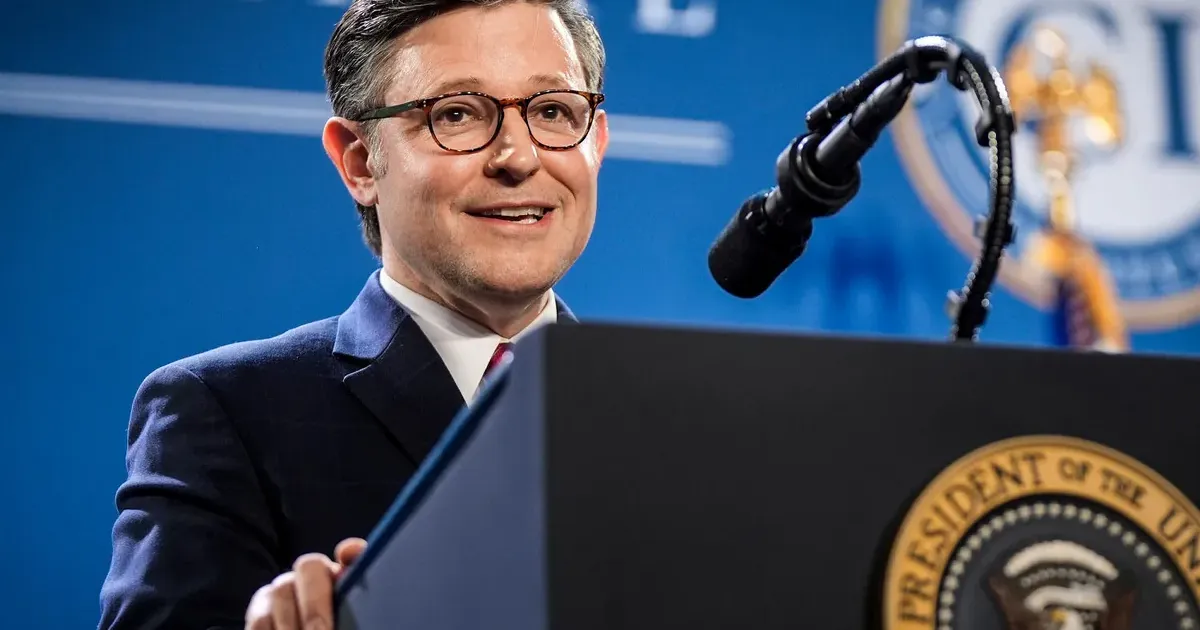
Senate Iran testimony demand now tests whether Congress will treat the Iran conflict as a real war powers issue or a television argument. By March 10, 2026, Democrats were pressing Hegseth and Rubio to explain what the administration is doing, why it is doing it and how far it intends to go.
Senate Iran testimony demand is a test of whether Congress will treat the Iran conflict as a real war powers issue or a television argument.
Oversight Cannot Wait
War powers oversight is most valuable before a conflict becomes too large to question. That means lawmakers should ask about legal authority, targeting limits, casualty risk, allied commitments and the conditions for ending operations. If officials claim those answers are too sensitive to discuss publicly, they should still provide classified detail to the relevant committees.
The Strategy Question
The central issue is not whether Iran poses a threat. It is whether the administration has a strategy that connects military action to a defined political outcome. Without that connection, oversight becomes a casualty of momentum. The demand for testimony is also a fight over timing. Congress often asks hard questions after a war has already acquired its own momentum. By then, the administration can argue that public scrutiny would endanger troops or weaken negotiations. Rubio and Hegseth are central because diplomacy and military planning now have to tell the same story. If their explanations differ, senators will have evidence that the Iran operation is being managed through improvisation rather than policy discipline. The testimony request should also cover allied commitments. If partners are providing bases, intelligence, air defense or maritime support, senators need to know whether those commitments are limited or likely to expand. War powers debates become hollow when lawmakers examine only US strikes while ignoring the support structure that keeps the campaign running. Rubio's role is especially important because diplomacy cannot be treated as a decorative track after the bombing starts. He should explain what off-ramp exists, which intermediaries are active and what terms would count as de-escalation. Hegseth, meanwhile, has to define military risk without hiding behind general confidence. There is also a public record problem. If officials offer only classified briefings, the administration can later claim it informed Congress while voters remain unable to judge the mission. Some details belong behind closed doors. The basic theory of success does not. The committees should also ask for a schedule of review. A war that receives one tense hearing and then runs on autopilot has not been supervised. Regular updates on costs, casualties, strikes and diplomacy would make it harder for officials to redefine the mission quietly as conditions change. If the administration resists public answers, senators should at least force a classified paper trail. Future accountability depends on knowing what officials claimed before the conflict grew, not only how they explained it afterward.
The Burden on Officials
The severe conclusion is that testimony should not become ritual theater. Hegseth and Rubio need to answer plainly.
If the mission is limited, they should define the limit. If the mission is expanding, they should admit that.
Congress does not need slogans. It needs a record that can be tested when the costs arrive.