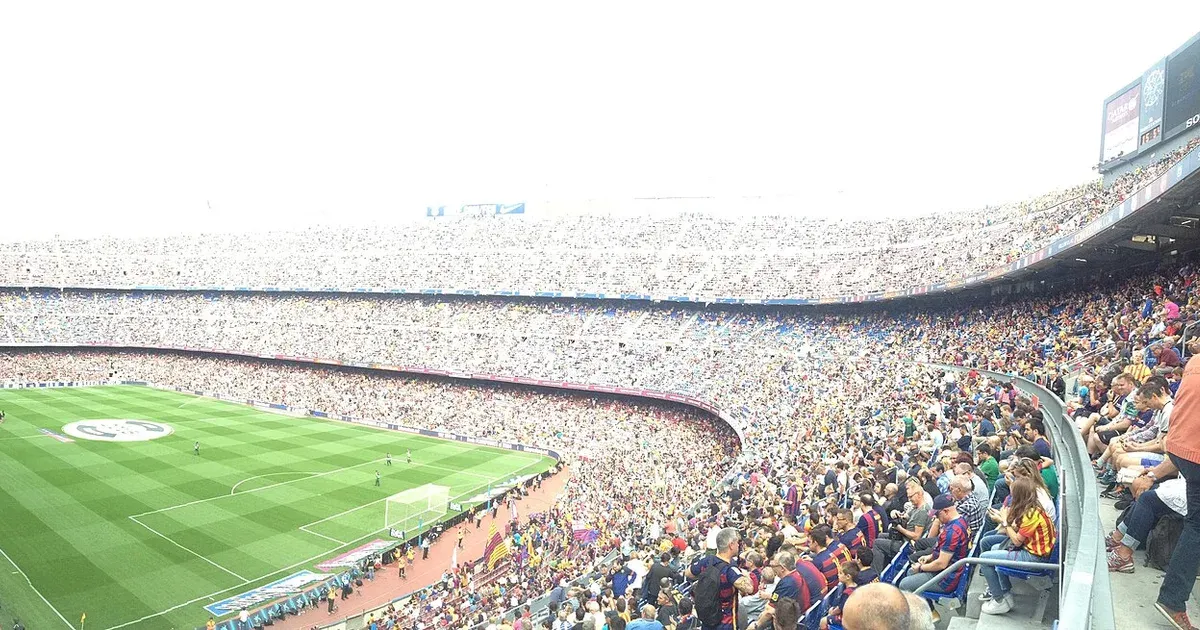
Spain's friendly against Egypt became a legal and football governance test after anti-Muslim chants were heard during the goalless match in Barcelona. Police opened an investigation into possible Islamophobic and xenophobic conduct, while public officials and football leaders condemned the incident. FIFA disciplinary scrutiny also put pressure on the Spanish federation to show that its anti-discrimination rules are more than language in a handbook.
Lamine Yamal's response gave the story wider force. The Spain forward, who is Muslim, said the chants were not aimed personally at him but were still disrespectful and intolerable. Yamal's distinction mattered. The harm was not limited to one player. It was aimed at a religion, an opponent and a stadium environment that football authorities are supposed to control.
The Chants Crossed a Legal Line
Spanish authorities treated the chants as more than bad taste. Police began reviewing what happened inside the RCDE Stadium to determine whether the behavior met the threshold for hate-speech or discrimination offenses. Police involvement matters because football often tries to contain abuse as a stadium-management issue.
Once police are involved, the question moves from crowd control to accountability. The result will depend on evidence, identification and the legal classification of the chants. Public anger alone does not secure a case, but it increases pressure on authorities to prove that the stadium is not a protected zone for discrimination.
Egypt Deserved More Than a Warning
Egypt's players also deserved a match environment where the national anthem, nationality and religious identity were not treated as targets. A friendly cannot function if hostility is allowed to become part of the event. The match was supposed to be a preparation fixture, not a referendum on Spain's crowd culture.
The broader harm pushed the fallout beyond the scoreless result. The incident raised a basic question: who inside the stadium is responsible when abuse becomes audible, repeated and politically charged? If the answer is unclear, the protocol has already failed.
Yamal's Voice Changed the Debate
Yamal has become one of the faces of Spain's football future. His condemnation made it harder for anyone to dismiss the chants as harmless provocation. He did not need to be the direct target for the incident to matter. A Muslim player wearing Spain's shirt heard supporters of his own national team use anti-Muslim abuse against Egypt.
The contradiction is difficult for the federation to explain away. It also showed how minority players can be celebrated for their talent while still being forced to absorb hostility toward their identity. Spain can promote Yamal as proof of a modern, diverse team; it then has to protect the conditions that make that claim credible.
Protocols Mean Little Without Enforcement
Spain and European football have formal anti-racism and anti-discrimination procedures. The hard part is using them quickly and consistently. Announcements, warnings, partial closures and bans only work if offenders believe consequences are likely.
If chants continue without visible intervention, the protocol becomes theater. Federations need better coordination among stewards, police, referees and stadium operators. Everyone cannot wait for someone else to take responsibility while the abuse becomes the soundtrack of the match.
Spain's Image Is on the Line
Football nations are judged by the behavior they tolerate, not only by the trophies they chase. Spain has extraordinary players and a deep football culture. That makes racist or xenophobic incidents more damaging, not less, especially when the country wants to project itself as a major host and global football power.
The federation can apologize, but apology is the easiest part. The real test is identification, bans, prosecutions where warranted and a match protocol that interrupts abuse before it spreads. If Spain wants Yamal, Nico Williams and a diverse national team to symbolize its future, it cannot treat anti-Muslim chants as a temporary embarrassment. It has to make them costly.