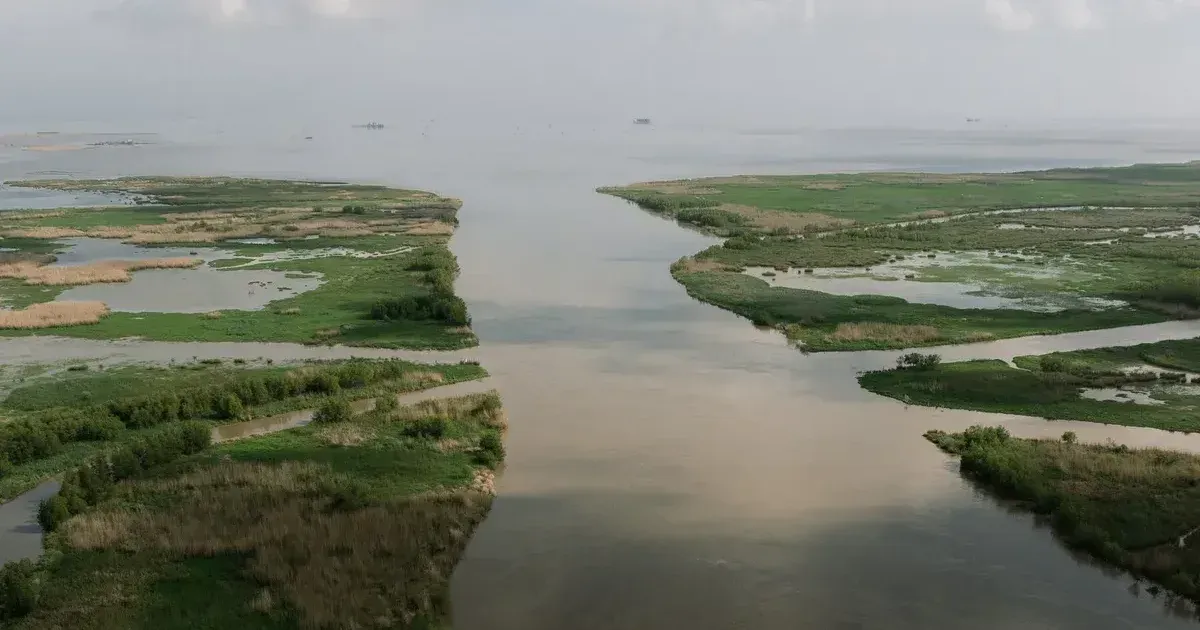
Supreme Court justices ruled that oil giants may transfer dozens of coastal erosion lawsuits from Louisiana state courts to federal venues. Legal analysts noted that the decision effectively halts the momentum of local parishes seeking billions in damages for wetland loss. By April 17, 2026, the ruling had shifted the terrain for coastal-restoration lawsuits and energy-industry liability. Plaquemines Parish and Jefferson Parish led the litigation efforts. Local officials claim that energy firms violated state coastal permits by failing to maintain canals and waste sites. These activities, dating back decades, contributed to the rapid disappearance of the coastline.
Energy corporations including ExxonMobil and Shell argued that their historical activities occurred under federal direction during wartime or through federal leasing programs. Therefore, they asserted that federal judges, rather than local state judges, should preside over the disputes. State courts in south Louisiana often have reputations for being sympathetic to local plaintiffs. Oil industry lawyers frequently cite the perceived bias of local juries as a reason for seeking federal oversight. Federal courts typically apply stricter standards for expert testimony and evidence.
Legal experts observe that federal judges are less likely to entertain broad interpretations of state permit laws. Proponents of the ruling believe it provides a consistent legal framework for an industry that operates across state and international lines. Critics, however, suggest the move isolates corporations from the communities most affected by land loss. Louisiana has lost more than 2,000 square miles of land since the 1930s. Coastal degradation threatens critical infrastructure, including shipping lanes and hurricane protection levees. Records indicate that thousands of individual oil and gas wells are scattered across these sinking marshes.
Plaquemines Parish first initiated these legal challenges under the State and Local Coastal Resources Management Act of 1978. Lawyers for the parish alleged that the dredging of canals for oil exploration allowed saltwater to intrude into freshwater marshes. This process kills the vegetation that holds the mud together. Once the plants die, the soil washes away into the Gulf of Mexico. Parish leaders want the industry to pay for the enormous restoration projects required to stabilize the coastline. Estimates for the total cost of the Louisiana Coastal Master Plan exceed $50 billion over five years.
Industry advocates maintain that the erosion is caused by factors beyond their control. Levee construction on the Mississippi River, which prevents natural sediment from replenishing the delta, is a primary driver of land loss. Global sea-level rise also play a role in the submergence of coastal parishes. Judges in federal court may be more receptive to these complex arguments. State court judges might focus more narrowly on the technical language of the historical permits. The shift in venue is expected to lead to years of additional procedural motions.
"Federal court is the proper forum for these cases because they involve activities that were extensively regulated by federal authorities," stated a legal representative for the energy companies.
Louisiana Coastal Restoration and Oil Industry Liability
Cameron Parish and St. Bernard Parish also joined the litigation, seeking to hold companies accountable for legacy drilling sites. These sites often contain unlined pits where toxic drilling fluids were stored. Saltwater from the Gulf often enters these pits during storm surges, spreading pollutants across sensitive ecosystems. Commercial fishing and oyster harvesting industries depend on the health of these estuaries. Revenue from these sectors has declined as the marsh turns into open water. Oil companies point out that they have paid billions in royalties and taxes to the state over the last century.
Governor and state officials have occasionally been at odds over how to handle the litigation. Some politicians argue that the lawsuits discourage future investment in the energy sector. Others claim that without the funds from these settlements, the state cannot afford to build the necessary marsh creation projects. Diversion projects, which aim to redirect river water into the marshes, require large capital outlays. The Supreme Court ruling limits the ability of parishes to secure quick settlements in friendly local courts. Many of these cases have been stalled in jurisdictional limbo for over a decade.
Federal Versus State Court Environment for Energy Litigation
Judges in the federal 5th Circuit Court of Appeals are generally viewed as conservative and protective of industrial interests. This bench has a history of scrutinizing environmental claims that seek to expand corporate liability. By moving the cases to federal court, the oil giants increase the likelihood of obtaining a dismissal before the cases ever reach a jury. Summary judgment motions are more common in federal practice. State courts often allow cases to proceed to trial where juries can hear emotional testimony from local residents. One study found that parish-level juries are three times more likely to award punitive damages than federal juries.
Maritime law often intersects with coastal litigation, providing another avenue for federal jurisdiction. Many of the dredging activities occurred in navigable waters, which fall under federal oversight. Oil company defense teams used the Federal Officer Removal Statute to argue their case. This statute allows cases to be moved to federal court if the defendant was acting under the direction of a federal officer. During World War II and the Cold War, the federal government exerted significant control over domestic oil production to ensure national security. Defense attorneys argue this creates a federal interest that outweighs local permit disputes.
Economic Consequences for Gulf Coast Infrastructure
Louisiana is the landing point for a significant part of the offshore energy production in the United States. Pipelines running through the marsh transport oil and natural gas to refineries along the Mississippi River. If the marshes disappear, these pipelines become exposed to the open ocean and hurricane-force waves. Maintaining this infrastructure requires a stable coastline. The industry argues that punishing energy companies for erosion would lead to higher fuel prices for consumers. Environmental groups counter that the cost of land loss is already being paid by taxpayers through disaster relief and flood insurance premiums.
Restoring the coast involves pumping sand from the bottom of the Gulf to create new land. Each project costs hundreds of millions of dollars. Without the contribution of the oil industry, the state faces a significant funding gap. The 2010 Deepwater Horizon settlement provided an initial influx of cash, but those funds are nearly exhausted. Future restoration depends on the outcome of the 42 pending lawsuits. Current projections show that without intervention, several more parishes could be largely underwater by 2050. Federal courts will now decide if the companies must participate in the financial burden of these projects.
Coastal Liability Test
The Supreme Court ruling changes venue, not the underlying physical problem along the Louisiana coast. Parishes still face land loss, exposed infrastructure and expensive restoration needs, while energy companies gain a more favorable procedural forum.
The next phase will turn on evidence standards and federal defenses. If the cases narrow in federal court, Louisiana may need to rely more heavily on public funding, negotiated settlements and separate restoration revenue streams.