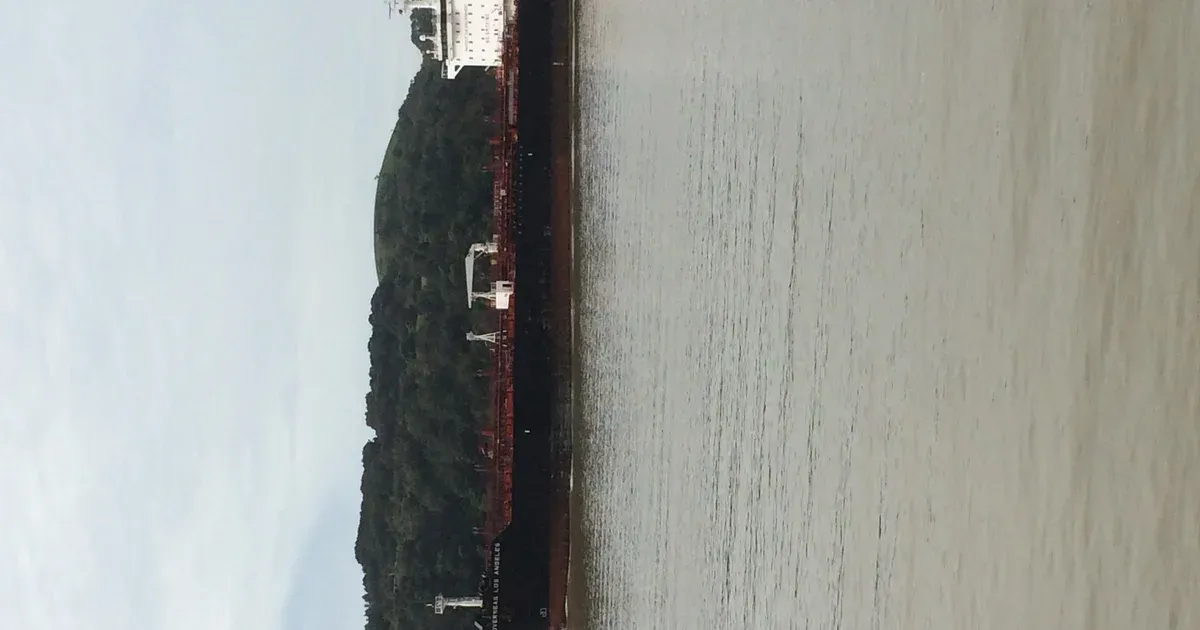
Iranian maritime authorities successfully coordinated the passage of three crude oil tankers through the restricted waters of the Gulf of Oman. The tanker movement tested whether the blockade was still a warning or an active enforcement system. Commercial crews now have to judge whether political messaging has changed the practical risk at sea. Ship-tracking data confirmed the vessels breached the established U.S. blockade line on June 17, 2026. These vessels carried full loads of crude oil, marking a direct challenge to the enforcement protocols established by the U.S. Navy in the region.
Independent monitoring services identified the tankers as they navigated the volatile maritime corridor. The maneuver was executed despite the heavy presence of surveillance assets tasked with maintaining the blockade. Ship-tracking data from multiple sources showed the tankers maintaining a steady course as they crossed the designated military line without immediate interference from naval patrols. Satellite imagery and AIS signals provided consistent evidence of the breach throughout the early morning hours.
Reports indicate the tankers moved with precision to avoid detection by specific radar arrays. The Gulf of Oman is an essential entrance to the Strait of Hormuz, making any movement through its waters highly sensitive to global energy markets. U.S. military officials have historically used this sector to monitor and restrict the flow of Iranian energy exports. This incident marks a shift in the operational dynamics between the two nations in these contested waters.
Maritime Movements in the Gulf of Oman
Naval analysts noted that the timing of the transit appeared calculated to exploit gaps in local surveillance coverage. High-resolution tracking logs showed the three vessels maintaining a tight formation to minimize their combined radar footprint. While the U.S. Fifth Fleet has not released a formal statement regarding the specific tactical response, the successful passage indicates a potential lapse in the containment strategy. The blockade line is generally maintained through a combination of surface patrols and aerial reconnaissance.
Satellite imagery confirms the arrival of the vessels into deep water past the primary interception zone.
Military observers point to the technical sophistication required to bypass such a heavily monitored sector. The Gulf of Oman is one of the most scrutinized bodies of water in the world, with constant data feeds provided to central command centers. Successfully moving three tankers through this environment suggests a high level of logistical planning on the part of Tehran. Naval commanders in the region often rely on rapid response vessels to intercept unauthorized traffic, yet the data shows no such engagement occurred during this transit. Previous attempts to challenge the U.S. blockade line have resulted in active military engagement against commercial vessels.
Three Iranian tankers loaded with crude oil have passed the U.S. blockade line in the Gulf of Oman, according to ship-tracking data reviewed by the BBC World service.
U.S. Blockade Tactics and Sanctions Enforcement
Strategic enforcement of the blockade remains a foundation of the regional policy directed at limiting Iranian revenue. The United States has used these military lines to ensure that crude oil shipments do not reach international markets in violation of existing sanctions. Each successful breach of the line provides Iran with significant financial liquidity. Naval experts suggest that the failure to intercept these tankers could lead to a reassessment of how the blockade is manned and monitored.
Crude oil exports are a primary source of funding for the Iranian government.
Tensions in the Gulf of Oman frequently escalate when tankers attempt to bypass established restrictions. The U.S. Navy typically employs a layered defense strategy, using both manned and unmanned systems to track every vessel entering the area. In this instance, the tankers appeared to move with full knowledge of the patrol patterns. Technical data indicates the ships did not disable their AIS transponders until they had already cleared the most dangerous sections of the blockade. This transparency suggests a level of confidence in the mission's success.
Operational records show that $100 million or more in crude oil value could be contained within these three vessels. Market analysts are now watching for the final destination of the cargo, as this will determine the ultimate impact of the breach. Similar incidents in the past have led to increased naval deployments to reinforce the blockade line. The current situation leaves the U.S. Navy in a position where it must account for how these large vessels slipped past its primary defenses.
Internal documents from maritime security firms suggest that the tankers are currently heading toward international waters. The transit was completed just before noon local time. No further vessels have been detected following the same path. Data from the tracking services shows the ships have now increased their speed as they distance themselves from the Gulf of Oman blockade zone. The tankers also create a signaling problem for Washington. If they pass without consequence, the blockade looks weaker. If they are stopped, the confrontation could return to the kind of maritime flashpoint the ceasefire process was supposed to reduce. Gulf shipping firms will also study whether the tanker movement changes escort patterns or insurance assumptions. A blockade can exist on paper, but commercial behavior shows whether captains believe the risk is enforceable. Regional commanders will also watch whether the tankers travel with escorts, switch transponders or alter routes after public attention fades. Those operational details will reveal how much confidence Tehran has in the ceasefire framework. If Washington answers with restraint, Tehran may test the line again. If Washington answers with force, shipping firms may treat the waterway as unstable despite the ceasefire language. That tension is why the tanker route matters beyond the cargo itself.