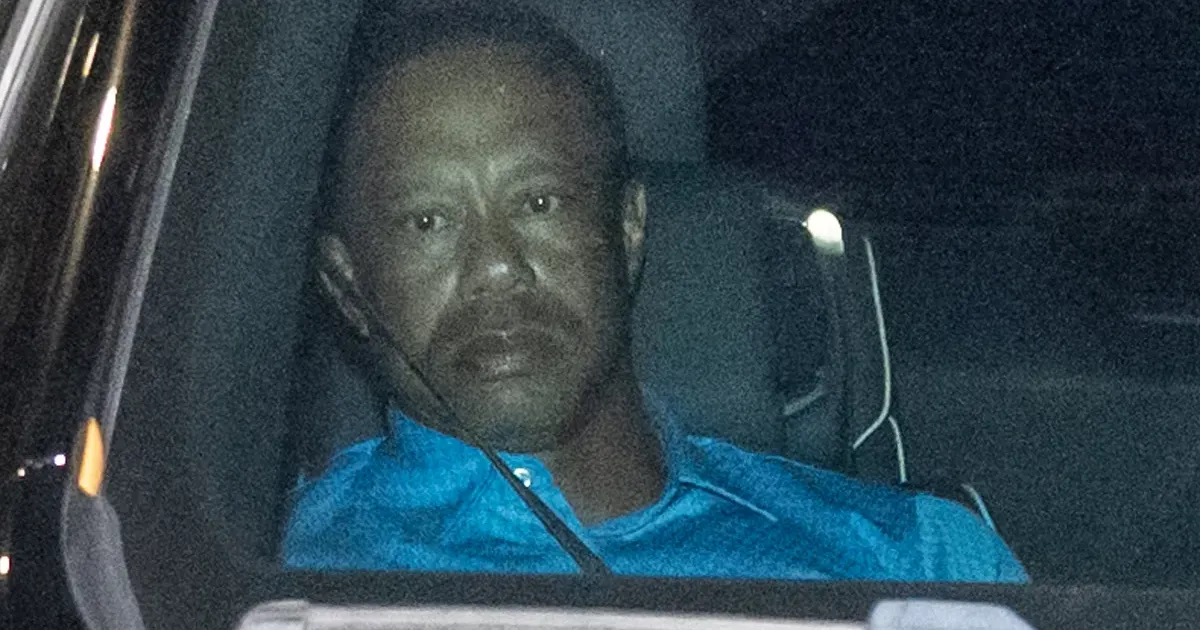
Tiger Woods' March 2026 DUI arrest changed Masters week before the tournament could settle into its usual rhythm. The legal facts were serious and still unresolved: Woods was arrested after a rollover crash near Jupiter Island, no injuries were reported, a breath test showed no alcohol, and authorities said he refused a urine test while facing DUI-related charges tied to alleged impairment, property damage and refusal to submit to lawful testing.
The arrest turned a golf story into a coverage problem. Woods was not simply another past champion missing from the field. He remained the sport's most reliable attention magnet, a player whose name could shape a broadcast even when his body and form made contention unlikely. Once he stepped away and did not attend the Masters, Augusta and its media partners had to decide how much space an absent star's legal trouble deserved inside a tournament built on control, tradition and competitive calm.
Augusta Could Not Treat Him as Ordinary
The Masters has always managed its atmosphere tightly. The controlled atmosphere makes any Woods controversy awkward. Ignoring the arrest would have looked evasive because viewers understood why his absence mattered. Letting it dominate would have pulled attention from the players actually competing and from the tournament's carefully protected identity.
The narrow lane was obvious but difficult: acknowledge the legal facts, explain the absence, avoid speculation beyond the record and return to golf. The approach sounds simple until the subject is Woods. His career has never been a normal sidebar. The Masters and Woods have been tied together for nearly three decades, from dominance to injury comebacks to the 2019 victory that restored his competitive mythology.
Broadcasts Had to Separate Three Stories
The coverage risk was sloppy compression. Woods' 2026 arrest, his 2017 DUI case involving medication, his 2021 crash and his long injury history all sit near one another in public memory. They are related in reputation, but they are not the same legal or medical story.
Good television had to resist flattening them into one montage of downfall. The 2026 case had its own record: no reported injuries, no alcohol on the breath test, alleged impairment signs, refusal of a urine test and pending charges. The medical story concerned pain, surgeries and treatment. The sports story concerned an absent five-time Masters champion. Mixing those strands carelessly would have made the coverage louder and less accurate.
Sponsors Faced a Quieter Calculation
Sponsors did not need a broadcast script. They needed risk control. Woods' commercial value has survived scandals because his golf identity is enormous and his comeback story has repeatedly restored emotional goodwill. But every new incident forces partners to decide whether patience still reads as loyalty or begins to look like denial.
The Masters calendar made the sponsorship decision harder. Tournament advertising, hospitality and promotional plans are built long before a late-March arrest. Companies cannot remake a week overnight. They can, however, reduce emphasis, avoid fresh celebratory creative, pause certain activations and wait for legal clarity before deciding whether a deeper brand response is needed.
The Tournament Was Bigger Than the Absence
One important boundary still had to hold: the Masters was not Tiger Woods' legal proceeding. The tournament had a field, storylines, pressure and a champion to produce. Over-centering an absent player would have shortchanged the competition and the players who earned the week.
Augusta's best posture was controlled acknowledgment. The event could not pretend Woods was ordinary, but it also could not let his absence become the tournament's organizing idea. The Masters brand is built on continuity. Its response to scandal is usually to absorb the interruption and make the golf feel larger than the noise.
The Brand Problem Is the Pattern
The Woods case is no longer only about whether a legendary golfer can recover from injuries. It is about whether the public will keep separating the golfer from the pattern around him. The pattern does not justify a rush to judgment. The legal process matters, and the facts should stay precise. Precision cuts both ways: no injuries and a negative breath test matter; refusal testing and impairment allegations matter too.
Woods' legend is large enough that each incident becomes part of the official memory. At some point, comeback storytelling stops protecting the brand and starts reminding people why the brand keeps needing rescue. The pattern was the real Masters-week risk. Augusta could move on because the tournament is bigger than any one player. Woods' harder problem is that his absence still made the week about damage control.