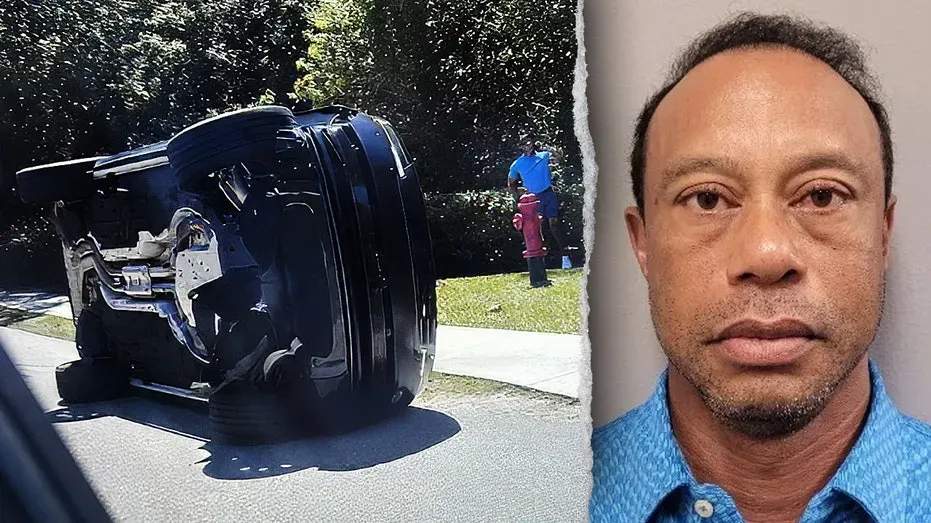
Tiger Woods's Florida DUI case has moved from the crash scene into the evidentiary stage. The March 27 rollover near Jupiter Island already gave prosecutors a public narrative: a damaged SUV, deputy observations of possible impairment, two hydrocodone pills reportedly found in Woods's pocket, 0.000 breath tests and a refused urine test. The July development sharpened the legal fight. A Florida judge ruled that prosecutors may review hospital records related to Woods's treatment after the crash, under a protective order that limits who can see the material.
Woods has pleaded not guilty. The not-guilty plea matters. The affidavit, medical records and prescription history are pieces of a prosecution case, not a verdict. The legal question is whether the state can prove impairment while driving. In a case with no alcohol reading, that burden moves toward officer observations, body-camera footage, prescription evidence, medical records and the consequences of refusing a lawful drug test.
The Crash Created the First Narrative
Authorities say Woods's vehicle struck a truck's trailer while he was attempting to pass near his Jupiter Island home, then rolled onto its side. No injuries were reported, but the crash pattern quickly became part of the impairment inquiry. A property-damage DUI case does not require a catastrophic injury to become serious. The state has to show unsafe driving tied to impairment, and a rollover gives prosecutors a visible starting point.
The defense has room to contest that story. Woods reportedly said distraction from his phone and radio played a role. His long injury history also matters because physical limitations can affect balance, movement and field sobriety performance. A crash can support suspicion; it does not by itself prove that medication impaired the driver.
The Affidavit Gives Prosecutors Their Frame
The arrest affidavit described signs deputies associated with impairment: sweating, lethargy, bloodshot or glassy eyes, dilated pupils and difficulty with field sobriety exercises. Those details are important because the breath tests reportedly showed no measurable alcohol. In a drug-impairment case, officer testimony and video often carry more weight than they would in a straightforward alcohol case with a clear blood-alcohol reading.
The same evidence is where the defense will push. Field exercises can be affected by age, injury, stress after a crash, medication taken legally, lighting, road conditions and instructions. The state will try to connect the observations to impairment. Woods's lawyers will try to separate them from criminal proof.
Hydrocodone Changes the Evidence Fight
Reports say two pills identified by markings as hydrocodone were found in Woods's pocket. Hydrocodone is a prescription opioid used for pain and can cause drowsiness, slowed reaction time and impaired coordination. For Woods, the reported discovery collides with a public biography built around surgeries, chronic pain and attempts to return to competition after severe injuries.
The prescription question is legally narrow. Having a prescribed medication is not the same as driving impaired. But a valid prescription also does not excuse driving if the medication makes a person unsafe behind the wheel. Prosecutors therefore sought prescription and hospital records. They want to understand what he had, what he may have taken, and whether the medical evidence supports the observations at the scene.
The Refused Urine Test Carries Independent Weight
Woods reportedly provided breath samples that read 0.000 but refused a urine test after being read Florida's implied-consent warning. In a suspected drug-impairment case, that refusal matters because urine or blood evidence may be the clearest way to identify substances in the body. Refusal can also carry its own legal and administrative consequences separate from the DUI allegation.
The refusal does not automatically prove impairment. It does, however, give prosecutors a procedural argument and deprives both sides of a clean toxicology result. The missing toxicology result can make the trial more dependent on circumstantial evidence: video, deputy testimony, crash reconstruction, medical records and prescription history.
Medical Records Raise Privacy and Proof Questions
The July 2 ruling allowing hospital records to be handed to prosecutors is significant because it expands the evidence beyond the roadside encounter. The records relate to Woods's treatment after the crash at Cleveland Clinic Martin South, and access is limited by a protective order to prosecutors, law enforcement, experts and the defense.
The protective order reflects the tension in the case. Prosecutors argue the records may help prove or disprove impairment. The defense has a privacy interest in sensitive medical information. The judge's ruling does not make the records public and does not decide guilt. It gives the state another route to test the case it intends to bring.
The Public Story Is Now Secondary to the Court File
Woods's reputation, sponsors, golf schedule and treatment decision will keep drawing attention, but the case will turn on court rules. The strongest public narrative may not be the strongest legal argument. A crash, pills and a refused test create pressure. The prosecution still has to meet its burden, and the defense still has ways to challenge causation, impairment and the interpretation of medical material.
The evidentiary burden is the serious part of the case. Fans can talk about comebacks, chronic pain and a career shaped by injury. The court will ask a narrower question: whether Woods was impaired while operating a vehicle and whether the evidence proves it beyond the required standard. The answer will come from records, video, testimony and rulings, not from sympathy or celebrity fatigue.