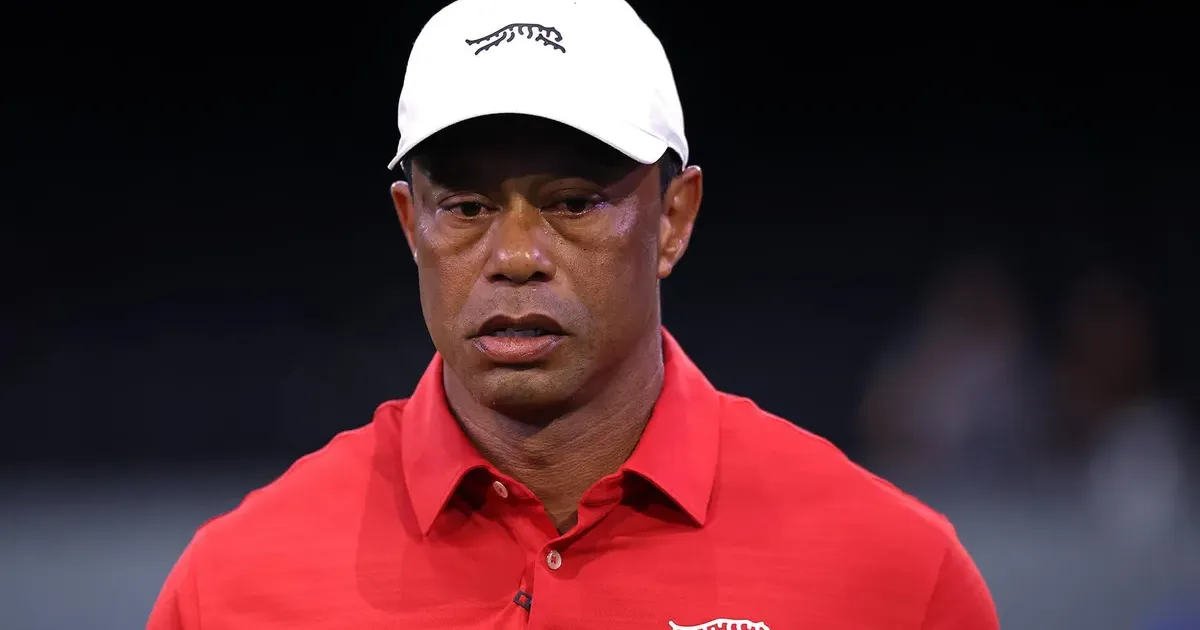
Tiger Woods' absence from the 2026 Masters was not another routine injury footnote. It followed a March 27 rollover crash in Florida, DUI-related charges, a not-guilty plea and his decision to step away from golf to seek treatment. The sequence forced golf to confront something it has spent years avoiding: not every Tiger Woods setback can be converted into a comeback package.
The competitive effect at Augusta was limited. Woods was no longer a favorite to win. His body had already made that clear through surgeries, reduced schedules and repeated withdrawals. The symbolic effect was much larger. Masters week still bends around Woods whenever there is even a possibility that he might appear. Without him, the sport had to decide whether it could sell the present without leaning so heavily on its most powerful memory.
The Legal Frame Requires Care
Woods was charged after the crash and pleaded not guilty. Authorities said he showed signs of impairment, while reporting also noted that a breath test did not show alcohol and that prescription pain medication was part of the public record around the case. The legal distinctions matter. Golf coverage should not write a verdict before a court does.
But caution does not mean pretending the episode is only a private matter. Woods is a global public figure, a major commercial force and a PGA Tour power broker. A crash, charges, treatment and withdrawal from a major all affect the sport around him. The responsible framing is neither tabloid certainty nor corporate silence. It is legal precision with no attempt to launder the seriousness away.
Treatment Cannot Become a Countdown Clock
Woods' statement that he would seek treatment changed the tone of the story. Golf has long processed his injuries through heroic recovery language: surgery, rehab, pain, comeback, ovation. The comeback reflex is dangerous here. Treatment is not a training block. It is not content for a sponsor montage. It is a health decision that should not be treated as the first chapter of the next Masters promo.
A human boundary remains. Woods is not only a ratings asset or a nostalgia engine. His public life has repeatedly collided with private damage, physical pain and intense scrutiny. The sport can care about him without demanding a timetable.
Augusta Lost Its Default Center
The Masters has other stars, but Woods remains its strongest memory machine. The 1997 breakthrough, the green jackets, the chip-in at 16, the 2019 comeback and decades of broadcast mythology remain part of Augusta's modern identity. Even when Woods is not a contender, his presence changes practice rounds, promotional language, sponsor attention and galleries.
His absence forced the tournament to lean harder on the current field. The focus on the current field is healthy, even if it is uncomfortable. A sport with elite younger players should not need a 50-year-old legend in personal crisis to feel commercially complete. Augusta can honor history. It cannot let history become the whole product.
Sponsors Need a Different Emotional Shortcut
For networks and sponsors, Woods has long been the cleanest emotional shortcut in golf. He connects older fans, casual viewers and sports history in a way no active player fully matches. The commercial dependence is brittle. Every campaign built around the possibility of one more Tiger moment carries risk when his body or personal life changes the plan.
Golf needs more distributed star power, stronger rivalries and a better reason for viewers to care about players who are healthy enough to contend every week. Scottie Scheffler, Rory McIlroy, Ludvig Aberg, Collin Morikawa, Xander Schauffele and others cannot all be sold as replacement Tigers. They need their own stakes and conflicts. The sport has been slow to build that language because Woods made nostalgia so easy.
The Open Absence Shows the Pattern
By the time the 2026 Open field took shape, Woods was again among the major names missing. That absence reinforced the same reality. The issue is no longer whether he can summon a ceremonial appearance. It is whether golf can stop organizing its emotional calendar around the possibility.
The answer has to be yes. Woods' competitive era ended before golf was willing to admit it. What remains is a profitable echo, and the echo has become unfair to everyone involved: to Woods, to current players and to audiences asked to keep treating absence as suspense.
Golf Has to Let the Era End
The necessary conclusion is simple. Tiger Woods deserves space to address his health and legal situation without being immediately reinserted into a broadcast arc. Golf deserves a future that does not depend on hoping he walks through the gates one more time.
That does not diminish what Woods built. It respects it by refusing to cheapen it. The sport can honor the greatest figure of its modern era while finally admitting that the era is over competitively. Augusta moved on for a week because it had to. Golf should learn how to do that without waiting for another crisis to force the lesson.