Tiger Woods' bodycam reference to speaking with the president raised perception issues, but the crash case still turns on evidence and court records. The detail surfaced in footage from Woods' March 27 rollover crash in Jupiter Island, Florida, where he was later arrested on DUI-related charges.
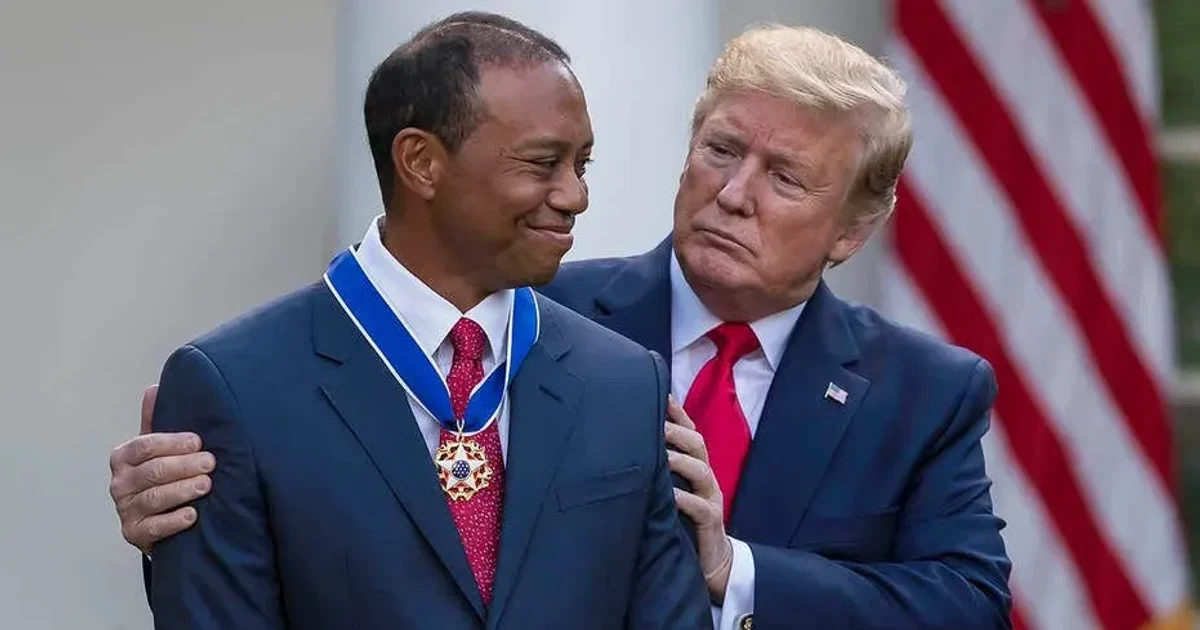
The line drew attention because Woods has a public relationship with Donald Trump, including past golf ties and the Presidential Medal of Freedom. Trump also later acknowledged speaking with Woods after the crash. The relationship makes the bodycam detail newsworthy, not proof of influence.
The verified sequence is narrow: Woods made the reference during the police encounter, the footage shows the interaction, and any claim of special treatment would require separate evidence from officer conduct, communications, filings or prosecutorial decisions.
Bodycam footage created the headline
Bodycam video often turns a legal story into a set of vivid moments. In this case, the presidential reference traveled quickly because it combined celebrity, politics and a roadside arrest. Viewers could see the scene rather than only read an affidavit.
The immediacy of video can distort scale. A line from a stressed encounter can become larger than the charges, the test results or the court process. The footage is part of the record. It is not the whole record.
The legal case remains separate
Woods was charged after the crash, pleaded not guilty and requested a jury trial. Reporting has described a negative breath-alcohol test, a refused urine test, officer observations and medication-related issues that prosecutors may try to use in building the case.
The reported facts carry different legal weight. A negative alcohol test does not end a possible drug-impairment case. A refused test can carry its own consequences under Florida law. Field observations and bodycam video may support or weaken arguments depending on how the court handles them.
Medical details require restraint
Woods' injury history and treatment needs are relevant only where the record supports them. Reports have described prescription medication issues and court-approved treatment travel. Footage cannot support a diagnosis, and medical care should not be turned into spectacle.
Privacy does not erase accountability in a driving case. It does require precision. If medical records enter the case, the court ruling and limits on access will determine what becomes public. Woods' fame does not make every health detail public property.
The Trump link raises perception risk
The political connection matters because legal systems also depend on public confidence. A celebrity defendant who can call the president will naturally draw scrutiny from viewers wondering whether access changes treatment.
Scrutiny of the political connection is legitimate, but it has to remain evidence-based. The bodycam line creates a perception issue. It does not prove influence. Special treatment would need proof: unusual officer decisions, documented pressure, altered charging choices or communications that changed procedure.
Fame makes the case louder
Woods' career, injuries, relationships and public history all pull the crash into larger narratives. His fame allows a single sentence in bodycam footage to dominate public attention. Fame also increases the risk of lazy inference.
A known relationship with Trump does not automatically mean corruption. A powerful contact does not automatically mean equal treatment either. The only serious way through the tension is to keep the timeline, charges and evidence visible.
The court record has to lead
The bodycam detail adds context, not a verdict. The crash, the refused test allegation, the officer observations, the defense response and any admissible medical evidence will shape the legal path.
If special treatment occurred, it should be proved. Without that proof, the political connection remains a perception issue rather than evidence of influence. The Woods case is already serious enough: a crash, an arrest, public safety concerns, medical privacy and a defendant whose fame makes every detail louder than ordinary procedure.