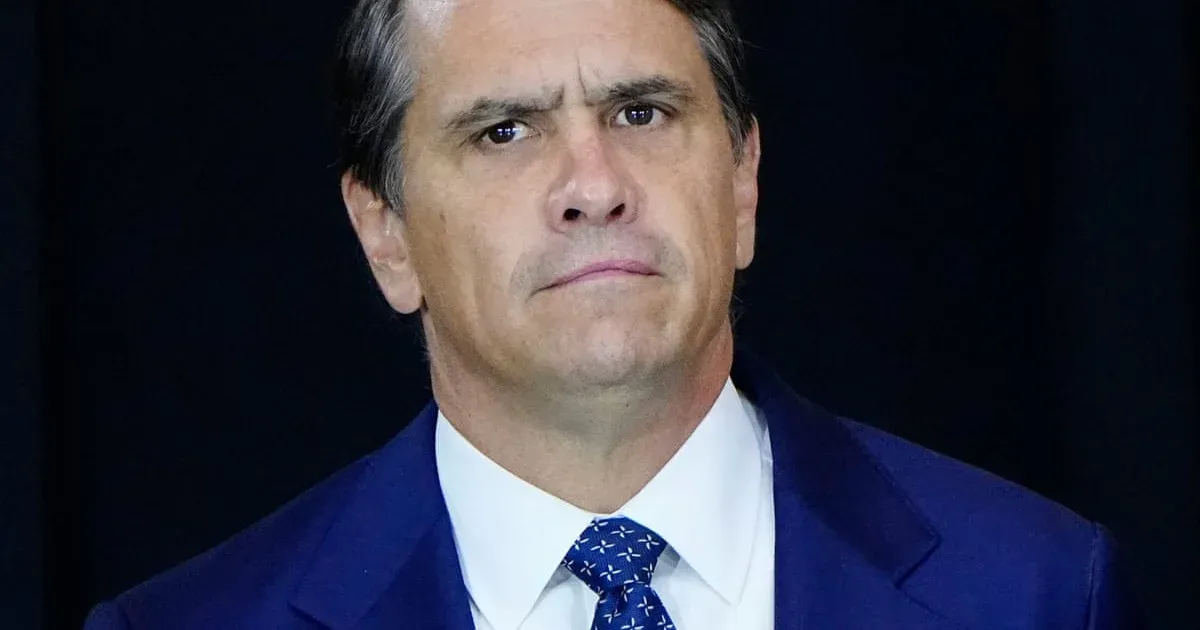
Todd Blanche's path to lead the Justice Department has stalled at a Senate committee vote that Republican leaders expected to hold this week. The delay came from inside the president's party, where John Cornyn of Texas and Thom Tillis of North Carolina demanded written changes to a settlement between Donald Trump's family and the Internal Revenue Service. No replacement date has been announced.
Republicans withdrew the scheduled vote late on July 29, 2026, before the committee could advance Blanche's nomination. NBC News reported the following morning that the two senators' objections had prevented the proceeding. The Justice Department sent them a new proposal, but the dispute had not been resolved when the vote was removed from the calendar.
The postponement creates a new stage in Blanche's attorney-general nomination. The question is no longer limited to his qualifications or his relationship with Trump. Committee action now depends on whether the administration is willing to narrow terms that Cornyn and Tillis say could shape the president's future tax exposure and payments to political allies. The June nomination established the candidate; the withdrawn vote identifies the unresolved condition that now controls his progress.
Written Demands Put the IRS Settlement Inside the Confirmation Fight
The senators are focused on two provisions. First, they want a written commitment that the settlement's so-called Anti-Weaponization Fund has been terminated. NBC described the fund as a possible route for compensating Trump allies. Second, Cornyn wants any tax protection confined to audits that already exist, leaving later tax filings open to examination. Ending the fund and limiting the audit language are separate demands, so an answer to one would not automatically satisfy the other.
Those demands turn the postponed vote into a test of specific legal language. A general assurance that the fund is inactive would not answer Cornyn's request about future filings. The senators are asking the Justice Department to define the settlement's reach in writing before they allow the nomination to proceed. The absence of a new vote date shows that the proposed terms have not yet secured their support.
Cornyn accused the Justice Department of withholding the information needed to reach a conclusion. Blanche sits at the center of the impasse because he is the nominee whose confirmation cannot move until the settlement question is answered. The department's new proposal is therefore the operative document, although its wording had not been made public in the reports.
The sequence also shows why the form of the assurance matters. Cornyn and Tillis did not ask only for another public statement; they requested commitments in writing. The Justice Department answered with a revised proposal rather than a new vote date. That exchange leaves a document under negotiation and a nomination waiting behind it, with the precise scope of future tax protection still at issue.
The Next Vote Depends on Text, Not Party Endorsements
Trump continued to praise Blanche and suggested Cornyn might be acting out of frustration because the president had not endorsed him. Cornyn dismissed the president's account. NBC reported that both senators will sit out the November ballot and said that circumstance gives them more political room to oppose the president. Their objections therefore remain attached to the settlement terms they specified, not to an immediate campaign in which a break with the White House would need to be defended to voters.
The committee delay does not defeat the nomination, but it removes the administration's expected timetable. Republican control can advance a nominee only when the votes are available at the moment the committee meets. Here, two Republican holdouts converted settlement language into a procedural stop before a roll call could occur. The cancellation is the measurable result; claims about an inevitable confirmation are now ahead of the evidence.
The path back to a vote is concrete: the Justice Department must produce language that satisfies the senators or Republican leaders must find another way to assemble support. Until one of those conditions is met, describing Blanche as the likely next attorney general skips the unresolved gate in front of him. The nomination remains active, but the calendar now belongs to the dispute over the IRS deal.