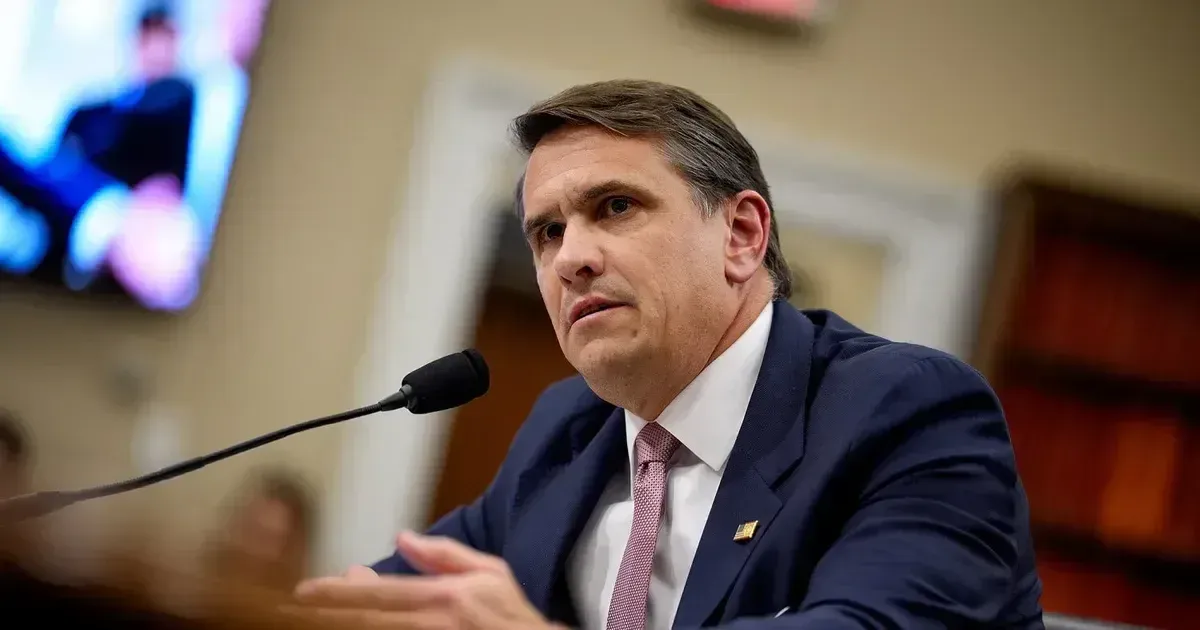
Donald Trump officially nominated Todd Blanche to the position of attorney general on Tuesday, signaling a desire to transition his former personal lawyer from an interim role to a permanent cabinet post. The nomination gives the Senate a direct test of how far Trump can move loyal legal advisers into permanent law-enforcement power. The White House issued the formal notification to the Senate on June 9, 2026, following months of speculation regarding the future of the Department of Justice leadership.
Blanche, 51, has managed the department in an acting capacity since the departure of former Attorney General Pam Bondi. Records show Bondi stepped down in April, leaving a vacancy that the administration initially filled with Blanche due to his close professional ties to the president and his familiarity with the administration's legal priorities. Senate confirmation would grant him the full statutory authority required to oversee federal law enforcement agencies and long-term litigation strategies.
Acting leadership has characterized much of the current executive branch, yet the move to formalize Blanche indicates a focus on institutional stability for the remainder of the term. Supporters within the administration argue his experience in the role over the last two months demonstrates his capability to manage the 115,000 employees of the department. Critics, however, point to his history as a personal defense attorney for the president as a potential conflict for an agency that historically maintains a degree of independence from the White House.
Blanche Moves from Personal Counsel to Justice Head
Legal career paths for attorneys general often include time as federal prosecutors or judges, but the professional trajectory of Todd Blanche centered largely on high-stakes white-collar defense. Before his entry into the public sector, he represented Donald Trump in various criminal and civil matters, a background that sparked early debate when he was first named to the acting role. This transition from private advocate to the nation's chief law enforcement officer is a central point of contention for opposition lawmakers.
Senate Judiciary Committee members expect a disputed confirmation process. Al Jazeera reports that the nomination is likely to trigger a serious legislative fight, given the nominee's involvement in past legal defenses that directly involved the president. Committee members have signaled they intend to query the nominee on his previous work and how it might influence his handling of current federal investigations. The committee has not yet set a date for the initial hearing, though legislative calendars suggest a late-summer schedule.
According to a report from NDTV, Blanche has pursued a number of indictments against political opponents since he began leading the department in an acting capacity in April.
Public records indicate the department has increased its focus on specific political cases since the changes in leadership. These actions have drawn scrutiny from legal experts who monitor the impartiality of the justice system. While some allies of the president view these indictments as necessary corrections to past overreach, opponents characterize the moves as a weaponization of federal power. The specific nature of these cases will likely dominate the questioning during the Senate confirmation hearings.
Allegations of Political Motivations in Recent Indictments
Controversy involving the Epstein files and the January 6 investigations has also trailed the nominee during his tenure as acting attorney general. Reports suggest that internal decisions regarding the handling of these sensitive records have created friction within the department. Disagreements over transparency and the release of documents to congressional oversight committees persist as Blanche prepares for his formal vetting by the legislature. These issues represent major hurdles for a nominee who needs to secure a majority vote in a divided Senate.
Legislators from both parties have expressed interest in the nominee's stance on departmental independence. Some Republican senators have indicated they will support the nomination to ensure the president has his preferred team in place to carry out his agenda. By contrast, several moderate lawmakers have remained silent on their voting intentions, waiting for the public testimony to assess whether Blanche can separate his past role as a personal lawyer from his duty to the Constitution. The outcome of the vote remains uncertain as partisan lines harden.
Previous attorney general confirmations have often lasted several weeks from nomination to the final floor vote. The administration has urged the Senate to move quickly, citing the need for a permanent leader to address rising crime rates and border security litigation. Despite the pressure from the executive branch, the Senate Judiciary Committee usually maintains a deliberate pace for cabinet-level positions of this magnitude. This procedural tension will define the relationship between the White House and the Senate in the coming months.
Blanche Nomination Tests DOJ Independence
Formalizing a former personal attorney as head of the Department of Justice would reshape the legal landscape. The elevation of Todd Blanche is a shift toward a model where the attorney general is seen primarily as an extension of the executive will. The move could diminish the enduring norm of the department acting as an independent arbiter of the law, potentially leading to more frequent challenges regarding prosecutorial bias. If confirmed, Blanche will possess the authority to direct federal resources toward specific investigations that his predecessors might have avoided for the sake of neutrality.
Such a change would likely invite increased judicial oversight and a flurry of motions from defendants claiming selective prosecution. The long-term stability of the Department of Justice depends on whether the public perceives its actions as grounded in law or driven by political allegiance. A confirmed Blanche will face the immediate task of proving he can uphold the institutional integrity of an agency that is currently at the center of the nation's most heated political conflicts. Confirmation hearings will therefore test not just Blanche’s resume but the Senate’s appetite for an attorney general whose public identity is tied so closely to Trump’s defense orbit. The Justice Department workforce will also watch whether Blanche separates political loyalty from daily prosecutorial management. That distinction will shape morale inside offices already used to rapid leadership changes.