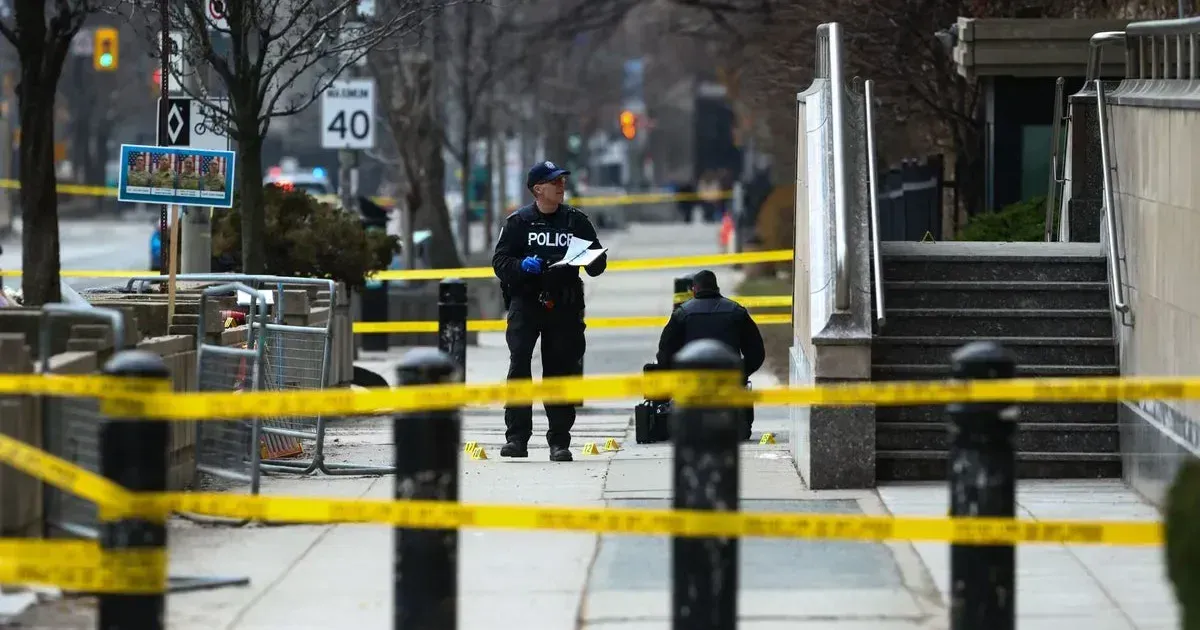
Toronto police are mourning officer Marc Pinizzotto after he was shot during an early morning search warrant tied to the investigation of a March attack on the U.S. Consulate. The 43-year-old officer was a member of the Emergency Task Force and had served with the Toronto Police Service for 18 years. The line-of-duty death was confirmed on June 11, 2026.
The warrant was executed near Trethewey and Black Creek drives in the city's northwest end. Police said gunfire broke out at about 5:42 a.m., leaving Pinizzotto critically injured before he was taken to Sunnybrook Hospital.
Chief Myron Demkiw said the operation was one of several search warrants connected to a broader investigation into shootings, including the March incident at the U.S. Consulate on University Avenue. One suspect was in custody and taken to hospital, while police were still searching for 19-year-old Zara Jabbi, whom they described as armed and dangerous. That split between an arrest and an outstanding suspect is central to the public-safety risk.
"No words can capture the impact on Marc's family," Demkiw said.
The wording matters because early accounts can easily overstate what police have proved. The confirmed link is that the raid was part of the U.S. Consulate shooting probe. Police had not publicly established that every person connected to the warrant was responsible for the March attack, and the outstanding suspect should be described as a suspect unless charges and evidence are specified.
What Police Confirmed About the Raid
Pinizzotto was shot while officers were executing the warrant at the residential location. Global News reported that he was pronounced dead at Sunnybrook Hospital, and police identified him as a veteran officer with extensive service in the Emergency Task Force.
The immediate public-safety concern was the search for Jabbi. Police urged the suspect to turn himself in and asked anyone with information to contact investigators. That warning gave the story a live dimension: the initial raid was over, but the risk assessment around the investigation was not.
Officials also tied the operation to several search warrants, not a single isolated address. That detail suggests a wider investigative map, but it does not justify unsupported claims about documents, communications monitoring or motive. Until police release those details, the safe version is that the warrants were connected to shootings under investigation. The language should stay close to what police confirmed: the raid was linked to the consulate case, and one suspect remained the subject of an active search.
The March Consulate Attack Connection
The March consulate shooting damaged the exterior of the U.S. diplomatic mission and drew a national-security response in Canada. Police have said the Thursday warrants were connected to that investigation and to other shootings. The case therefore sits at the intersection of local policing, diplomatic security and cross-border attention.
AP reported that Mohammad Baqer Saad Dawood Al-Saadi, an Iraqi national, had already been charged in the United States with terrorism offences in connection with the consulate shooting. That separate proceeding raises the stakes around the Canadian investigation, but it does not remove the need for careful attribution. Allegations and charges should remain allegations and charges until courts decide them.
For Toronto residents, the search for the outstanding suspect is the most immediate concern. For diplomatic officials, the killing of a police officer during a related warrant changes the security picture around a case that had previously centered on property damage and threat assessment. The transition from diplomatic vandalism to a fatal police operation is a major escalation. It also means the next police update will be judged not only for investigative detail but for how clearly it separates confirmed facts from suspicion.
Why the Manhunt Now Defines the Risk
The death of an Emergency Task Force officer during a warrant changes how police manage the next phase. Investigators must preserve evidence, support the officer's family and colleagues, and continue searching for a suspect they consider dangerous. Those goals can pull in different directions when public pressure is intense.
The strategic problem is restraint under urgency. A heavy police presence may be necessary while a suspect remains at large, but community trust can erode if the operation becomes too broad or opaque. Clear updates from Toronto police will matter as much as tactical speed, especially in neighborhoods that may see repeated searches or road closures. The department also has to protect the dignity of a fallen officer while avoiding language that could prejudice an eventual prosecution.
The case is now bigger than one warrant, and the public record will need to stay precise as police release more details. It is a test of whether Toronto can protect diplomatic targets, pursue a complex shooting investigation and maintain public confidence after the death of Marc Pinizzotto. That combination makes precision in language essential: the story is grave enough without adding unsupported details. The outstanding suspect search also means residents near the warrant location need clear updates rather than rumor-driven alerts.