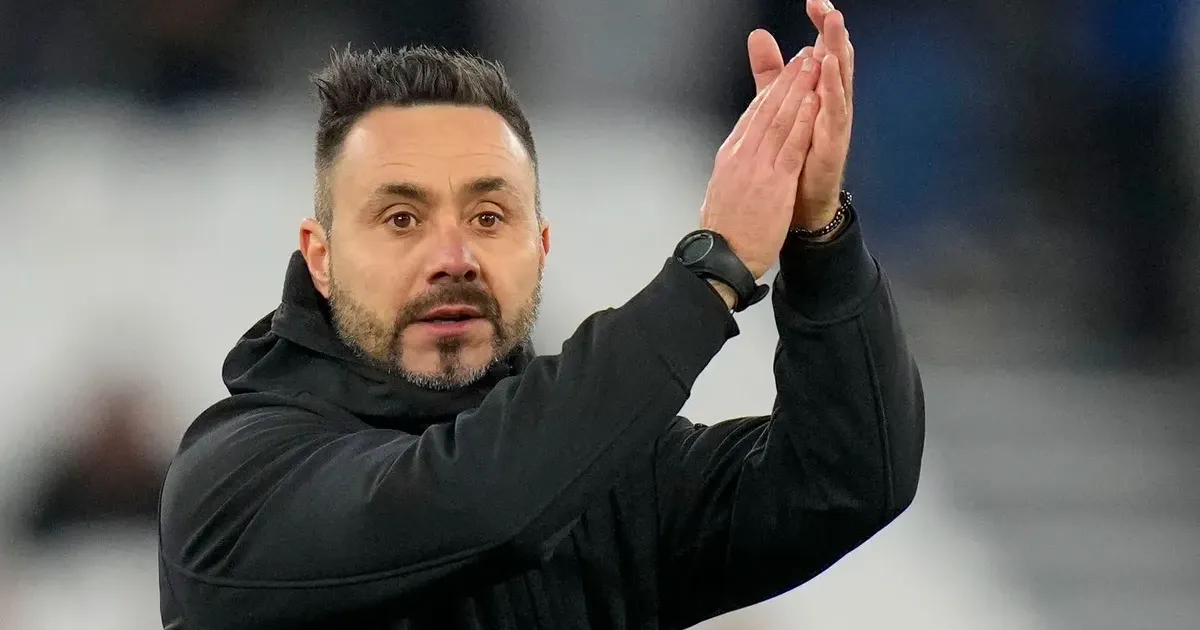
Tottenham's move for Roberto De Zerbi began as a relegation decision and has already turned into a larger strategy test. Spurs appointed him after Igor Tudor's brief, winless spell left the club one point above the Premier League drop zone. The immediate job was blunt: keep Tottenham in the top flight.
By July, the appointment reads differently. De Zerbi did enough to keep Spurs up, but survival did not end the argument. Tottenham then moved into an aggressive summer rebuild, with major spending and a manager whose style demands technical courage. The question is no longer only whether De Zerbi can rescue a season. It is whether the club knows what kind of team it is buying.
Tudor Left A Panic Job
Tudor's Tottenham spell lasted only 44 days and deepened the crisis. Reports described a run without a league win, worsening confidence and a team close enough to relegation that every fixture carried financial and historical weight. For a club with Tottenham's stadium, wage bill and global profile, dropping into the Championship would have been more than embarrassment.
De Zerbi's appointment therefore had a strange profile from the start. He was not brought in for a clean preseason or a slow identity reset. He was hired to impose enough order on a damaged squad to avoid a structural shock.
De Zerbi's Principles Were The Risk
De Zerbi's football asks players to invite pressure, build through tight spaces and use the ball as a way to control opponents. At Brighton, that made his teams clear and attractive. In a relegation fight, the same ideas can look dangerous if defenders are nervous and midfielders stop showing for passes.
The Tottenham version of the gamble was obvious. Caution had already failed, but conviction could fail faster if the squad could not execute it. De Zerbi had to decide which ideas were essential and which had to bend to the table.
Survival Changed The Problem
Keeping Spurs up gave the club air, not closure. A survival escape can hide weaknesses if everyone treats it as proof of a plan. Tottenham still had to confront a confused squad build, managerial churn and the damage caused by a season spent near the bottom rather than fighting for Europe.
The summer spending matters for this reason. Big fees and high wages are not automatically ambition. They become ambition only if they solve the right problems. Otherwise, survival becomes the start of another expensive cycle.
The Transfer Window Raised The Stakes
Tottenham's reported push for expensive additions under De Zerbi's influence suggests the club is trying to accelerate the rebuild rather than drift back toward caution. That can make sense after a crisis. A manager with strong tactical requirements needs players who can receive under pressure, defend space and make decisions quickly.
But a spending surge can also become a shortcut around clarity. If Tottenham are buying for De Zerbi's system, the squad should look coherent by role, age curve and wage structure. If they are simply buying names to change the mood, the club may repeat the same strategic fog with a larger bill.
Style Still Has To Produce Points
Supporters will tolerate risk if they see a team becoming sharper. They will not tolerate risk that looks like ideology. De Zerbi's style can give Tottenham a football identity again, but only if it reduces chaos rather than decorating it.
The Premier League does not reward aesthetic intent by itself. Pressing, buildup and bravery have to show up as cleaner chances, fewer cheap concessions and a table position that makes the club's spending credible.
The Real Test Begins After Rescue
The most demanding part of De Zerbi's Tottenham job may come after the dramatic escape. A rescue manager can be judged on points over seven matches. A permanent manager with major spending power is judged on structure, recruitment, development and whether the team has a repeatable way to win.
Tottenham hired De Zerbi because a cautious season had collapsed into danger. He kept the club alive. Now the hire has become more severe: if the expensive rebuild works, the March panic will look like the beginning of a new identity. If it fails, Spurs will have turned a survival gamble into another costly proof that style without strategy is just noise.