Donald Trump renewed his attacks on California’s vote-counting system as ballots from the state’s primary continued to be processed. The criticism came on June 4, 2026, with Republican Steve Hilton narrowly leading Democrat Xavier Becerra in the race for governor while the Associated Press had not yet called the contest.
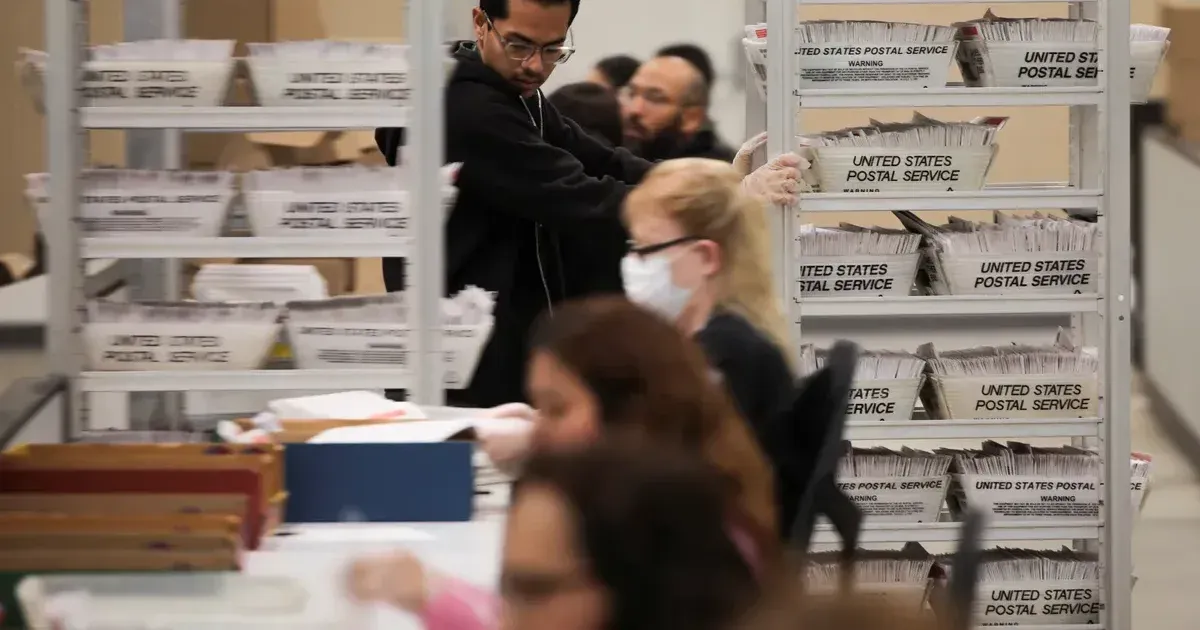
The count remained unsettled because California relies heavily on mailed ballots and allows eligible ballots postmarked by election day to arrive later. That system often delays final results, especially in large statewide races where millions of ballots require signature verification before they can be added to the official tally. The delay can frustrate campaigns that want a fast call, but it also means the early election-night order is not always the final order in close California contests.
Trump has repeatedly used the slow count to argue that California’s voting rules are vulnerable to abuse. State election officials and voting-rights experts counter that the delay is built into the law and reflects a preference for counting eligible ballots accurately rather than producing fast but incomplete results. The same rules apply regardless of which candidate benefits from the later count, a point California officials often stress when defending the system against partisan criticism.
Slow Count Fuels Political Attacks
California’s election calendar gives counties time to process late-arriving mail ballots, provisional ballots and ballots with signature issues. That means a close top-two primary can remain fluid for days or weeks after election night. The state’s size makes the process even slower because Los Angeles County and other large jurisdictions must verify huge volumes of mailed and drop-box ballots.
Republicans seized on the lag as Hilton’s lead narrowed during later updates. Trump had already described California voting as rigged during the campaign, and the extended count gave his allies a familiar argument about election administration. The core dispute is not whether the state is counting ballots slowly; it is whether that pace is evidence of a problem or a predictable consequence of mail-heavy voting.
California officials have defended the process as lawful and routine. They note that ballots cannot be counted simply because they arrived; signatures must be checked, voter eligibility must be confirmed and duplicate voting must be prevented. Those steps are time-consuming, but they are also the safeguards the state says protect the integrity of the final result.
Hilton and Becerra Fight for November
Steve Hilton, a conservative commentator and former political adviser, remained narrowly ahead as new county updates arrived. His campaign has framed the race as a test of whether a Republican can break through in a state dominated by Democrats. Hilton’s support from Trump also made the count a national story rather than only a California primary update.
Xavier Becerra, the former Health and Human Services secretary and former California attorney general, stayed close enough to keep the race unsettled. California’s top-two primary system sends the two leading candidates to the general election regardless of party, so the fight is not about winning an outright nomination. It is about securing one of the two November slots. That structure makes late-counted ballots especially important because a candidate does not need to win a party nomination outright; the only immediate goal is to stay ahead of the rest of the field. For Hilton and Becerra, every county update now carries strategic meaning beyond the raw vote total.
Tom Steyer, the billionaire Democrat, remained part of the late-count picture but trailed the two leaders in the latest updates cited by major news organizations. Because many urban and mailed ballots were still being processed, campaigns avoided treating the early order as final. A small percentage shift in late-counted ballots can matter when candidates are separated by only a few points.
Why the Result Is Still Uncalled
The state’s slow reporting has become a political issue because the race is close and because the candidates represent sharp national contrasts. Hilton’s path depends on maintaining enough Republican and conservative-leaning support to survive the late count. Becerra’s path depends on Democratic-heavy ballots from large counties continuing to narrow or overtake that margin.
Election administrators say the timeline is not unusual for California. Counties must continue processing valid ballots that arrive within the legal window, and certification comes only after reconciliation work is complete. That does not satisfy campaigns or voters looking for a quick answer, but it is how the state has structured its election rules.
The practical effect is a vacuum where political claims can spread faster than official results. If Hilton holds on, Republicans will argue that Trump’s endorsement helped push him into the general election. If Becerra gains ground or takes the lead, Democrats will point to late-counted mail ballots as a normal feature of California elections. Either way, the race is likely to remain a national flashpoint until enough counties report to make the top-two outcome clear.