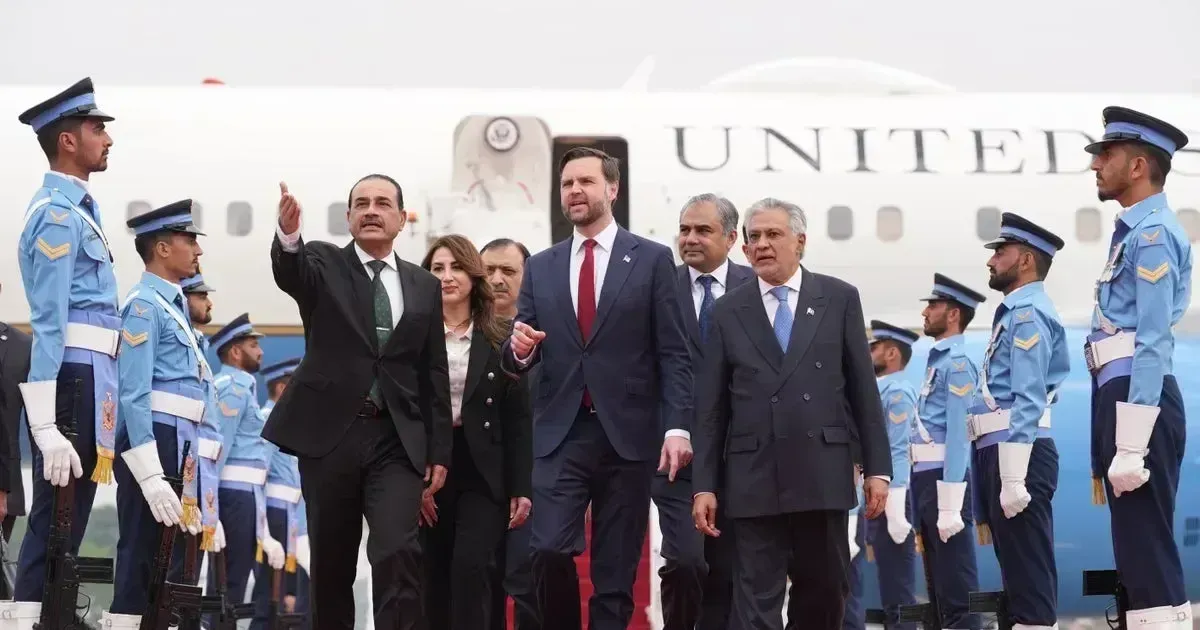
Donald Trump has floated Islamabad as the possible site for a new round of talks with Iran, offering a diplomatic opening while U.S. naval pressure continues around the Persian Gulf. The proposal is tentative, but it gives both sides a venue outside the usual European channels.
Trump said on April 14, 2026, that discussions could begin within 48 hours if Tehran agreed. Iranian officials had not confirmed participation, leaving the announcement closer to a signal than a settled schedule.
Pakistan emerges as a possible venue
Islamabad gives the talks a different political setting. Pakistan maintains ties across several regional blocs and can host a meeting without carrying the same symbolism as Washington, Geneva or Vienna.
That may be useful if Iran wants to test negotiations without appearing to concede under American pressure. It may also help Trump argue that his pressure campaign is creating a path toward diplomacy.
Naval pressure shapes the backdrop
The proposed meeting comes after U.S. forces tightened maritime enforcement near the Strait of Hormuz. American commanders have turned back Iranian-linked merchant traffic and maintained a heavy presence around key shipping lanes.
Those actions raise the stakes of any negotiation. They also create a risk that a tactical encounter at sea could disrupt a diplomatic opening before it begins.
Pakistan's role would also be delicate. Hosting talks could raise Islamabad's diplomatic profile, but it would require careful management with regional partners that view Iran, the United States and Gulf security through different lenses.
For Tehran, agreeing to a meeting may be useful if it can frame diplomacy as resistance producing concessions rather than pressure forcing retreat. That messaging will matter for Iranian officials facing hard-line critics at home.
For Washington, the challenge is to avoid overpromising. A 48-hour window can create urgency, but it can also make diplomacy look improvised if the other side has not accepted the basic terms.
The maritime pressure around Hormuz gives the proposal leverage and risk at the same time. It may push Iran toward talks, yet any incident involving a ship, drone or patrol boat could make attendance politically impossible.
A first session would probably focus on process: who attends, what topics are allowed and whether either side will pause escalatory steps while discussions continue. Without those basics, Islamabad would be a venue rather than a breakthrough.
What both sides need
Washington wants limits on Iran's nuclear and regional activities. Tehran wants relief from military and economic pressure without looking cornered. Those starting positions leave room for a narrow first meeting but not an easy settlement.
If talks happen in Pakistan, the immediate goal will likely be de-escalation language, not a comprehensive agreement. Even that would matter in a week defined by blockades, threats and market anxiety. The strongest version of the Islamabad proposal would pair talks with a limited restraint package. That could include avoiding new maritime seizures, keeping military aircraft away from sensitive zones or opening a humanitarian and consular channel while negotiators meet. Without a pause of some kind, each side would arrive while accusing the other of negotiating under threat. Pakistan would also need to manage optics carefully so the meeting does not appear to favor either Washington or Tehran. Regional governments in the Gulf would want briefings, and European negotiators would not want to be bypassed entirely. The diplomatic opening is therefore real but fragile. It gives the parties a way to test whether pressure can become bargaining, but it does not remove the mistrust that has shaped every recent attempt to limit Iran's nuclear and regional activity. Islamabad also gives Trump a way to present diplomacy as active rather than reactive. After days of naval pressure, a proposed meeting can signal that the United States still sees negotiation as an option. Iran may interpret the same move differently, viewing it as an attempt to secure concessions without easing pressure first. That mismatch is common in crisis diplomacy. Each side wants talks to prove that its strategy is working. The danger is that both sides arrive with public demands designed for domestic audiences rather than private bargaining. Pakistan would then need to keep the first session focused on process and restraint. A durable agreement is unlikely at the opening table, but a shared decision to keep talking would still reduce immediate risk.