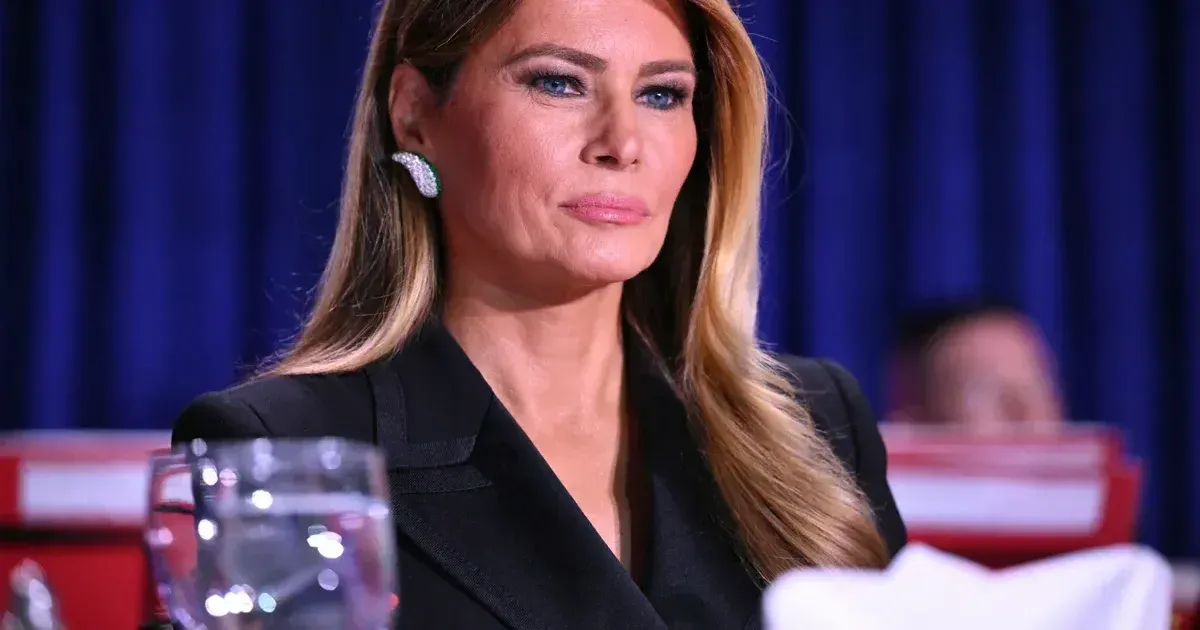
A late-night joke about Melania Trump became a White House pressure campaign against ABC and Disney. The dispute escalated after the real correspondents’ dinner was overtaken by gunfire. Comedy, security and presidential grievance are now part of the same media fight. Melania Trump and Donald Trump called on ABC and Disney on April 27, 2026, to take action against late-night host Jimmy Kimmel after a mock White House Correspondents' Dinner sketch. Trump said Kimmel should be fired, while the First Lady urged ABC to take a stand over a joke she called hateful and violent. The dispute followed a segment that aired two days before the real dinner ended in gunfire at the Washington Hilton.
Kimmel delivered the mock speech during a pre-recorded segment on his program. The sketch simulated the annual dinner where presidents and journalists typically exchange barbs. One joke referred to Melania Trump as an expectant widow, a line that drew sharp condemnation from the White House. Critics of the segment said the timing of the broadcast made the joke more volatile after the later security incident.
Gunfire disrupted the actual press gala after Kimmel's sketch aired. Authorities said an armed man attempted to enter the event, prompting security action and national concern over threats facing political leaders and the press corps. The First Lady argued that the late-night segment contributed to a toxic political atmosphere during a period of heightened risk.
Melania Trump Condemns Kimmel Sketch as Corrosive
Melania Trump released a statement characterizing the Kimmel broadcast as corrosive to the national discussion. She urged ABC to act, saying the network has responsibility for the content it brings into millions of homes. Her office focused on the widow joke and on what it described as hateful rhetoric aimed at the president's family.
Melania Trump wrote that Kimmel’s monologue was not comedy and urged ABC to take a stand.
Disney, the parent company of ABC, has not yet issued a formal response to the demand for Kimmel's dismissal. Network executives often navigate friction between presidential administrations and late-night comedians, but the shooting incident has made this dispute more sensitive. Supporters of the host argue that a comedian cannot be held responsible for violence that occurred after a joke was taped. The Trump family argues that the segment reflected a wider pattern of reckless political rhetoric.
Chronology of Mock Speech and Subsequent Gala Shooting
Two days passed between the airing of the late-night sketch and the attempted breach at the White House Correspondents' Dinner. This timeline is central to the debate over Kimmel's responsibility. The First Lady specifically targeted the expectant-widow joke, which she described as beyond acceptable satire. ABC and Kimmel have not publicly responded to the latest criticism.
Public reactions have split along familiar partisan lines. Many viewers defend Kimmel's right to satirize the government, citing the long history of White House Correspondents’ Dinner satire in debates over political rhetoric and security. Others contend that the specific language used in the sketch crossed a line. National discussion on the matter has focused on the intersection of media influence, presidential pressure and corporate decision-making.
Satire often relies on pushing boundaries to expose political absurdities. Tension between the executive branch and the media reaches a peak during the annual dinner season, but the 2026 cycle is marked by actual physical threats. The White House press office continues to push for a meeting with network leadership to discuss the future of the host's contract. Communication between the two entities persists through official channels as the administration seeks a punitive outcome for the comedian.
Trump’s Demand Tests Whether ABC Will Yield to Executive Pressure
The collision of pre-recorded political satire and a later security crisis creates a difficult test for networks, politicians and viewers. The First Lady is trying to define Kimmel's joke as part of a broader climate of reckless rhetoric, while free-speech advocates are likely to view the demand as government pressure on a media company.
By demanding a firing rather than a clarification or apology, the Trump administration is testing the resilience of corporate media against executive pressure. ABC faces a choice between protecting a top-rated asset and reducing a public relations crisis involving the White House. The outcome will show how far major broadcasters are willing to go when presidential criticism becomes a direct call for personnel action.
National security concerns can give political actors leverage in disputes over speech. If networks accept the premise that late-night comedy contributed to the shooting, the boundaries for permissible satire may narrow. If ABC resists the pressure, the fight over Kimmel could become another flashpoint in the broader debate over media independence.