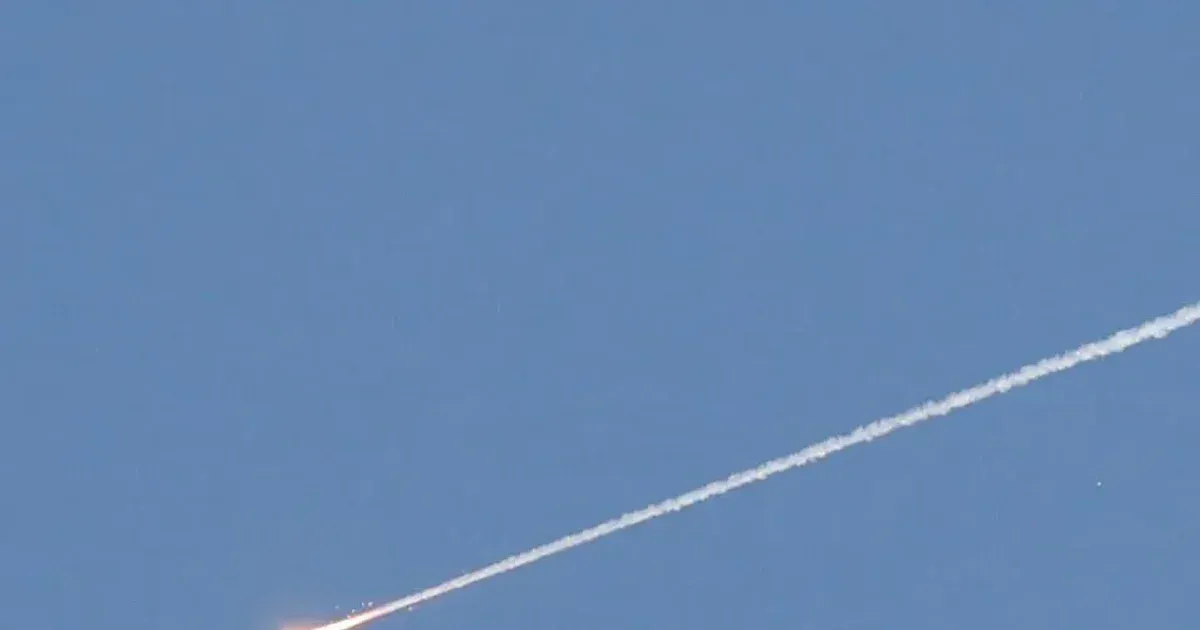
Donald Trump escalated pressure on Iran by warning that a continued threat to the Strait of Hormuz could draw direct strikes on Iranian infrastructure. The warning placed energy markets, shipping insurers and regional militaries on alert because the waterway remains one of the most important routes for global oil flows. On April 6, 2026, the confrontation had already become a test of whether Washington and Tehran could keep military signaling from outrunning diplomacy.
The administration framed the threat as a deterrent designed to keep commercial shipping open, while Iranian officials answered that attacks on infrastructure would produce retaliation. That exchange turned a maritime dispute into a broader question of whether regional allies, importers and naval partners can avoid a cycle of escalation.
Hormuz Warning Puts Energy Markets on Edge
The Strait of Hormuz carries a major share of internationally traded petroleum and liquefied natural gas, so traders respond to threats in the strait even before a physical closure occurs. Shipping companies face a practical calculation: continuing through the channel can expose crews and cargo to military risk, while rerouting can add time, fuel costs and contractual penalties.
For energy buyers, the practical danger is timing. A short disruption can be absorbed through inventories, but a prolonged standoff forces refiners, airlines and shipping firms to pay more before any physical shortage reaches consumers. Insurers and tanker operators therefore often react faster than politicians.
Military Options Carry Civilian Risk
Targeting power grids, bridges or transport nodes would represent a serious escalation because those systems affect civilians as well as military logistics. Iran could respond through regional partners, missile forces, cyber operations or harassment of commercial shipping, making the consequences hard to predict after a single strike.
The warning also creates a legal and diplomatic test for Washington. Infrastructure strikes would need to be justified as necessary, proportionate and connected to a clear military objective. Without that explanation, allied governments may support freedom of navigation while resisting a wider campaign against Iranian civilian systems.
Diplomacy Still Has a Narrow Opening
The most useful diplomatic path would separate maritime access from the wider political dispute. Back-channel talks, naval deconfliction lines and limited public commitments could reduce the risk of accidental escalation even if they do not resolve the underlying conflict. Iran also has incentives to keep the crisis ambiguous, because threatening the waterway can raise costs for rivals without forcing Tehran into a direct conventional fight.
Hormuz Escalation Test
The Hormuz warning therefore matters less as a single statement than as a test of crisis management. If each side uses the threat to create room for a controlled climbdown, markets may stabilize. If leaders treat it as a credibility contest, the same words could become the first step toward a broader conflict.
The immediate signal for markets will be movement, not speeches. Tanker routes, insurance premiums, naval deployments and back-channel statements will show whether the crisis is cooling or hardening. The safest outcome is not a louder threat; it is a narrow arrangement that lets tankers move while negotiators keep the wider dispute from swallowing the shipping lane.
Regional partners would be central to any off-ramp. Gulf states can quietly press Tehran to keep commercial traffic moving while also urging Washington to avoid targets that would make retaliation politically unavoidable. Energy importers in Asia have the same interest, because they need predictable tanker schedules more than dramatic statements of resolve. Congress would add another layer of pressure if military planning moved from warning to execution. Lawmakers could ask whether the administration has a defined objective, a legal basis and a plan for the day after any strike. Those questions matter because a limited attack can still create open-ended obligations once ships, crews and civilians are caught in the aftermath. Energy desks, naval commanders and diplomats will all read those indicators together, because a single tanker delay can now carry the same market weight as a formal policy announcement. The danger is that operational movement can become political messaging before either side admits the crisis has widened. Markets need clarity on that divide before risk premiums can ease, and leaders need it before public deadlines harden into choices neither side can walk back credibly. The crisis-management question is whether leaders can separate deterrence from commitment. A threat may be designed to keep tankers moving, but once infrastructure targets are named publicly, military planners, insurers and regional governments start preparing for a wider conflict. That preparation can itself harden positions before diplomacy has a chance to work.
Energy importers will read those signals with particular urgency. Asian refiners, Gulf governments and shipping firms all need enough predictability to plan routes and inventory. If public threats keep outrunning private deconfliction, the market will price the possibility that a warning becomes an operational order.
Operational signals now matter as much as public threats.