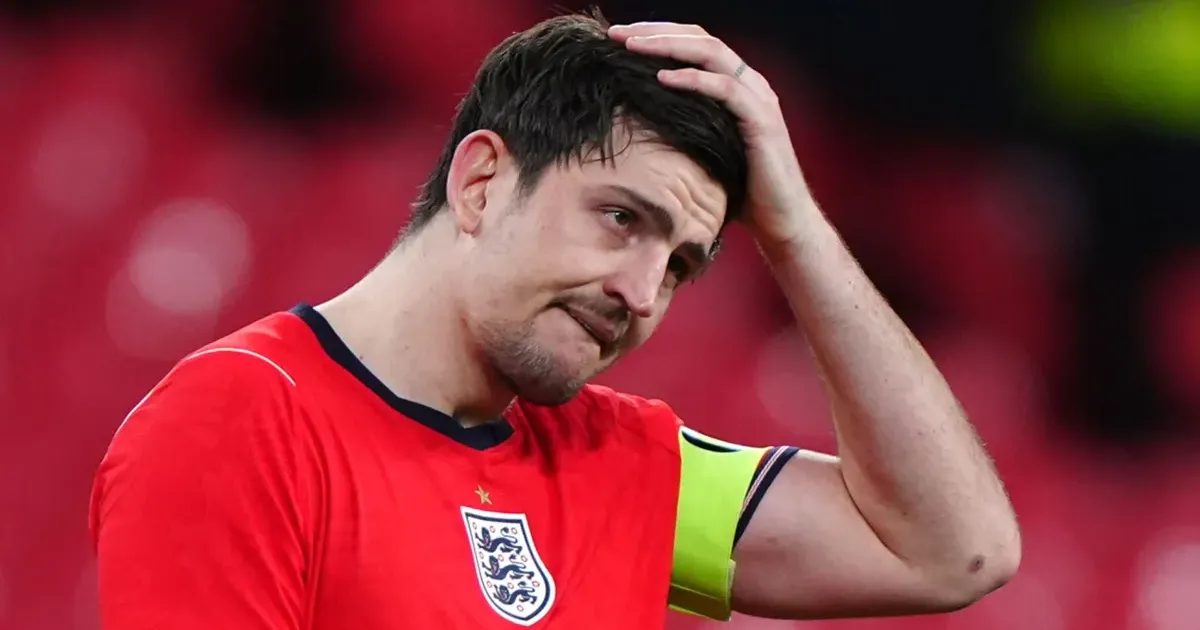
Thomas Tuchel's March warning on Harry Maguire turned out to be more than pre-tournament squad noise. The England manager had made clear that Maguire sat behind several centre-back options in his pecking order, and by the time the 2026 World Cup squad was selected, the Manchester United defender was left out.
The earlier comments mattered because Tuchel did not dismiss Maguire's experience or set-piece value. He simply made a colder selection point: usefulness in one phase is not the same as overall priority. Tuchel named defenders such as Ezri Konsa, Marc Guehi, John Stones and Trevoh Chalobah ahead of Maguire in the centre-back conversation.
That framing now reads less like a warning and more like the public explanation for a shift that was already underway. Experience kept Maguire relevant. Current tactical fit did not keep him safe.
Selection Pressure Was Real
Maguire's England record still matters. He has played major tournament football, scored from set pieces and handled pressure that would overwhelm many defenders. Tuchel did not erase that history when discussing the depth chart.
But the manager's language showed that the final squad would be built on current fit rather than past loyalty. A high defensive line asks centre-backs to turn, recover and defend space when full-backs advance. Maguire's best work has often come when the play is in front of him and he can attack aerial balls, organize the box and dominate set pieces.
Tuchel respected the old case for Maguire. He still chose a different England profile.
That is the uncomfortable reality for veteran defenders. A manager can value history and still decide that the next tournament demands more recovery speed, cleaner buildup and wider defensive coverage.
Tuchel's System Changed the Test
The debate was never simply whether Maguire could still help England. He could, in the right game state. Against opponents who rely on crosses and set pieces, he remains an obvious weapon. When England need to defend a lead or attack dead balls, his profile still has value.
The squad question was harsher: whether Tuchel wanted to spend a tournament place on a defender whose best use might be situational. Knockout football can require long recovery runs, quick restarts and aggressive buildup under pressure. A centre-back who is valuable in the box but exposed in transition becomes a matchup calculation, not an automatic pick.
That was the key change from previous England cycles. Under earlier managers, Maguire's aerial dominance and tournament experience carried heavy weight. Under Tuchel, those strengths had to compete against speed, versatility and club rhythm.
Omission Turned the Comment Into Evidence
Once Maguire was left out, the March pecking-order comments became the clue rather than the controversy. Tuchel had already told the public what mattered: current form, tactical fit and the defenders who could execute his preferred structure.
There is also a human side to that decision. Maguire has often been a symbol in debates about England loyalty, mistakes and resilience. A long-serving international can remain respected by teammates and supporters while slipping into a less secure tactical category.
The hard read is that Tuchel made England's centre-back race more ruthless. Maguire was not pushed out because his past disappeared. He was pushed down because the 2026 version of England asked for something narrower and faster than reputation. That is the lesson of the omission: tournament selection does not reward what a player has been if the manager no longer trusts what he can be in the next tactical emergency.