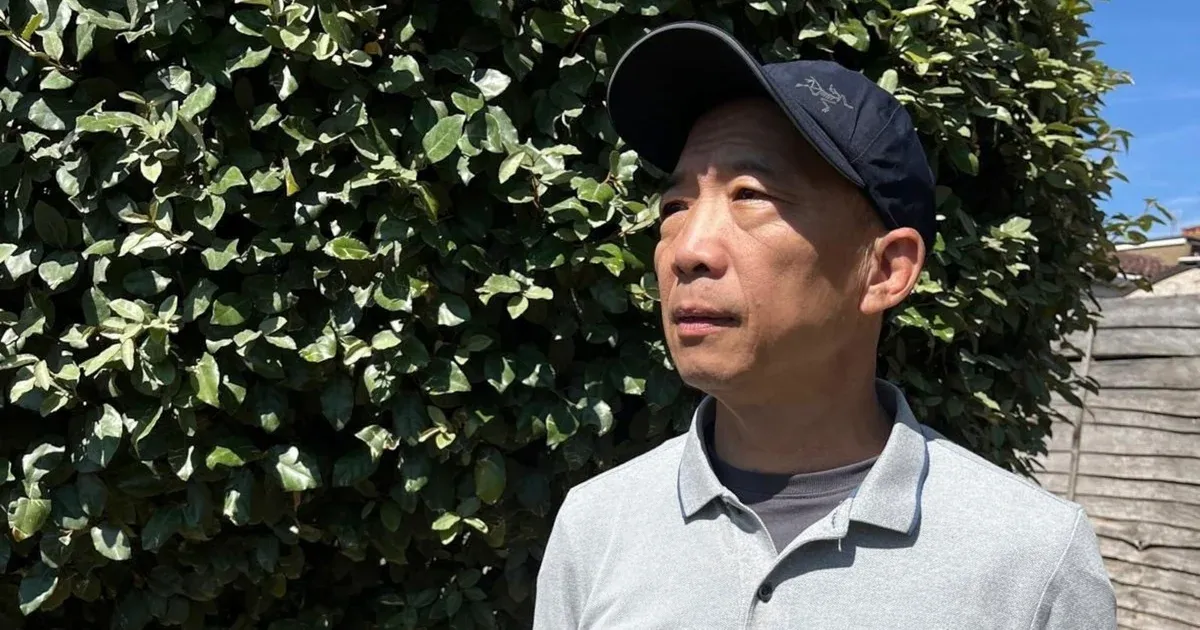
Wu Chi-wai's first trip outside Hong Kong after more than five years in prison was meant to restore ordinary family time. Instead, the former opposition leader's reunion with his wife and son in London has been placed on a seven-day immigration clock.
Wu arrived in Britain on Wednesday, July 22, 2026, carrying a return ticket for November. He told The Associated Press that border officials questioned whether he intended to remain in the country and admitted him on immigration bail that expires this Wednesday. His ticket has since been changed to that date, although Wu said he did not make the change. The original itinerary covered several months, and Wu said the short admission could complicate later attempts to visit his family.
The decision leaves him facing removal within a week of his arrival. Wu has asked the Home Office to extend his stay, arguing that an adverse immigration record could also make later visits harder. He denied seeking asylum, while making clear that his longer-term aim is to live near the family he barely saw during his imprisonment.
A Prison Release Did Not End the Separation
Wu once chaired Hong Kong's largest opposition party and served in the territory's legislature. He was among 47 democracy activists charged in 2021 over an unofficial primary election under the Beijing-imposed national security law. Their prosecution became the largest case brought under the law after it took effect in 2020. In 2024, judges imposed a four-year, five-month term after finding Wu guilty of conspiracy to commit subversion.
He was released in June after spending more than five years behind bars, including time served before sentencing. His wife and son had moved to Britain in 2022. While they were apart, Wu said he was limited to one 10-minute telephone call with them each month, and a letter-and-reply exchange could take about four weeks. Both of his parents died during his imprisonment. Officials allowed him to leave custody only briefly for the two funerals.
“Start afresh and cherish the time I have to reunite with my family,” Wu told The Associated Press.
Britain's interior ministry declined to address Wu's circumstances, citing its policy of not discussing particular files. It said the government remains committed to Hong Kong residents in the United Kingdom, but it has not publicly explained the short entry period. The Home Office and the airline also did not answer AP's questions about why his flight was moved. Wu warned that other visitors from Hong Kong could encounter the same problem.
More than 230,000 Hong Kong residents have secured visas through a special British route. Holders can apply to settle after five years, and over 9,800 have reached permanent status. Wu's position differs from a routine application under that program because he entered as a visitor after a national security conviction. He contacted the British consulate before traveling because he feared that record could affect entry.
His former political world has contracted as well. Hong Kong's legislature is now dominated by Beijing loyalists, the Democratic Party Wu led has disbanded, and numerous civil society groups have closed. Apple Daily has ceased publication, and its founder, Jimmy Lai, received a 20-year sentence in a case brought under the security statute. The closures have reduced institutions associated with freedoms promised when Britain returned Hong Kong to Chinese rule in 1997. Beijing and Hong Kong officials say the law restored stability.
The Border Decision Will Shape Life After Prison
Wu said he no longer plans to take part in political activity. That choice does not remove the conviction attached to his name. The British response will indicate whether a former political prisoner can use ordinary family and visitor routes without being treated as a presumed long-term migrant.
The immediate test is whether the Home Office lets Wu stay beyond Wednesday and preserves the November return he arranged. A refusal would turn a five-year prison separation into a recurring border problem. An extension would not determine his eventual residence, but it would let the reunion proceed on the timetable presented before he traveled. For Wu, the difference is several months with his family and a clearer chance of returning to see them again.