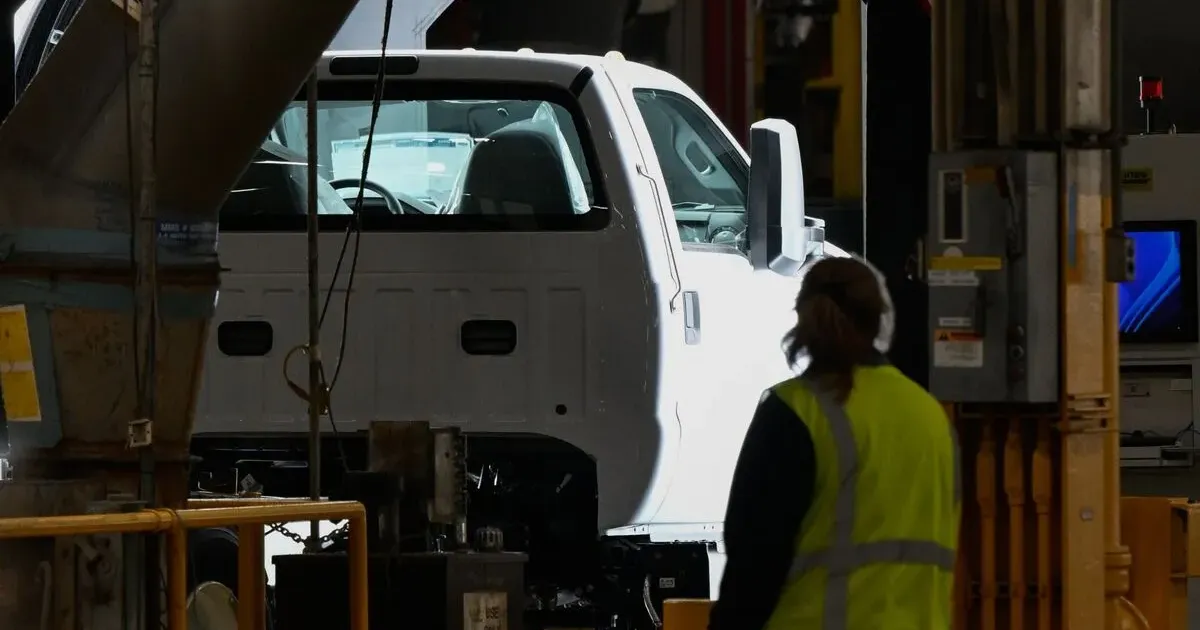
U.S. factory activity has remained in expansion, but the Iran war has made the manufacturing outlook more expensive and less predictable. The Institute for Supply Management's manufacturing index showed growth through the spring, with the prices measure jumping sharply as energy, freight and raw-material concerns moved back into production planning.
By June, the picture had become more mixed. Manufacturing was still expanding, but at a slower pace, while producer-price data showed a temporary easing helped by lower gasoline prices. That relief does not remove the risk. Renewed fighting around the Strait of Hormuz can push energy and shipping costs higher again before factory managers have time to reset budgets.
Expansion Did Not Mean Comfort
A reading above 50 in the ISM index points to expansion. That is positive after years in which manufacturing often struggled with weak demand, inventory swings and interest-rate pressure. But the details matter. When prices rise quickly, factory managers have to decide whether to absorb costs, raise prices or delay orders.
Smaller firms usually have less room to absorb shocks. They may face higher material bills before they have the leverage to pass them on to customers. A factory sector can expand and still add to the inflation problem if every new order arrives with higher input costs attached.
Iran War Raised the Cost Question
The Iran conflict pushed energy and shipping risk back into the center of industrial planning. Even companies far from the Gulf can feel the effect through fuel, chemicals, plastics, metals and freight. Manufacturing relies on predictable inputs. War makes predictability harder.
Insurance costs, delivery schedules and supplier confidence can all shift before a physical shortage appears. That uncertainty can be enough to change purchasing behavior. Firms build safety stock, diversify suppliers or pay more for domestic alternatives.
June Relief May Not Last
The drop in producer prices from May to June gave manufacturers some breathing room, especially after gasoline prices fell. But that was relief inside a volatile trend, not a clean end to the cost problem. Gasoline remained far higher than a year earlier, and renewed conflict threatened to reverse part of the decline.
Manufacturers therefore cannot plan only from the latest monthly inflation print. They have to ask whether lower energy costs are durable, whether suppliers will hold prices and whether freight lanes remain stable. A one-month improvement can disappear quickly if oil markets reprice war risk.
Orders and Employment Can Diverge
Factory demand can improve while employment remains soft. Automation, caution and high labor costs may lead companies to meet orders without adding many workers. That is one reason manufacturing data can look strong in one column and fragile in another.
Output, prices and hiring do not always move together. For policymakers, the mix is difficult. Strong activity argues against panic. Rising input risk argues against declaring victory over inflation. Soft hiring warns that the expansion may not feel strong in manufacturing communities.
Manufacturing Is Still Exposed
U.S. factories cannot fully insulate themselves from global shocks. Domestic demand helps, but energy and supply chains still connect industrial America to unstable waterways and commodity markets. The sector's resilience is real. So is its vulnerability.
If the Iran war keeps pressure on oil, shipping and raw materials, manufacturers will face a choice between protecting margins and protecting customers from price increases. That choice will decide whether expansion feels like recovery or merely a more expensive version of the same strain.