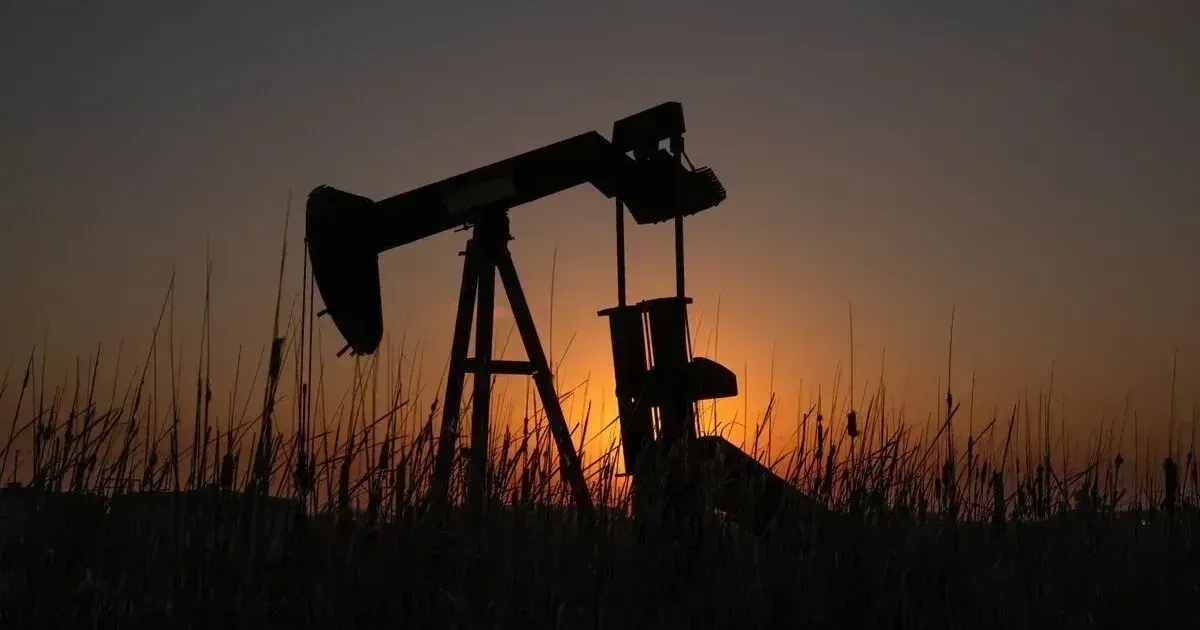
Donald Trump ordered a naval blockade against Iran to halt the flow of petroleum and starve the nation of hard currency. U.S. warships took positions across key shipping lanes, effectively sealing off major export terminals. The blockade took effect on April 14, 2026. Global petroleum markets braced for the impact of a total cessation of Iranian crude sales. Shipments from the Persian Gulf now face intense scrutiny as the U.S. Navy enforces the directive. Washington intends for this physical barrier to force a return to the negotiating table.
Tehran relies on energy exports for the vast majority of its foreign exchange reserves. Shutting down these arteries places immediate pressure on the Iranian rial. Analysts at various financial institutions suggest that a prolonged stoppage will deplete the central bank's ability to subsidize basic goods. This action marks a transition from sanctions to direct physical intervention. Such measures have historically been viewed as acts of war under international maritime law.
U.S. Naval Blockade Slashes Iranian Hard Currency
U.S. destroyers and carrier strike groups moved into position to intercept tankers departing from Kharg Island and other critical loading points. Most Iranian oil traditionally flows to buyers in Asia who may now seek alternative suppliers to avoid naval confrontations. Military officials confirmed that any vessel attempting to bypass the perimeter would be boarded and redirected. Hard currency flows into the Iranian treasury could drop by as much as 90% within thirty days. Beijing, a primary purchaser of Iranian crude, has expressed formal displeasure through its foreign ministry.
Diplomatic channels are struggling to keep pace with the speed of military deployments. While some European allies have called for restraint, the administration in D.C. appears committed to a total economic strangulation of the Iranian regime. Halting the oil trade removes the primary lever Tehran uses to fund its regional proxies and ballistic missile programs. Military strategists suggest the blockade could persist for months if a diplomatic breakthrough does not occur quickly. Direct intervention at sea presents a much higher risk of kinetic exchange than digital or financial sanctions.
HSBC Warns Oil Shocks Will Depress Global Growth
HSBC leadership recently addressed the economic fallout during a high-profile summit in Hong Kong. Chief executive Georges Elhedery expressed deep concern regarding the duration of the current hostilities. Rising energy costs act as a hidden tax on consumers and businesses alike, potentially triggering a period of stagflation. Banks are now adjusting their growth projections for the fiscal year. High oil prices historically lead to a contraction in manufacturing and transport sectors.
"We're saddened and concerned with what's happening in the Middle East, and we're concerned not just with what's happening but also with how long this will take," Georges Elhedery said.
Business confidence became another casualty as executives prepared for persistent Middle East volatility.
Corporate executives are increasingly vocal about the risks posed by the maritime blockade. Many fear that the current situation will evolve into a permanent state of high-cost logistics. Supply chains that rely on the Suez Canal are particularly sensitive to any escalation in the Gulf. Manufacturing hubs in Europe could see their energy bills double if alternative gas and oil sources are not secured. Shipping companies are already rerouting vessels around the Cape of Good Hope to avoid the trigger point.
Market volatility has spiked to levels not seen since the initial shocks of early 2020. Traders are speculating on the probability of a complete closure of the Gulf to commercial traffic. If the U.S. Navy maintains the blockade, Iranian domestic stability may begin to fracture. Internal dissent in Iran often follows periods of acute economic distress caused by currency devaluation. Washington is betting that the pain of the blockade will outweigh the regime's desire for regional influence.
Energy Markets Recalculate Risk During Naval Standoff
Crude oil futures jumped 8% immediately after the blockade announcement. Speculators are pricing in a worst-case scenario where Iranian output is permanently removed from the global balance. Other OPEC members have not yet committed to increasing production to offset the loss. Spare capacity among non-OPEC producers like Brazil and Guyana is limited in the short term. Energy security has become the top priority for national governments across the globe.
Strategic petroleum reserves may be tapped to prevent a localized fuel crisis. However, these reserves are finite and intended for short-term emergencies. Long-term reliance on emergency stockpiles is not a sustainable economic strategy. If the naval blockade continues through the summer, cooling demand will put additional strain on power grids. Electricity prices in southern Europe are already trending higher in anticipation of supply disruptions.
Oil Pressure as a Strategic Weapon
Economic warfare often masks the uncomfortable reality that sieges rarely produce the tidy surrenders envisioned by architects in Washington. This naval blockade is a blunt instrument that inflicts maximum collateral damage on the global financial system while hoping for a psychological break in Tehran. History suggests that regimes under absolute pressure tend to become more erratic rather than more compliant. The U.S. is playing a dangerous game of chicken with the global energy supply, betting that the world can absorb $100 per barrel oil longer than Iran can survive without hard currency.
Western leaders are currently ignoring the long-term erosion of their own credibility. By weaponizing the high seas, the U.S. invites other regional powers to consider similar tactics in their own spheres of influence. This move essentially ends the era of globalization as we understood it, replacing open trade with a series of fortified maritime corridors. Investors should stop looking for a return to normalcy and start preparing for a fragmented, high-inflation reality where the navy, not the central bank, dictates the price of crude. The blockade is a gamble with no easy exit strategy.
A catastrophic miscalculation is now more likely than a diplomatic triumph.