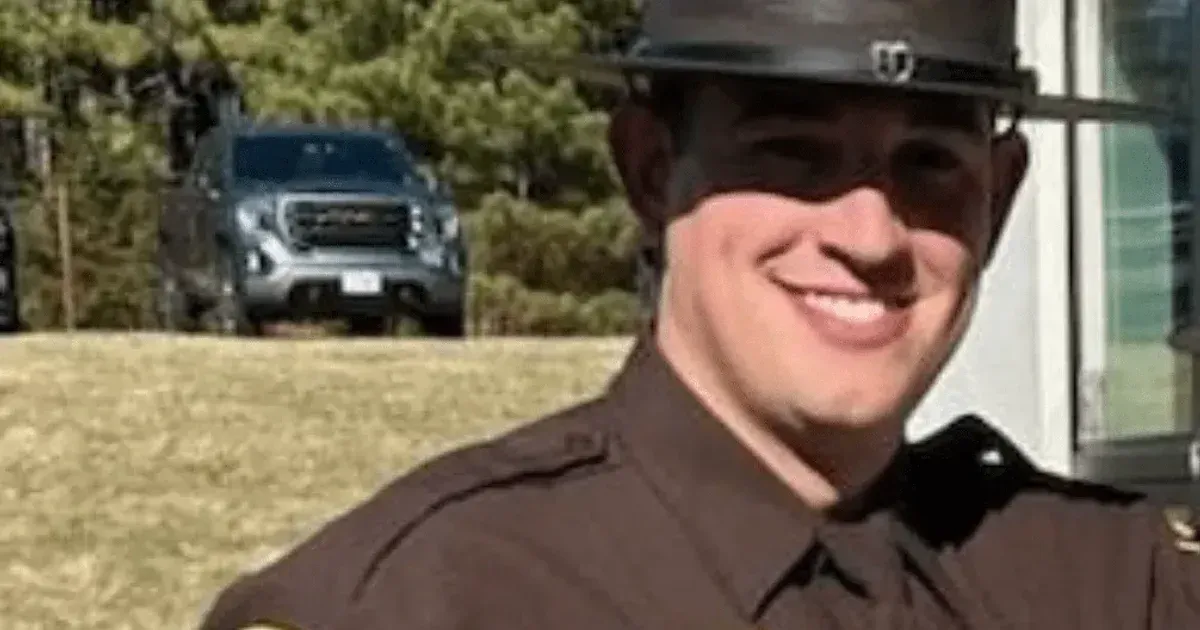
The U.S. Marshals Service is offering $10,000 for information leading to Michael Puckett after Carroll County Deputy Logan Utt was killed in Virginia. Authorities said on May 31, 2026, that Puckett remains wanted in connection with the shooting that killed Utt and injured a second deputy. Officials have warned that he should be considered armed and extremely dangerous.
The shooting began after deputies responded to a welfare check at a home on Fancy Gap Highway. The Carroll County Sheriff's Office said a man at the residence opened fire, killing Utt and striking another deputy in a ballistic vest. The second deputy was reported in stable condition after receiving medical care.
Michael Puckett became the focus of the search as local, state, and federal agencies expanded the response. The reward is meant to encourage credible tips, but officials have also told residents not to approach the suspect. In a rural search area, a mistaken confrontation could endanger both the public and responding officers.
Reward Raises Public Pressure
Reward announcements often change the flow of information in a fugitive case. People who were unsure whether a detail mattered may contact investigators once federal authorities attach a public reward to the search. That can help narrow the timeline, identify possible routes, or confirm whether a reported sighting is useful. It can also create noise, which is why investigators must sort tips carefully before moving tactical teams.
"Today, Carroll County has lost a hero, and a family has suffered an unimaginable loss," Sheriff Kevin A. Kemp said.
Authorities have not released a full public account of every movement after the shooting. That restraint is normal in an active manhunt because releasing too much information can alert a suspect or compromise search tactics. The public-facing message has stayed narrow: report information to law enforcement, avoid direct contact, and treat the suspect as dangerous until he is in custody.
The case has drawn attention beyond Carroll County because line-of-duty deaths carry statewide significance. Governor Abigail Spanberger said her office was monitoring the situation and urged anyone with information to contact Virginia State Police. That state-level involvement helps coordinate communication and mutual aid while the sheriff's office manages the local impact of Utt's death.
Agencies Coordinate Search
Virginia State Police, local deputies, and federal partners have been involved in the search and investigation. Their work includes processing the scene, following leads, checking possible sightings, and supporting local officers who remain under pressure after losing a colleague. In active fugitive cases, coordination matters because separate agencies may receive overlapping information from different counties, dispatch centers, and federal databases.
The second deputy's injury also remains part of the investigative record. Officials said the deputy was struck in the ballistic vest, a detail that underscores the danger of the encounter and the role of issued protective equipment. The department has not released every detail about the injured deputy, focusing public statements on Utt, the search for Puckett, and the need for credible information.
Community reaction has centered on grief and caution. Utt was identified as a deputy, military veteran, husband, father, and public servant. Those details have shaped tributes from residents and nearby public safety agencies. At the same time, the active search means the community is being asked to mourn while remaining alert to a continuing law enforcement threat.
What Residents Should Do
The safest guidance is practical. Residents should report possible sightings or useful information through official channels and avoid circulating unverified claims on social media. False reports can pull officers away from stronger leads, while rumors can frighten neighborhoods already dealing with a serious public safety event. Clear updates from the sheriff's office, state police, and federal partners are therefore part of the response.
Once Puckett is captured, the case will shift from manhunt to prosecution. Until then, the priority is narrower: find the suspect, protect residents, and support the deputies and families affected by the shooting. The reward gives investigators another tool, but the search still depends on careful police work and reliable public cooperation.
The investigation is also moving under intense public attention because it follows the killing of a deputy during a call that began as a welfare check. That context matters for future court proceedings. Prosecutors will need a clean factual record, and defense attorneys will scrutinize the same timeline once the case leaves the search phase.
For residents, the most important distinction is between useful information and speculation. A credible tip can include a sighting, vehicle detail, known address, or recent contact. A rumor repeated without verification can slow the search and increase pressure on officers already working in a tense environment, especially when teams are checking multiple rural routes and possible contact points. That is why officials are asking the public for specific, verifiable details rather than broad speculation or secondhand claims. The expanded search also requires investigators to manage public information without compromising search tactics.