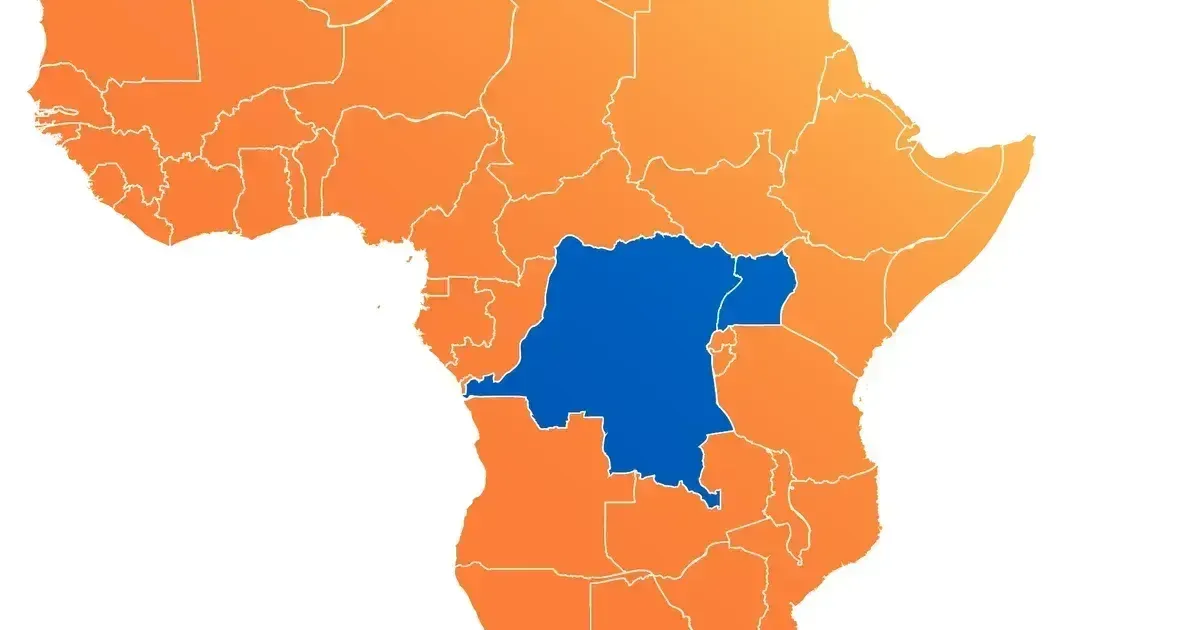
World Health Organization officials signaled deep concern regarding the intersection of a viral outbreak and armed insurgency in Central Africa. The warning links two emergencies that responders cannot treat separately in eastern Congo. Disease surveillance depends on access, and conflict is making that access harder to maintain. Statements released on May 27, 2026, indicate that a resurgence of Ebola in the Democratic Republic of Congo has entered a volatile phase. Director-General Tedros Adhanom Ghebreyesus warned that the current environment is enabling a catastrophic collision of disease and violence.
Fighting in the eastern provinces is currently hampering efforts to stop the spread of the virus. Medical teams frequently encounter roadblocks, active gunfire, and hostile territory when attempting to reach rural villages. Public health interventions, which rely on rapid response and trust, are effectively paralyzed in regions under the control of various militia groups.
Containment becomes impossible without safe passage for frontline responders. Clinical data suggests that delayed treatment sharply increases mortality rates for Ebola, a viral hemorrhagic fever with high lethality. WHO personnel report that insecurity prevents the necessary contact tracing required to break transmission chains. Cases are going undetected in conflict zones, allowing the virus to move silently through displaced populations.
Violence Hinders Congo Health Interventions
Security challenges have forced the suspension of multiple vaccination clinics in the Kivu region. Deployment of medical equipment and protective gear requires heavy military escort, which often alienates the local populace. Rural communities, caught between warring factions, frequently view outside medical intervention with suspicion or fear. Healthcare workers face physical threats when entering contested districts to perform burials or transport patients.
Tedros Adhanom Ghebreyesus said fighting in DR Congo was hampering efforts to stop spread.
Logistics in the Kivu provinces are further complicated by the destruction of essential infrastructure. Power grids and water systems, already fragile, are frequent targets of sabotage. Safe water access is a requirement for Ebola prevention, yet many communities lack the basic resources to maintain hygiene protocols. Hospitals in these areas operate with minimal staff as medical professionals flee the advancing violence.
Surveillance efforts now depend on intermittent reports from community leaders who risk their lives to share information. WHO officials noted that the inability to maintain a constant presence in high-risk zones creates blind spots in the epidemiological map. Without accurate data, the allocation of limited resources becomes a matter of guesswork. International aid agencies have expressed frustration over the deteriorating safety conditions that prevent the delivery of life-saving supplies.
Regional Risks of Disease Transmission
Movement of people across borders increases the probability of a regional crisis. Thousands of civilians flee daily toward neighboring countries to escape the fighting, potentially carrying the virus into urban centers. World Health Organization monitors emphasize that the porous nature of the border makes traditional quarantine measures ineffective. Goma, a major transit hub, is particularly vulnerable to an influx of infected individuals from the rural north.
Regional governments have been advised to increase screening at official border crossings, though informal routes remain a significant concern. Collaborative efforts between the Congolese health ministry and international partners are struggling to keep pace with the shifting frontlines of the conflict. Testing facilities are currently concentrated in secure areas, leaving the most affected populations without access to diagnostics. Failure to secure the region could result in a cross-border epidemic that exceeds the capacity of local health systems.
Conflict Is Making Ebola Containment Impossible
Fragility in the eastern provinces creates a vacuum beyond political instability. When a lethal pathogen like Ebola meets a landscape of active warfare, the traditional tools of epidemiology lose their efficacy. The primary risk is no longer the virus alone, but the structural impossibility of containment. Conflict prevents the systematic isolation of patients, which is the only proven method for stopping a hemorrhagic fever outbreak. If the current trajectory continues, the international community faces a scenario where medical science is rendered moot by military reality.
The crisis extends beyond public health into a security failure that threatens to destabilize the Great Lakes region of Africa. Spillover into Uganda or Rwanda would require an enormous paramilitary and medical mobilization that few regional actors are prepared to fund. Without an immediate cessation of hostilities in the impacted zones, the Ebola virus will continue to find new hosts among the vulnerable and displaced. WHO teams are still prioritizing contact tracing where access remains possible.