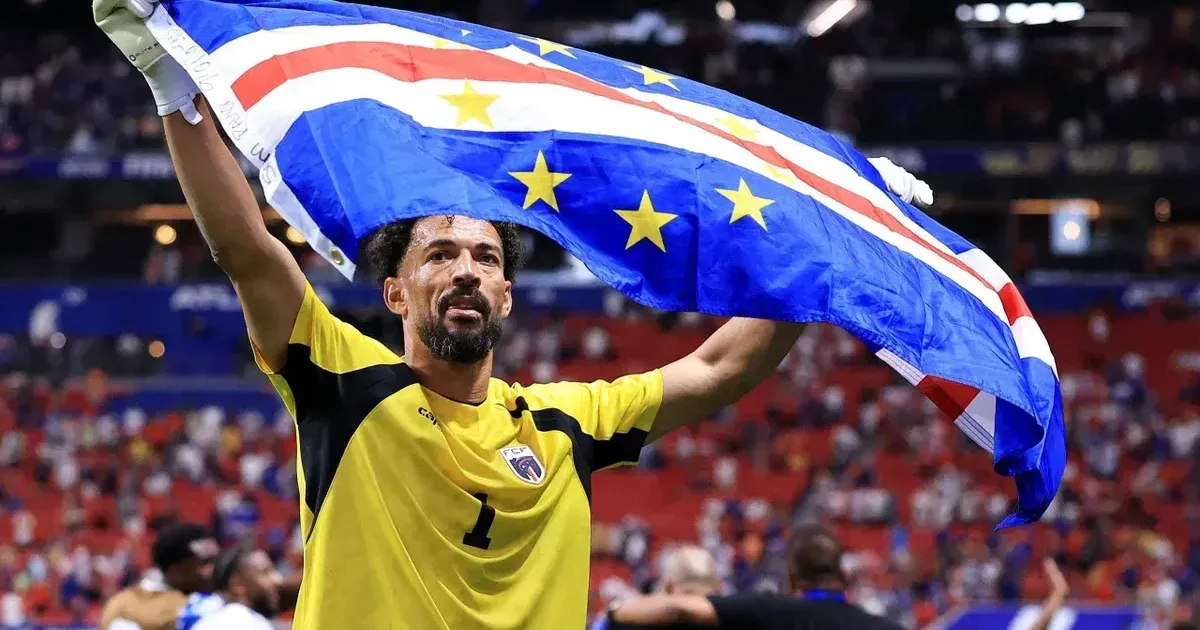
Cabo Verdean fans poured into the streets of Praia this week as results from the pitch sparked a nationwide celebration and disrupted established group expectations. The day mattered because both teams used the expanded field to change expectations. Their results will force larger football nations to treat the group differently. The national team, representing an archipelago of just 500,000 people, secured a stalemate against former champion Spain on June 15, 2026. President José Maria Neves described the performance as a defining moment for the country, which gained independence from Portugal in 1975 and has recently benefited from increased stadium investment.
Supporters in the capital city beat drums and blew horns throughout the night to mark a result many viewed as a functional victory. This stalemate against a global powerhouse highlights the tightening gap between traditional European elites and emerging African programs that have modernized their training infrastructure. Reports indicate that Chinese investment played a significant role in developing the facilities that prepared the squad for this level of competition.
Spanish media outlets reacted with surprise as their attack failed to break through a disciplined defense. Investors and analysts have noted that the archipelago nation effectively used its limited resources to neutralize a roster worth hundreds of millions of euros. African football continues to demonstrate that structured preparation can offset meaningful market-value disparities during short-tournament formats.
Cabo Verde Secures Historic Draw in Praia
FIFA officials noted the atmosphere in Praia as one of the most intense of the opening week. China provided critical support for the footballing infrastructure in Cabo Verde, allowing the team to host high-level camps and improve technical standards before arriving at the tournament. Independence from Portugal remains a central part of the national identity, and the draw against a neighboring Iberian power carried deep symbolic weight for the islanders.
While Cabo Verde celebrated its defensive masterclass, another African nation prepared to re-enter the spotlight after more than half a century. DR Congo is appearing in the tournament for the first time in 52 years, a gap dating back to its 1974 qualification as Zaire. Players arrived in North America wearing sharp black suits accented with leopard-print details, a direct reference to the storied "sapeur" fashion culture of Central Africa.
Sapeur style, or the Société des Ambianceurs et des Personnes Élégantes, involves using high-fashion garments as a form of social resistance and cultural pride. This cultural expression through dress communicates a message of Congolese sophistication to a global audience. Experts in Kinshasa noted that the team intentionally chose these aesthetics to project a modern, confident image of the country during its long-awaited return.
DR Congo Returns With Sapeur Style
Leopard-print accents on the team's formal wear pay homage to national symbols while maintaining the sleek silhouette favored by modern fashion houses. Congo faces Portugal in its opening campaign, a match that pairs the returning African side against one of the most decorated players in history. Cristiano Ronaldo enters the match chasing further goal-scoring records as he leads the Portuguese attack into another quest for a trophy.
Ronaldo faces intense scrutiny as he attempts to extend his international scoring lead during the 2026 campaign. Portugal begins its tournament with high expectations, but the Congolese return has generated serious neutral interest due to the team's visual identity and historic absence. Goals from the Portuguese captain are anticipated by markets, yet the defensive discipline shown by other underdogs suggests a difficult path forward.
Soft Power on the World Cup Stage
Diplomatic and soft-power interests are converging on the pitch as smaller nations leverage the global stage to project internal stability and international relevance. Cabo Verde's ability to hold Spain to a draw is more than an athletic outlier; it reflects targeted infrastructure development and the successful integration of a diaspora talent pool. Such results encourage further investment from external partners like China, which sees sports infrastructure as a primary vehicle for deepening ties with African states.
Congolese participation offers a different form of regional leverage by highlighting the nation's cultural capital through the sapeur movement. By framing their return through the lens of fashion and heritage, the DR Congo is attempting to rewrite a national narrative often dominated by conflict and resource extraction. The pivot toward cultural soft power indicates a sophisticated understanding of how the World Cup is a branding platform for developing economies.
Soft-power competition will likely intensify as the tournament progresses and more nations find opportunities to challenge established hierarchies. Small archipelago nations and returning continental giants are no longer content with mere participation. They are actively seeking to disrupt the geopolitical and athletic status quo. The results also challenge broadcasters and sponsors that planned coverage around established powers. Unexpected contenders can change viewing patterns, ticket demand and the emotional center of a group before the knockout stage even begins.