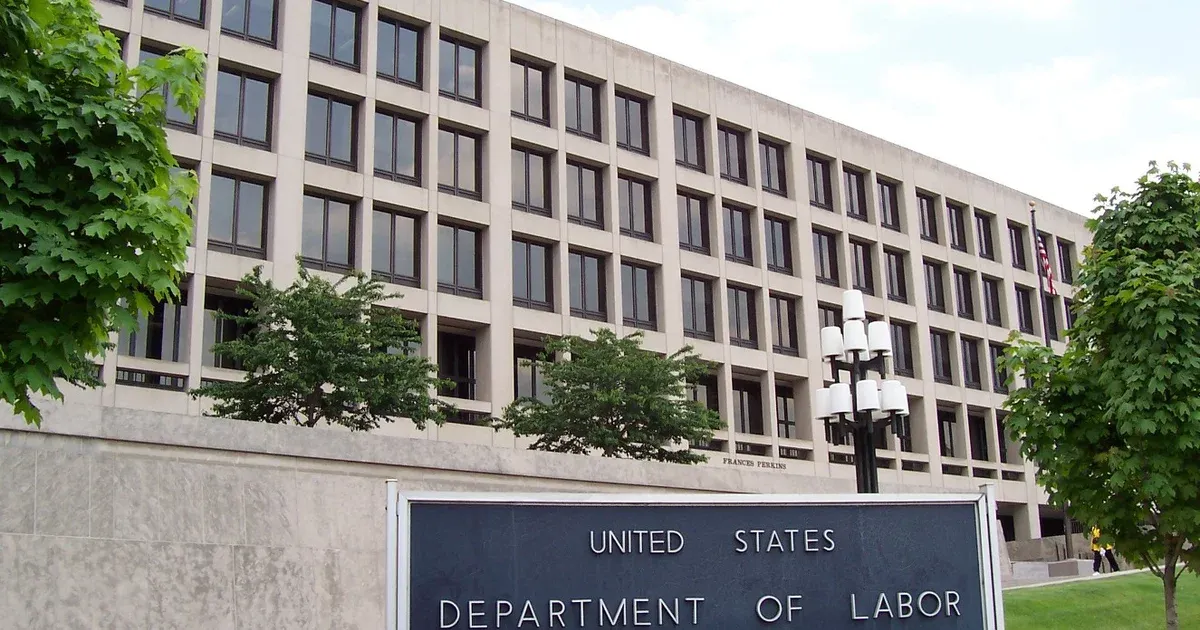
The jobs signal places fiscal policy back in the growth debate. Employers are reacting to uncertainty. Bureau of Labor Statistics officials confirmed on April 6, 2026, that American job growth had entered a period of stagnation. Private-sector payrolls expanded by 92,000 positions in March, below consensus forecasts of 175,000. The slowdown raised questions about inflation, federal spending priorities and administrative burdens on hiring.
Private-sector payrolls expanded by 92,000 positions in March, missing the consensus forecasts of 175,000 by an enormous margin. Statistics provided by the Department of Labor suggest that the labor market is beginning to buckle under the dual pressures of persistent inflation and large federal budget reallocations. Economists have labeled this specific type of economic friction as labor market sludge, a condition where regulatory density and administrative hurdles stifle the movement of workers into productive roles. Hiring managers across the United States report an increasingly difficult environment for filling specialized vacancies. Bureaucratic requirements for new hires have increased by 22 percent over the last two years, creating a bottleneck that slows down the entire onboarding process. High turnover rates in the service sector are no longer being offset by gains in industrial production. Industrial output fell by 0.4 percent in the first quarter of 2026. This slowdown is particularly evident in the Midwest where automotive manufacturing has paused several planned expansions. Corporations cited high-interest rates and labor costs as the primary reasons for these delays.
Federal Reserve Chairman Jerome Powell recently addressed the complexity of the current labor dynamics during a press briefing. Central bank officials are monitoring the risk that government spending could overheat specific segments of the economy while leaving others to rot. Monetary policy remains restrictive, but the huge influx of federal cash acts as a counter-current that complicates the fight against inflation. Interest rates remain at 5.5 percent, the highest level in two decades, yet consumer demand for essentials continues to climb. Households are feeling the pinch of higher borrowing costs for mortgages and auto loans. Domestic consumption grew at its slowest pace since 2022 in the previous quarter.
Structural Friction in Private-sector Hiring
Administrative complexity has become a major deterrent for small business owners looking to expand their teams. Compliance with new environmental and labor regulations requires serious capital that could otherwise be used for salaries. Department of Labor data indicates that the cost of hiring a new employee has risen to $4,700 per person when including all administrative and training expenses. Business owners in the hospitality industry describe the current environment as a regulatory mess. Permits and certifications that once took weeks now take months to process. Labor participation among prime-age workers has dipped slightly to 82.1 percent.
The current path of labor market regulation, combined with an aggressive fiscal stance, creates a friction that effectively taxes every new hire in the American economy.
Bureau of Labor Statistics data shows that the quit rate has also fallen to its lowest level in five years. Workers are staying in their current roles due to uncertainty about the broader economy and the scarcity of attractive alternatives in the private sector. Job openings in the technology sector fell by 30 percent compared to the same period in 2025. Entry-level positions are becoming increasingly rare as companies prioritize automation to bypass the high cost of human labor. Investment in artificial intelligence and robotics increased by 40 percent in the last fiscal year. Productivity gains from these technologies have yet to manifest in the official statistics.
Inflationary Pressures from Federal Stimulus
Stimulus programs initiated during the previous administration are still filtering through the economy, keeping inflation above the 2 percent target. Prices for services increased by 4.2 percent in March, driven largely by labor shortages in healthcare and education. Federal Reserve governors are concerned that wage-price spirals in these essential sectors could become entrenched. Public-sector employment grew by 45,000 in March, accounting for nearly half of all new jobs created. Private-sector growth is being crowded out by the government's need for personnel to manage its expanding social and military programs. Tax revenues are underperforming relative to the high levels of federal expenditure.
Financial markets have responded to the sludge with meaningful volatility as investors reassess the long-term growth potential of US equities. The S&P 500 fell by 3 percent following the release of the March employment report. Bond yields have fluctuated as traders try to predict the next moves by the central bank. Some analysts expect a rate cut by June, while others argue that persistent inflation will force the Fed to keep rates higher for longer. Debt servicing costs for the federal government are projected to exceed $1 trillion annually by the end of the year. Credit rating agencies have maintained a stable outlook for the US, though they warned about the rising debt-to-GDP ratio.
Productivity Losses and Administrative Sludge
Workplace productivity has declined for three consecutive quarters, a trend that many economists attribute to the increasing burden of administrative tasks. Workers spend an average of 12 hours per week on compliance and reporting requirements that do not contribute to final output. Healthcare professionals cite paperwork as the primary cause of burnout and early retirement. The ratio of administrative staff to clinical staff in hospitals has shifted from 1:1 to 3:1 over the last decade. Educational institutions are seeing a similar trend with a surge in non-teaching personnel. Efficiency in the American economy is being eroded from the inside out by this accumulation of sludge.
Logistical disruptions also continue to plague the manufacturing sector in the Pacific Northwest. Port congestion and trucking shortages have added 10 days to the average delivery time for raw materials. Construction projects are delayed by an average of six months due to local zoning disputes and labor shortages. Housing starts fell by 12 percent in February as developers struggled to find affordable financing. Real estate prices remain high despite the slowdown in sales activity. Rental costs in major metropolitan areas like New York and London continue to outpace wage growth. The gap between housing costs and disposable income is the widest it has been since 2008.
Jobs Growth Slowdown
The March payroll miss does not prove that one policy choice caused the slowdown, but it exposes an economy losing momentum while Washington pulls in opposite directions. Restrictive interest rates suppress investment as federal spending keeps pressure on prices. Employers are left to absorb both the cost of money and the cost of compliance.
Administrative sludge functions like a tax on every new position when permits, reporting and onboarding consume capital before an employee produces anything. Blaming paperwork for every weak sector would be simplistic, yet dismissing the burden is equally dishonest. The private economy cannot create durable jobs when expanding a payroll becomes a legal and financial obstacle course.
Washington cannot celebrate public-sector hiring while private payrolls miss expectations and entry-level openings disappear. Fiscal policy, regulation and monetary restraint need a coherent direction. Without one, stagnation stops being a temporary data point and becomes the operating model.