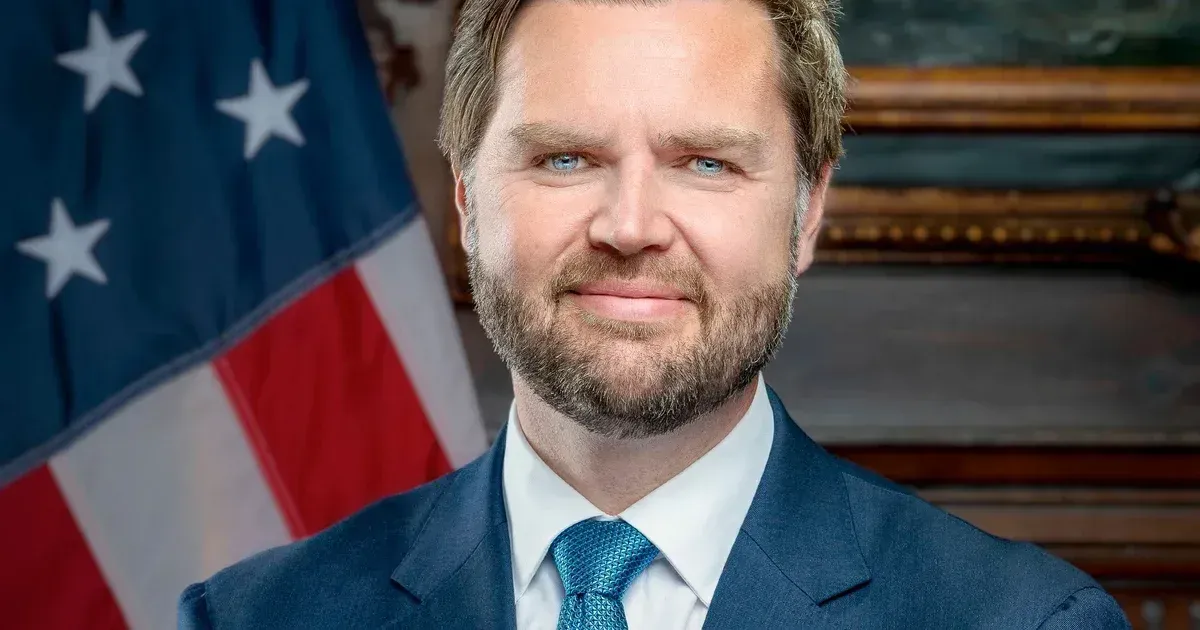
White House negotiators confirmed that the Trump administration is finalizing plans for a second round of direct, face-to-face discussions with senior Iranian leaders. Vice President JD Vance recently signaled that the initial phase of these talks yielded more progress than many observers anticipated. Diplomats described the planning on April 14, 2026. Success in the first round has prompted an urgent search for a neutral host city to enable the next stage of diplomacy. Intelligence officials and diplomatic aides are currently evaluating Islamabad and Geneva as the two most viable venues for the upcoming Thursday session.
Neutrality is the priority for both delegations. They seek to avoid the domestic political pressures that often accompany high-profile summits in Western capitals. Pakistan has historically been a quiet intermediary between Washington and Tehran, offering a discreet environment away from the intense media scrutiny of Europe. Switzerland, by contrast, provides the traditional framework of the Protecting Power role it has held for decades. The choice between a South Asian or European backdrop reflects deeper strategic considerations regarding regional influence and logistical security. Security protocols at both sites are currently undergoing rigorous assessment by the Secret Service and Iranian intelligence agencies.
Diplomatic Maneuvers in Islamabad and Geneva
Logistics for a meeting in Pakistan involve complex security arrangements and cooperation with the Pakistani Inter-Services Intelligence. Pakistani officials expressed readiness to host the delegations. They view the event as an opportunity to strengthen their own standing as a regional peacemaker. Geneva offers a different set of advantages, primarily its deep-rooted history of hosting Cold War-era summits and nuclear non-proliferation talks. A source familiar with the internal deliberations told CNN that the selection of the venue will likely be finalized within the next 48 hours. Thursday is the target date for the commencement of these discussions. The logistics are difficult; the political stakes are even higher.
Swiss diplomats have reportedly cleared their schedules to accommodate a potential last-minute arrival of the American and Iranian teams. Geneva provides a sovereign bubble that few other cities can replicate. Pakistani officials, meanwhile, have suggested that the Marriott in Islamabad could be cordoned off entirely for the duration of the summit. This logistical flexibility makes Pakistan a strong contender. Projections show that a South Asian venue might be more palatable to hardliners in the Iranian parliament. Direct flights between Tehran and Islamabad enable easier transport for the large Iranian clerical and military delegation.
JD Vance Confirms High-level Progress
White House officials are emphasizing that this level of engagement is historic in recent memory. Vice President Vance noted that the Islamabad meeting represented the first time the current Iranian leadership has engaged with U.S. officials at such a senior level. He provided a rare glimpse into the tone of the negotiations during a recent press briefing. Vance appears to be taking a lead role in the administration's foreign policy toward the Middle East. His presence at the negotiating table suggests that the White House views these talks as a top priority for national security. Analysts note that Vance's involvement also serves to reassure domestic skeptics of the administration's resolve.
“According to the vice president, this was the first U.S.-Iran meeting at such a high-level in the history of the current leadership of Iran.”
Critics of the administration argue that engaging with Tehran hardliners without firm preconditions could undermine American leverage in the region. Security analysts at the Atlantic Council suggest that the progress mentioned by Vance likely relates to maritime security in the Persian Gulf. A limited prisoner exchange may also be on the table. Despite the optimism expressed by the vice president, the Department of State remains cautious about the prospects for a thorough deal. Decades of hostility have built a wall of mistrust that a few meetings cannot dismantle. The Iranian delegation has yet to confirm which specific cabinet members will attend the Thursday session.
Iran Talks Need an Off-Ramp
History rarely rewards those who mistake a change in venue for a change in intent. The current rush toward a second round of talks in either Islamabad or Geneva carries the distinct scent of desperation from a White House looking for a foreign policy win before the next election cycle. While JD Vance touts progress, the reality is that the structural antagonisms between the United States and Iran are not resolved through high-level handshakes. Tehran understands the American political calendar better than most Washington pundits. It is playing a long game designed to extract maximum sanctions relief while surrendering the absolute minimum of their nuclear infrastructure.
The choice of Islamabad as a potential venue is particularly telling. It indicates a move away from the rules-based order of Geneva and into the murky waters of transactional regional politics. Pakistan is not a neutral arbiter; it is a state with its own crumbling economy and a desperate need for relevance. By entertaining Islamabad, the Trump administration is essentially outsourcing its diplomatic security to a nation with deep ties to the very proxy networks it claims to oppose. This is not a strategy. It is a gamble with incredibly high stakes.
Ultimately, these talks are likely a theatrical performance for domestic audiences in both countries. The Iranian leadership needs to show its starving population that it is working to end the sanctions. The White House needs to show voters that it is preventing a new war in the Middle East. Both sides are encouraged to keep talking, but neither is encouraged to actually reach a deal that would require genuine sacrifice. Expect a lot of joint statements and very little actual change in the centrifuges spinning in Natanz. Diplomacy is often just war by other means.