The 2026 World Cup roster battles are no longer theoretical. Before the tournament, managers argued over final squad places, half-fit stars, backup fullbacks, reserve forwards and whether to reward loyalty or form. By the time the tournament reached its final week, those choices had become evidence. France, Spain, England and Argentina formed the semi-final field, and Spain's win over France only sharpened the point: the teams that lasted were not only the teams with elite starters. They were the teams with enough layers to survive the format.
The 48-team World Cup gave more nations a stage, added a round of 32 and increased the burden on depth. That changed the meaning of a squad list. It was not a ceremonial reward for qualifying. It was an operating plan for heat, travel, injuries, suspensions, rotation and opponents with sharply different styles.
Expansion Made Depth More Valuable
The larger World Cup created more pathways into the knockout rounds, but it did not reduce the physical and tactical pressure on serious contenders. A squad that could handle one group-stage rhythm could still break when asked to play another opponent a few days later in a different city, climate or tactical register.
The added burden made the final names on a roster more important than usual. Backup defenders, second-choice midfielders and utility attackers were not just cover. They were the players who allowed managers to rotate without surrendering structure. In this format, weak benches became visible quickly.
The Hosts Showed Both Sides of the Problem
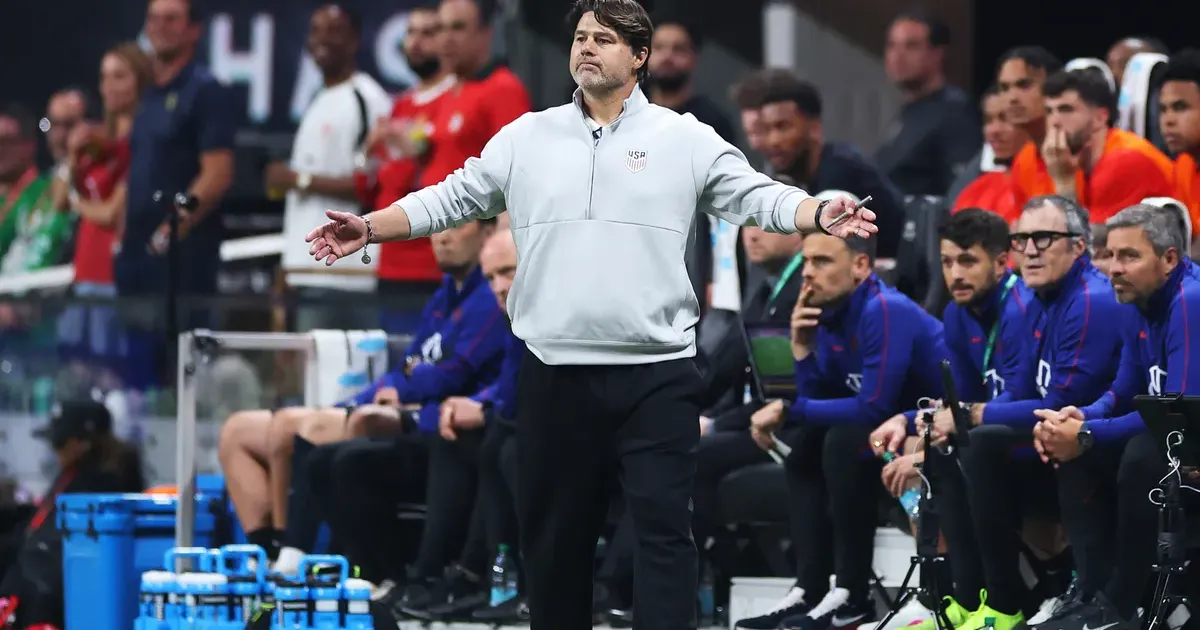
The United States began well, beating Paraguay and Australia, winning Group D and then defeating Bosnia and Herzegovina in the round of 32. That made Mauricio Pochettino's squad look deep enough to handle the first phase, especially when Christian Pulisic missed time and the group still functioned.
Then Belgium exposed the gap. The 4-1 round-of-16 loss turned earlier roster debates into a harder question: did the U.S. have enough elite-level control beyond its headline names? The answer looked mixed. Depth helped the hosts survive the group and win a knockout match for the first time since 2002. It did not give them the technical authority to handle the first major opponent that could punish every loose spell.
Fitness Calls Became Public Verdicts
Every World Cup squad contains a few medical gambles. A star nursing a muscle problem, a veteran short of minutes, a forward recovering rhythm or a defender trusted for experience rather than current form can all be justified on announcement day. The tournament decides whether that trust was judgment or sentiment.
This is why roster selection is often cruel. A player who helped a nation qualify may miss the squad. A player who looked like insurance may become essential. A half-fit star can carry a team for one match and damage the balance in the next. Managers are judged less by how reasonable the list looked in advance than by whether the list had answers when the first plan failed.
The Final Four Had More Than Stars
The semi-final lineup showed how much squad architecture matters. France, Spain, England and Argentina all arrived with names that could decide matches, but the bigger common factor was structure. They had role players who could protect leads, runners who could change tempo, substitutes who could alter shape and enough experience to manage long spells without panic.
Spain's 2-0 win over France turned that argument into a match result. It was not built only on attacking flair. It came from control, defensive reliability, fresh legs and the ability to make France's famous forward line spend too much of the night outside its most dangerous zones. Star power opened the door for the semi-finalists. Squad balance kept them standing long enough to walk through it.
Roster Calls Are Strategy, Not Sentiment
The expanded World Cup made roster calls more strategic, not less. More teams reached the event, more players received the chance to appear, and more managers could claim broader national representation. The knockout rounds stripped away that romance quickly.
A World Cup squad is a survival document. Managers who picked reputations over roles, or emotional stories over balance, paid for it once the tournament tightened. The flags were set when qualification ended. The real selection test came later, when one injury, one tired fullback, one missing passer or one unavailable finisher changed a country's ceiling. In this format, depth was not decoration. It was the line between a good month and an exit that will be argued about for four years.