Ukraine is watching the Middle East crisis through the lens of weapons, money and attention. The warning is also a test of Western capacity. Volodymyr Zelensky stated on April 5, 2026, that a protracted war between the United States and Iran threatens to exhaust the military resources required for the survival of Ukraine. Kyiv is currently observing a rapid reallocation of American logistical focus toward the Middle East as the Pentagon prioritizes the security of the Persian Gulf. Ukrainian intelligence reports indicate that several shipments of air defense munitions, originally destined for the 1st Separate Tank Brigade, have been rerouted to US Naval forces operating near the Arabian Peninsula.
These delays occur at a moment when Russian forces are intensifying their offensive operations across the Donbas region. Kyiv officials fear that a second major conflict involving American forces will inevitably deplete the finite stockpiles of interceptor missiles and 155mm artillery shells. Prolonged engagement in a regional war with Tehran would force Washington to choose between its commitments in Eastern Europe and its historical security role in the oil-rich Gulf. Domestic political pressure in Washington already favors immediate intervention to stabilize global energy prices over the long-term project of restoring Ukrainian territorial integrity. Zelensky expressed these concerns during an interview where he highlighted the fragile nature of Western coalition support. Foreign aid packages once considered guaranteed are now subject to intense scrutiny as US lawmakers weigh the costs of a multi-theater security strategy. Ukrainian diplomats in London and Washington report a noticeable change in the tone of bilateral discussions regarding future military hardware transfers. Military analysts argue that the industrial base of the United States lacks the capacity to supply two high-intensity conflicts simultaneously.
Production lines for Patriot systems and HIMARS rockets are already operating at maximum capacity, leaving little room for sudden surges in demand. Defense contractors cite shortages in critical components as the primary bottleneck preventing a rapid expansion of output. Stocks of high-precision munitions are falling faster than they can be replenished by current manufacturing cycles.
Aid Competition Becomes the Warning
Washington has historically maintained a two-war doctrine, yet the current reality of defense manufacturing suggests this policy is no longer tenable. Senior officials within the Volodymyr Zelensky administration are sounding the alarm about the potential for a total cessation of heavy equipment deliveries. While Bloomberg suggests that the Pentagon maintains a separate stockpile for Middle Eastern contingencies, Reuters sources claim that the actual overlap in critical components is much higher than publicly admitted. Electronic sensors used in Ukrainian drones share the same supply-chain as those used in American naval surveillance aircraft. Competition for these parts will likely drive up costs and extend delivery timelines for Kyiv. The diversion of diplomatic capital is equally concerning for the Ukrainian leadership. High-level meetings previously dedicated to the reconstruction of Kharkiv are now dominated by discussions of Iranian ballistic missile capabilities and the safety of commercial shipping. Global attention spans are notoriously short, and the escalation in the Middle East has pushed the Russo-Ukrainian war off the front pages of major Western newspapers.
Military aid fatigue was already a mounting concern in the halls of Congress before the first missiles were fired at Iranian infrastructure. Opponents of continued Ukrainian funding are using the Middle Eastern crisis to argue for a more isolationist or focused foreign policy. Financial markets are reacting to the uncertainty by pricing in a long-term reduction in American overseas spending. The prospect of a global recession triggered by high energy costs makes the $11 billion requested in the latest Ukrainian supplemental aid package look increasingly vulnerable.
Budget hawks in the US Senate are demanding a prioritization of domestic needs and immediate military threats over the preservation of the post-Cold War order in Europe. Ukrainian officials recognize that if the American public perceives the Iran war as a direct threat to their gas prices, the political will to support Kyiv will evaporate.
Energy Costs Feed the Pressure
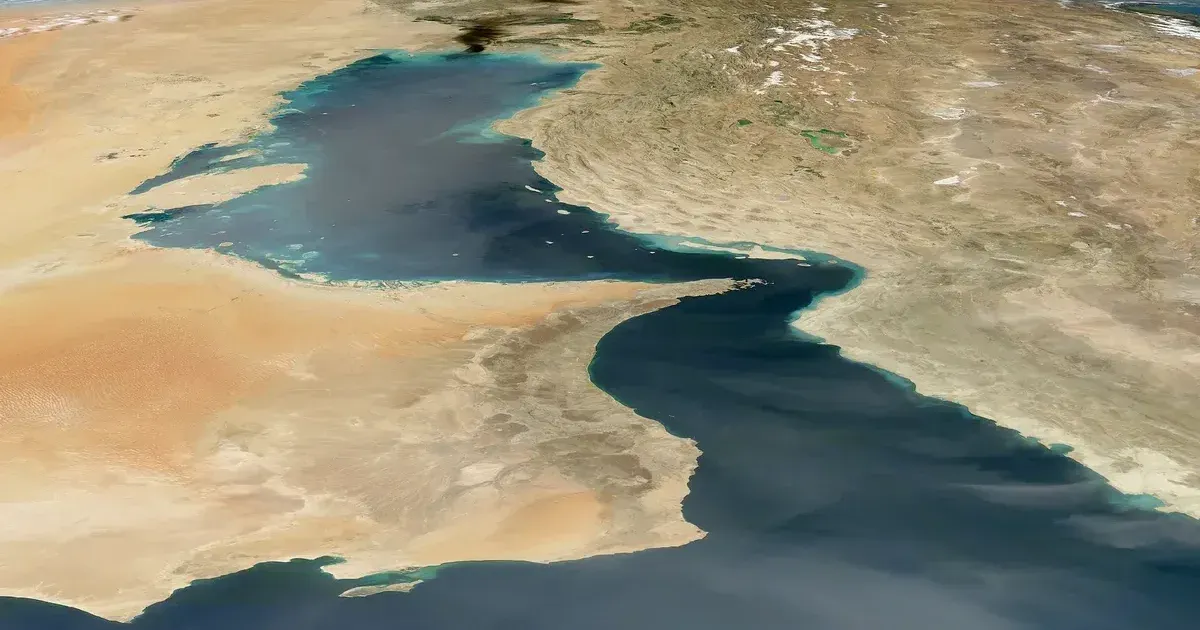
Disruptions in the Strait of Hormuz have jolted through the global economy, directly impacting the financial stability of the nations supporting Ukraine. This waterway handles more than 25 percent of the world's seaborne oil trade and approximately one-fifth of global liquefied natural gas shipments. Tanker traffic has faced extreme risks for over a month, leading to a surge in maritime insurance premiums that has made shipping prohibitively expensive. Many international carriers have suspended operations in the region entirely until security guarantees can be established. Major energy importers in Europe and Asia are scrambling to find alternative suppliers to prevent industrial shutdowns. The reliance on this single choke point exposes the vulnerability of the global energy architecture to regional military flare-ups. Unlike the land war in Ukraine, a naval conflict in the Gulf affects every major economy through immediate price spikes at the pump. Western leaders are finding it difficult to maintain public support for foreign interventions when domestic inflation is being driven by geopolitical instability.
Gulf oil exporters are desperately seeking alternative routes to bypass the volatile maritime passage. Saudi Arabia and the United Arab Emirates have accelerated efforts to secure land-based infrastructure to maintain their export volumes. The East-West pipeline in Saudi Arabia, which stretches 1,200 kilometers to the Red Sea port of Yanbu, is currently operating at near full capacity. Originally built during the Iran-Iraq War, the pipeline is a critical safety valve for the kingdom. Market estimates suggest it is currently transporting up to 7 million barrels per day.
These efforts represent a huge logistical undertaking aimed at decoupling global energy markets from the security situation in the Strait of Hormuz. Failure to secure these alternative routes would lead to a catastrophic collapse in global energy supply. The UAE is also using its Abu Dhabi Crude Oil Pipeline to link inland fields directly to the Port of Fujairah on the Gulf of Oman.
Pipeline Alternatives Have Limits
Diversion of oil flows through land pipelines offers a temporary reprieve but cannot fully replace the volume handled by the Strait of Hormuz. Saudi Aramco has confirmed that while the East-West pipeline is functional, it cannot accommodate the total export requirements of all regional partners.
CEO Amin Nasser recently addressed the limitations of the current infrastructure in a press briefing. The pipeline remains the kingdom's only viable alternative export route under current conditions, noting that crude shipments are being redirected to meet contractual obligations. Middle Eastern producers are prioritizing existing contracts with Asian refineries, leaving European markets to compete for dwindling Atlantic basin supplies. This competition drives up the cost of diesel and jet fuel across the European Union. High fuel prices directly increase the cost of transporting military aid from Polish logistics hubs to the Ukrainian border.
The logistics of the war in Europe are becoming increasingly expensive just as the available funding is being cut.
Abu Dhabi has invested heavily in the Fujairah export terminal to reduce the risks associated with the Strait of Hormuz. The 420-kilometer pipeline has a rated capacity of 1.5 million barrels per day, which provides a serious but insufficient buffer against a total blockade. Iraq is also exploring options to increase its northern export capacity through Turkey, although political tensions in that region complicate the process. The sudden shift in regional energy logistics requires billions of dollars in new infrastructure investment. Private investors are hesitant to commit capital to these projects given the high risk of further military escalation. Governments are being forced to nationalize or subsidize these energy transit projects to ensure national security. The economic burden of these subsidies reduces the amount of capital available for international development and security assistance programs.
Food Security Adds Another Risk
Fertilizer production is the next domino to fall in the global stability crisis. Natural gas is the primary feedstock for nitrogen-based fertilizers, and 20 percent of global gas shipments pass through the Persian Gulf. A blockade of the Strait of Hormuz creates an immediate shortage of the raw materials needed for industrial agriculture. Experts warn of a food security time bomb that could detonate within the next growing season. If fertilizer prices continue to climb, farmers in developing nations will be unable to afford the inputs required for high-yield crops.
This scenario would lead to widespread crop failures and potential famines in regions already suffering from political instability. Ukraine, often called the breadbasket of the world, is already struggling to maintain its own agricultural exports due to the Russian naval blockade in the Black Sea.
Agricultural yield forecasts for the coming year are being revised downward by every major international monitoring agency. Reduced Ukrainian grain exports and more expensive global fertilizer create a dangerous wave of food price inflation. Low-income households in the West are already feeling the impact of rising bread and meat prices. Public discontent is growing, and governments are facing pressure to prioritize domestic food affordability over foreign military aid. The geopolitical consequences of a global food crisis would be far-reaching and unpredictable.
Riots and civil unrest have historically followed sharp increases in food prices in the Middle East and North Africa. The instability would draw even more American military resources into the region, further isolating Ukraine. Stability in the global food chain depends entirely on the free flow of energy through the Persian Gulf waterway.